








1. Glaze-Rim Close-Up (The Chip-Proof Test)
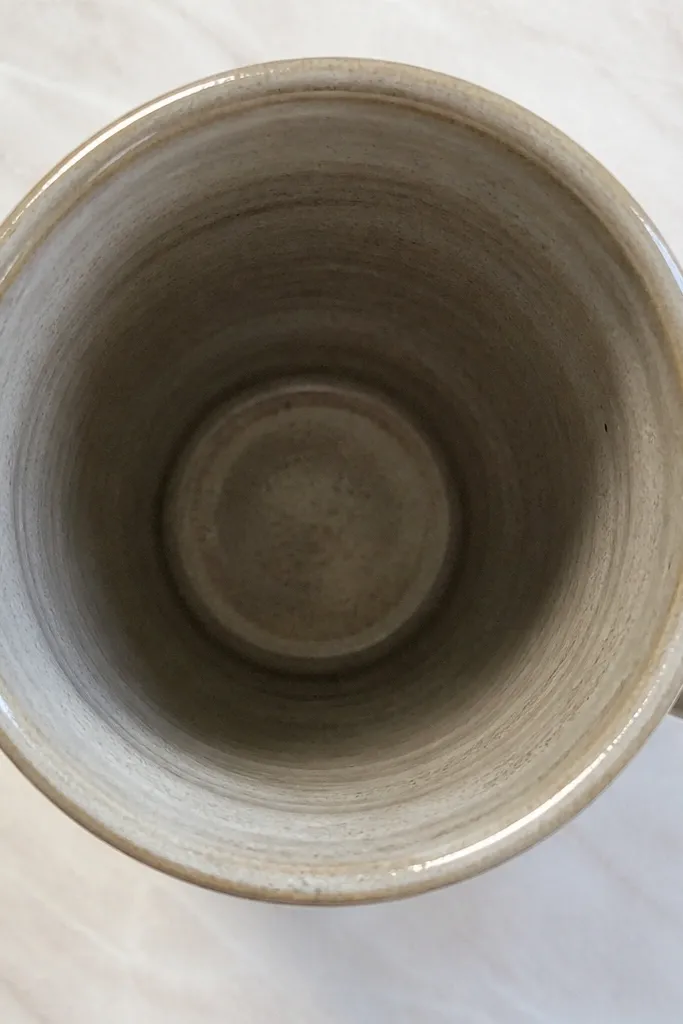
This look highlights where handmade mugs often win: the rim finish. A well-fired glaze creates a sealed edge that’s less likely to catch a chip from a spoon or countertop drop. You can also see whether the rim is uneven, which is a common mass-production flaw.
When you buy or make one, run your finger around the rim — if it feels sharp or gritty, skip it or sand/refine before glazing.
2. Handle Attachment Marks (Strength You Can See)
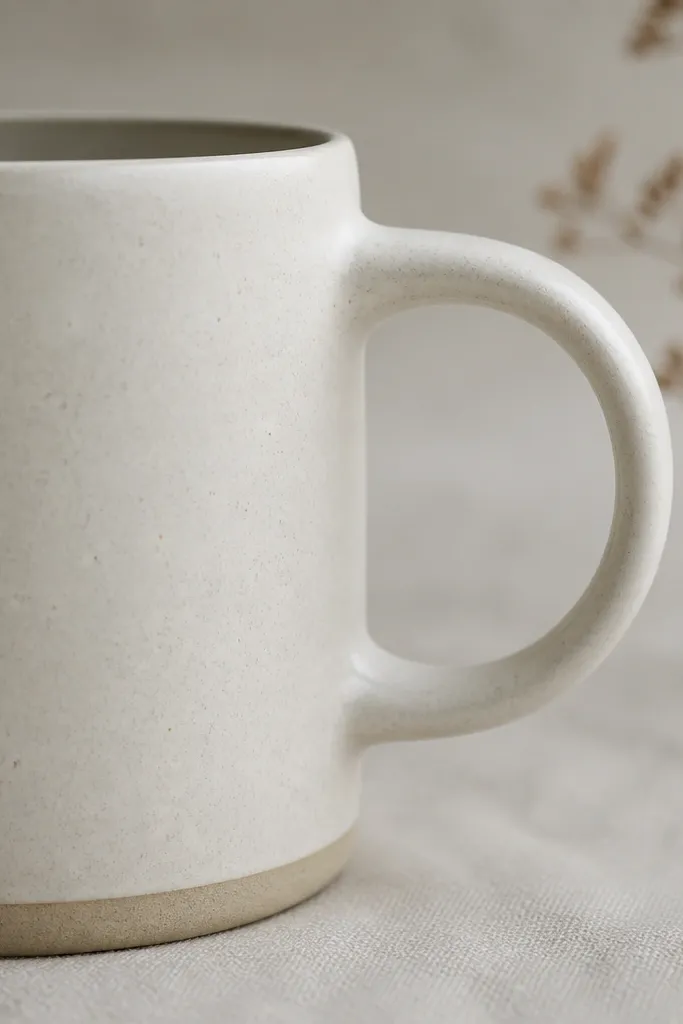
Handle attachment is the first failure point for store-bought mugs. Handmade mugs often show a cleaner join because the maker can blend and support the attachment during forming. If there’s a visible gap or a thin ring of glaze at the join, stress cracks are more likely.
Good to knowFor DIY mugs, use a slip-and-score join (or manufacturer-recommended method for your clay) and let it dry evenly before firing.
3. Under-Glaze Color Shift (Why Handmade Looks Deeper)
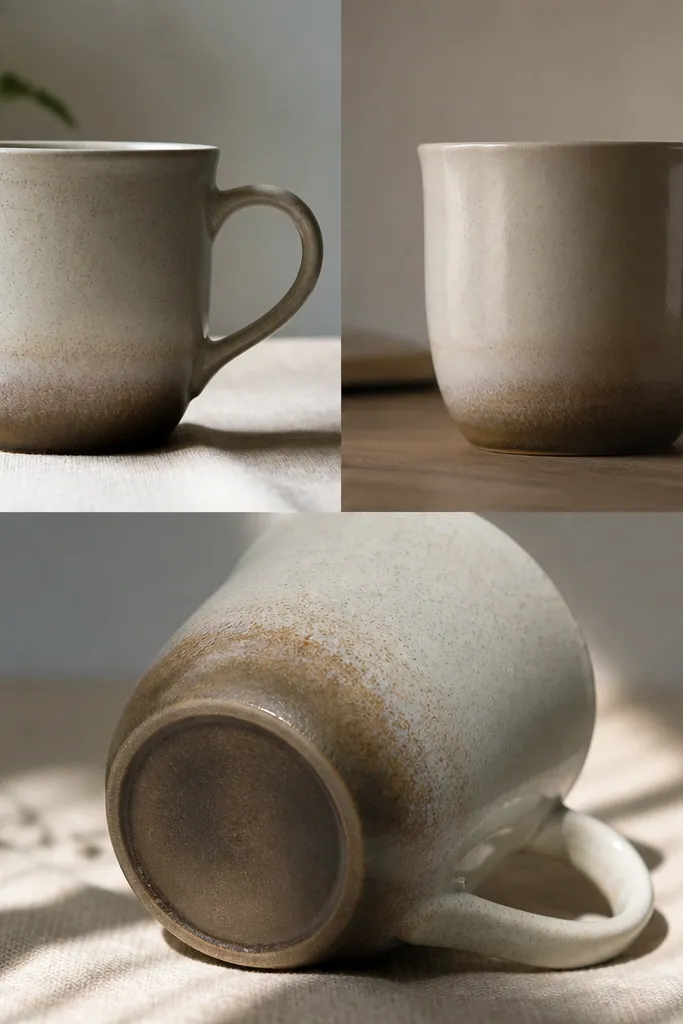
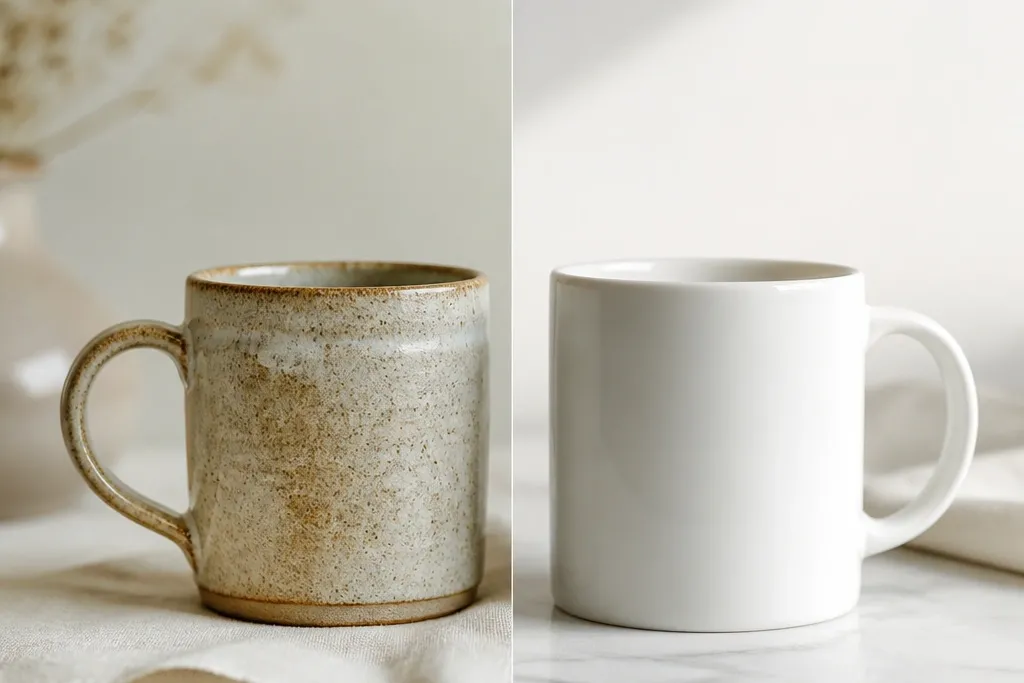
Handmade mugs often have depth because under-glaze layers can pool and react during firing. That means you get subtle variation — like tiny speckles or tonal gradients — instead of a flat factory print. This is one reason handmade feels more “yours” even with simple color palettes.
Good to knowIf you’re choosing colors, test on small tiles first — the same glaze can shift dramatically depending on clay body and firing temperature.
4. Food-Safe Transfer vs Hand-Painted Detail

Store-bought mugs frequently rely on decals or transfers. Handmade mugs can be hand-painted with ceramic-safe paint, then sealed under glaze or topcoat for durability. The difference shows up in texture: brushwork wears differently than printed film.
If you use decals, confirm they’re rated for ceramic food-contact and sealed with a compatible clear glaze/topcoat.
5. Weight Test: Countertop Stability Shot

Heavier mugs don’t always mean better, but weight often correlates with thicker walls. Handmade mugs can be made with thicker sections where heat stress hits — like around the handle and base. Thicker walls help reduce the “ping” of thin ceramics and can improve chip resistance at the rim and foot.
If you’re comparing at a store, pick up two similar sizes — the heavier one with a smoother rim finish usually lasts longer.
6. Base Foot Ring (How to Spot Quality Firing)
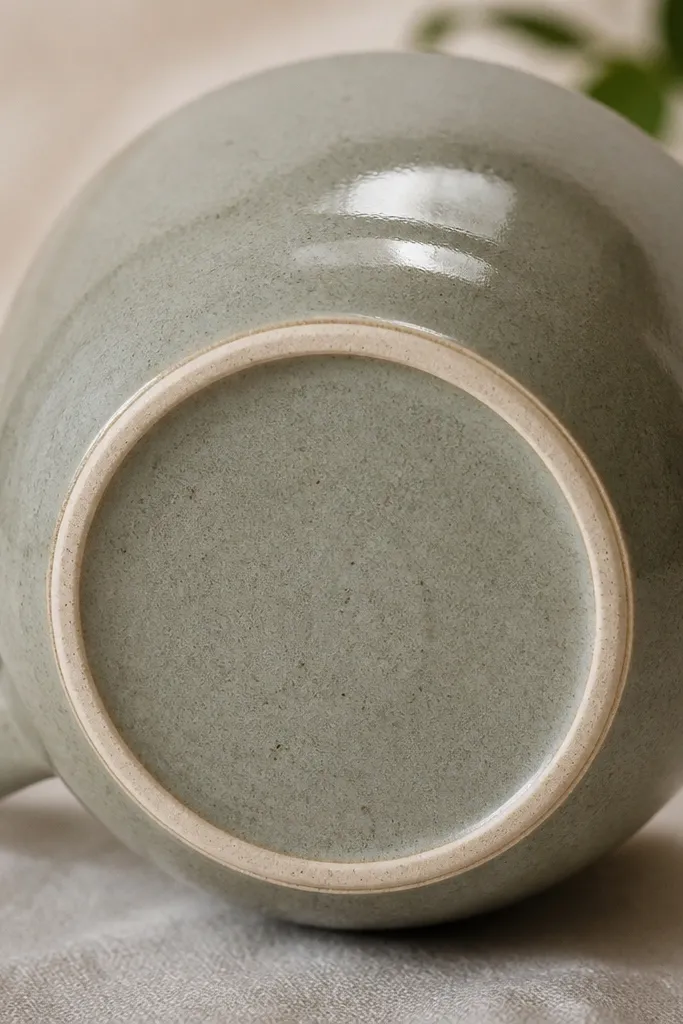
The bottom tells on the firing quality. A clean foot ring (where glaze stops) helps prevent sticking and reduces random glaze defects. Handmade makers often take extra care here, especially when aiming for a smooth, stable base.
Good to knowLook for a tidy, centered foot ring — drips and jagged edges are often a sign of rushed glazing.
7. Dishwasher Reality Check (What “Dishwasher Safe” Really Means)
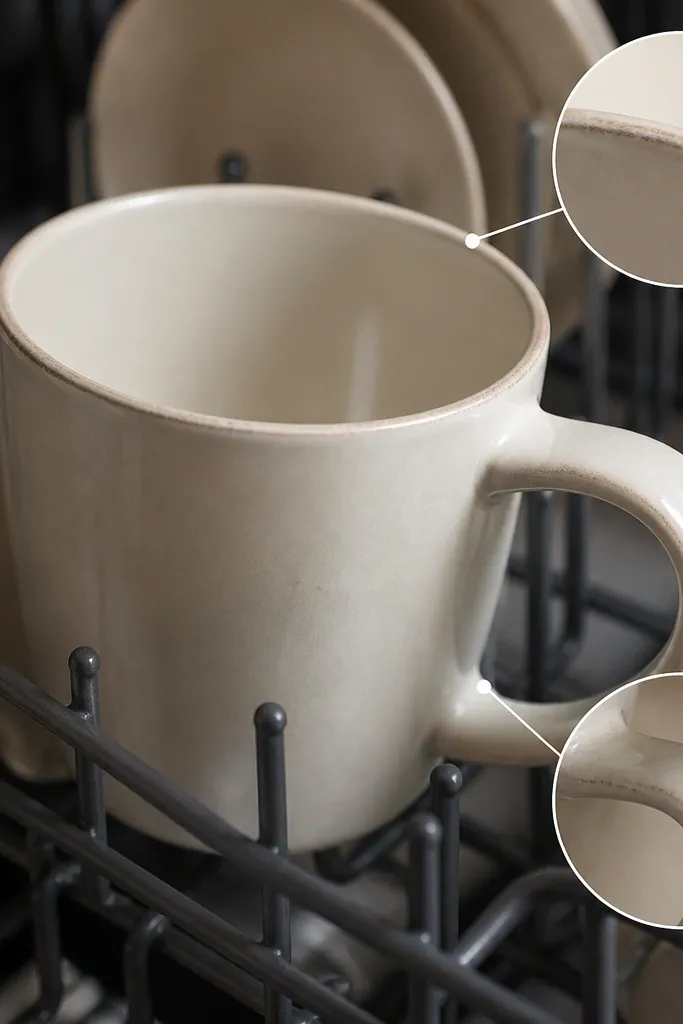
Some store-bought mugs survive dishwashers, but many “dishwasher safe” claims assume gentle cycles and no thermal shock. Handmade glazes vary — some are truly dishwasher-safe, others degrade faster with repeated hot water and detergent. The rim and painted areas are usually where you’ll notice wear first.
Good to knowIf you want longevity, hand-wash for the first 2-4 weeks, then decide whether you can switch to dishwasher without visible fading or micro-chips.
8. Upcycled Mug Makeover: Covering Scratches Without Bulking
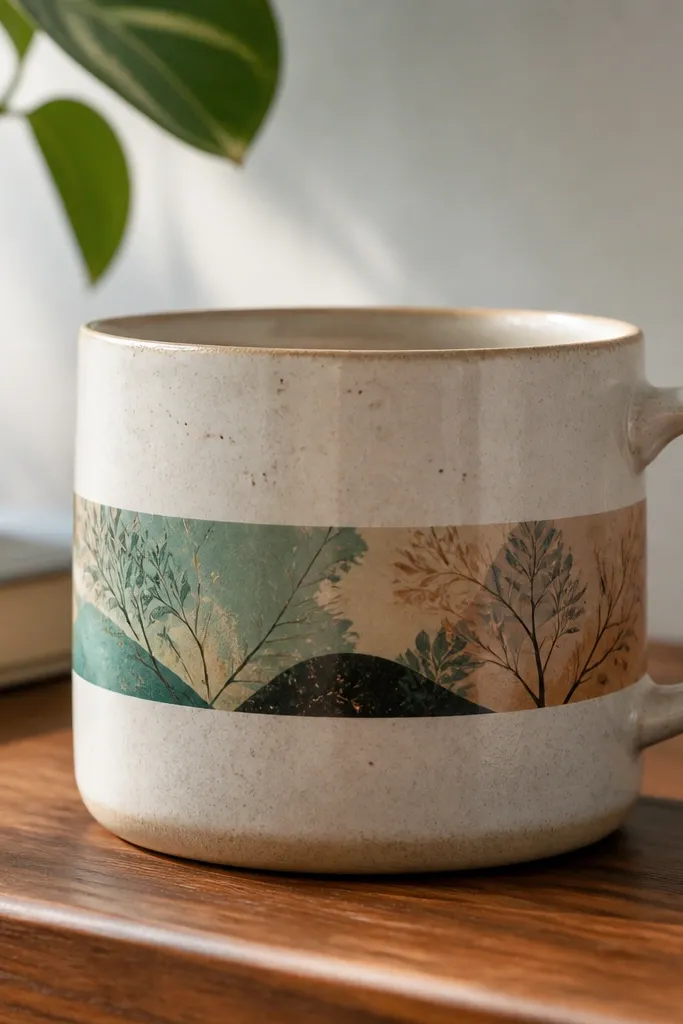
Upcycling shines when you cover damage carefully. Using a ceramic-safe clear coat or a compatible glaze layer can hide fine scratches while keeping the mug comfortable to hold. The goal is to restore the surface without adding a chunky edge that can snag or feel awkward.
Good to knowBefore sealing, smooth the damaged spot lightly (ceramic-safe sanding) and wipe with isopropyl alcohol so the topcoat bonds evenly.
9. Thermal Shock Test Setup (Hot Then Cold)

Thermal shock is a silent killer for both handmade and store mugs. If you pour boiling coffee into a mug that’s been sitting cold, hairline stress can form — especially around the handle and rim. Handmade pieces with better firing and thicker walls handle temperature swings better, but you still want to avoid extreme transitions.
Good to knowWarm the mug with hot water for 30-60 seconds before adding boiling liquids, especially if it’s newly glazed.
10. Caffeine Comfort Grip (Why Handle Shape Matters)

“Worth it” isn’t just durability — it’s how the mug feels every day. Handmade mugs often have handle ergonomics dialed in, like a comfortable clearance for fingers and a balanced angle so the mug doesn’t twist in your hand. Store mugs can feel fine at first, then become annoying during long coffee sessions.
Good to knowWhen choosing a handmade mug, do a quick grip test — if your pinky hangs off or your wrist twists, it’ll annoy you long-term.