




1. Gold Coin Frame With a “Savings First” Caption
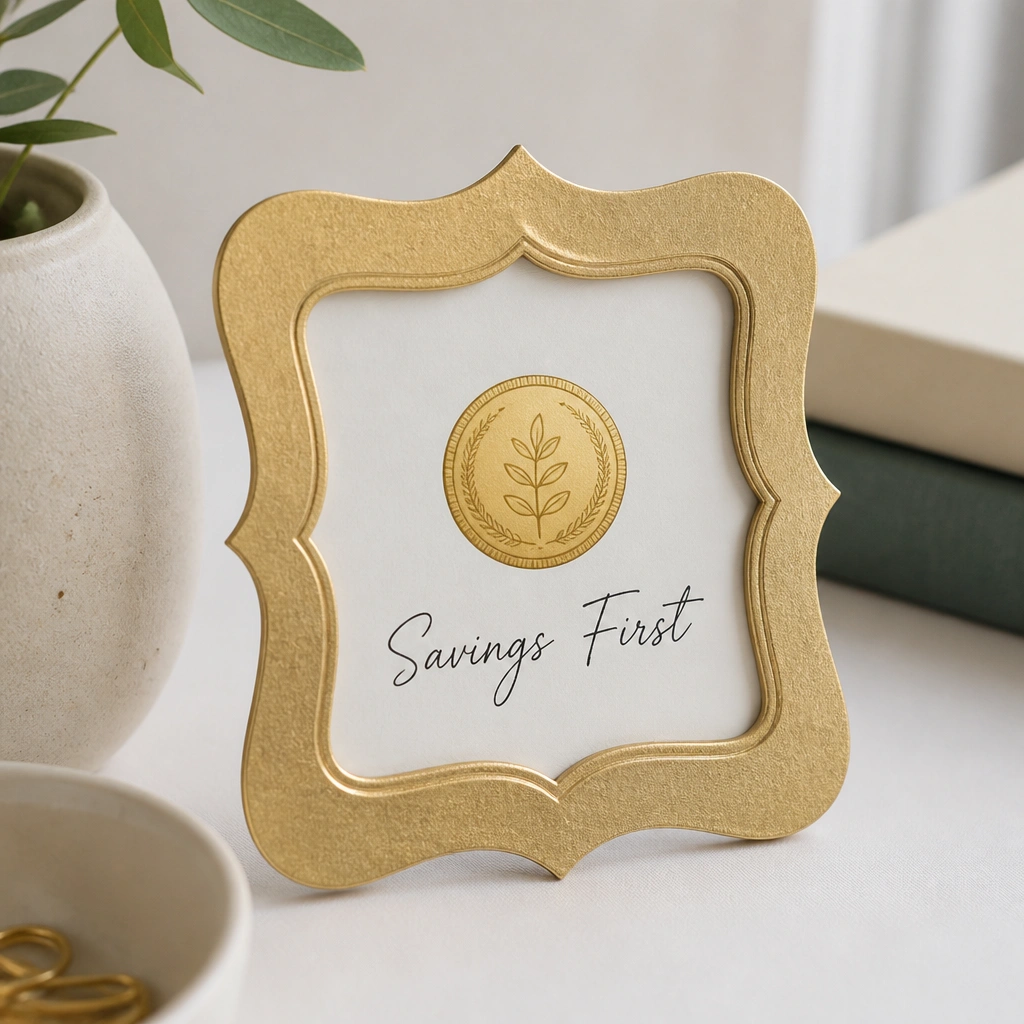
Cut a rectangle frame from thick cardstock and back it with a patterned paper that has tiny dots (to mimic “sparkle”). Add a gold coin graphic (print or trace) and use a metallic gel pen to write “Savings First.” This works because it anchors your money goal to one daily behavior instead of a vague wish.
Good to knowWrite your caption on a separate strip of paper so you can swap it when your savings goal changes.
2. Debt Payoff Timeline Strip (Month-by-Month Glow-Up)
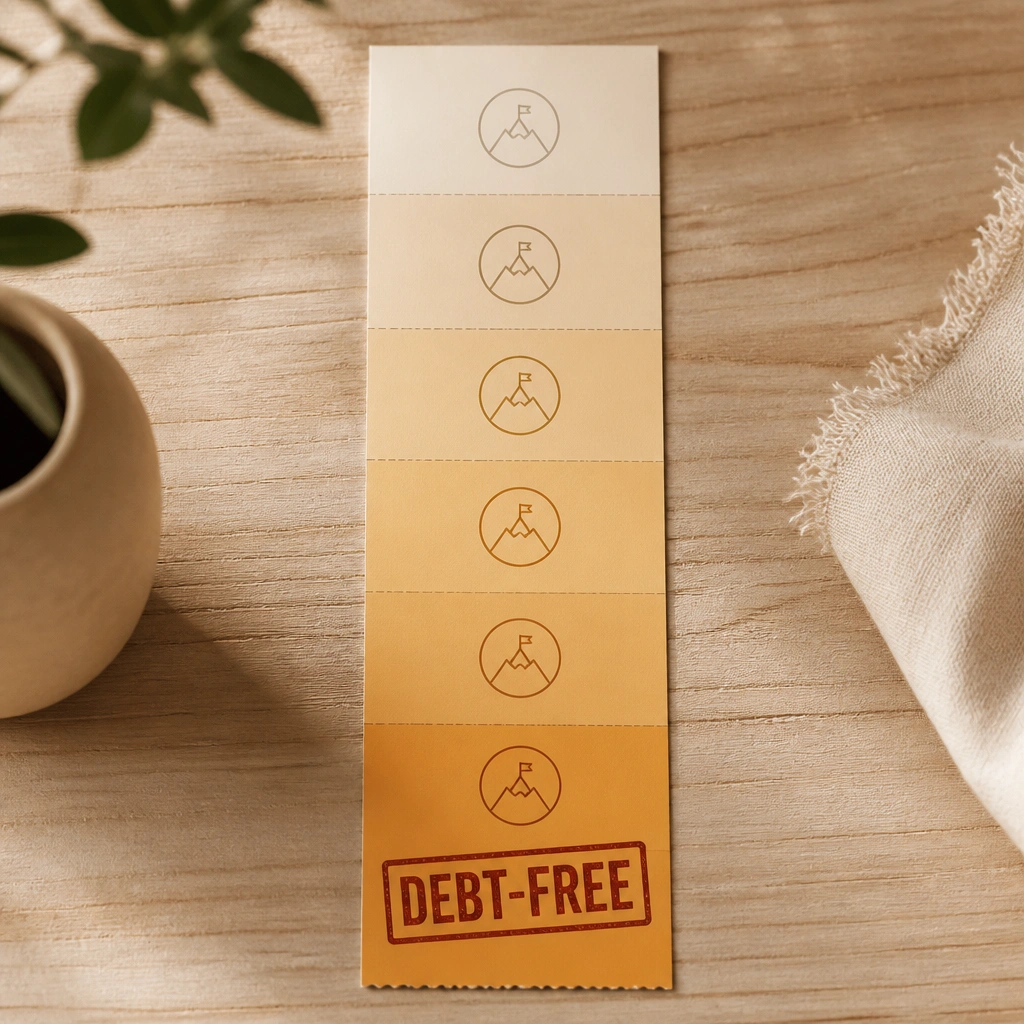
Use a long strip of paper or washi tape-backed cardstock, then divide it into 6-12 sections. Color each section with a gradient (cream to gold to caramel) and label one small milestone per section, like “$50 paid” or “Card balance down.” The visual countdown makes progress feel tangible.
Good to knowPick one number you can hit this month and write it on the first segment — your brain trusts specifics.
3. Dream Income Skyline (Job Title + “Regular Pay” Icons)
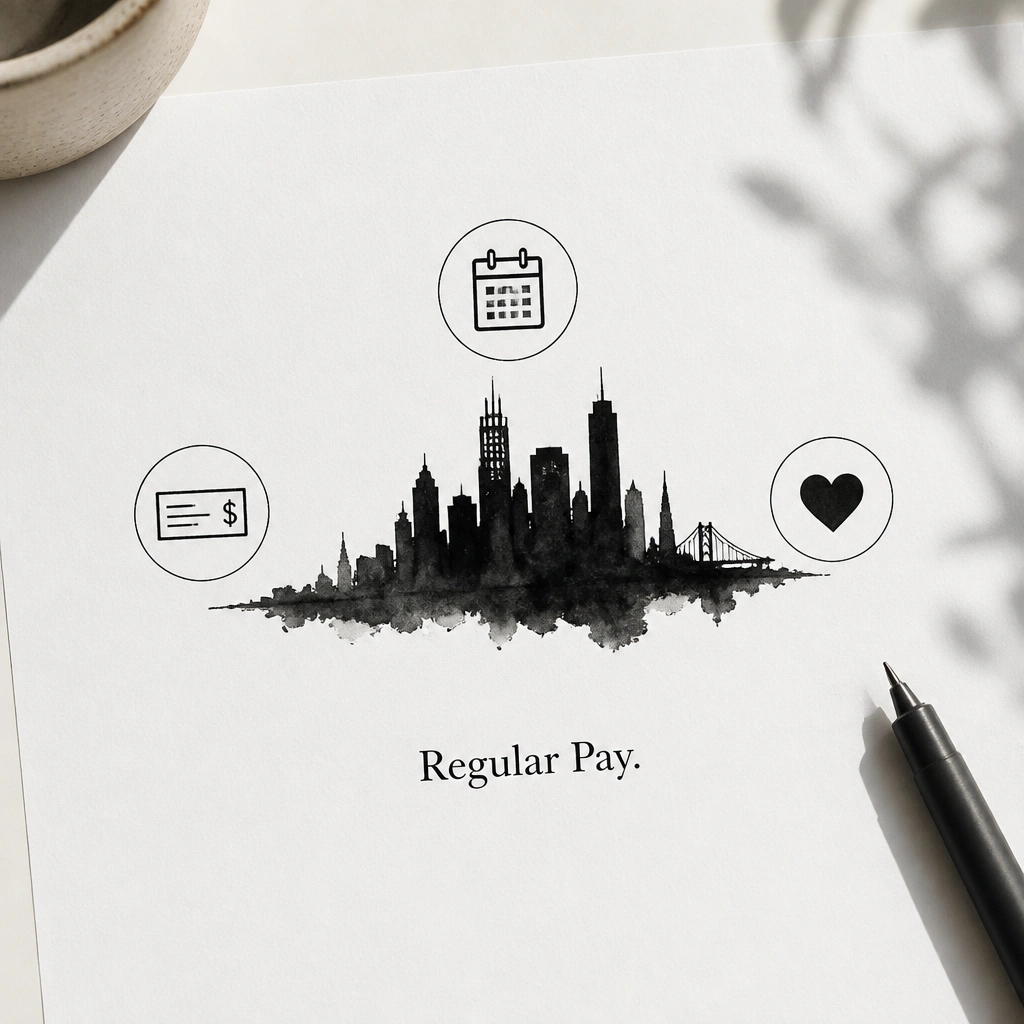
Print a skyline silhouette or draw one with a fineliner. Surround it with three small icons in a consistent style (line icons or stamp icons). Add a typed label like “Regular Pay” or “Steady Income” using a simple sans-serif font. This idea supports abundance by reinforcing consistency and predictability.
Good to knowKeep the color palette to black, cream, and one accent (gold or terracotta) so it looks luxe, not cluttered.
4. “Choose Your Spend” Color-Coded Budget Squares

Create a grid on a piece of cardstock using a ruler for straight lines. Assign each category a color (example: Needs in sage, Savings in gold, Fun in blush, Investing in deep teal). Add tiny icons in each square — a house for needs, a piggy bank for savings, a movie ticket for fun. This turns money vision board pictures into money decisions you can practice.
Use painter’s tape to mask edges while you paint or ink the squares for crisp lines.
5. Receipt-to-Resolution Collage (Realistic Paper Texture)
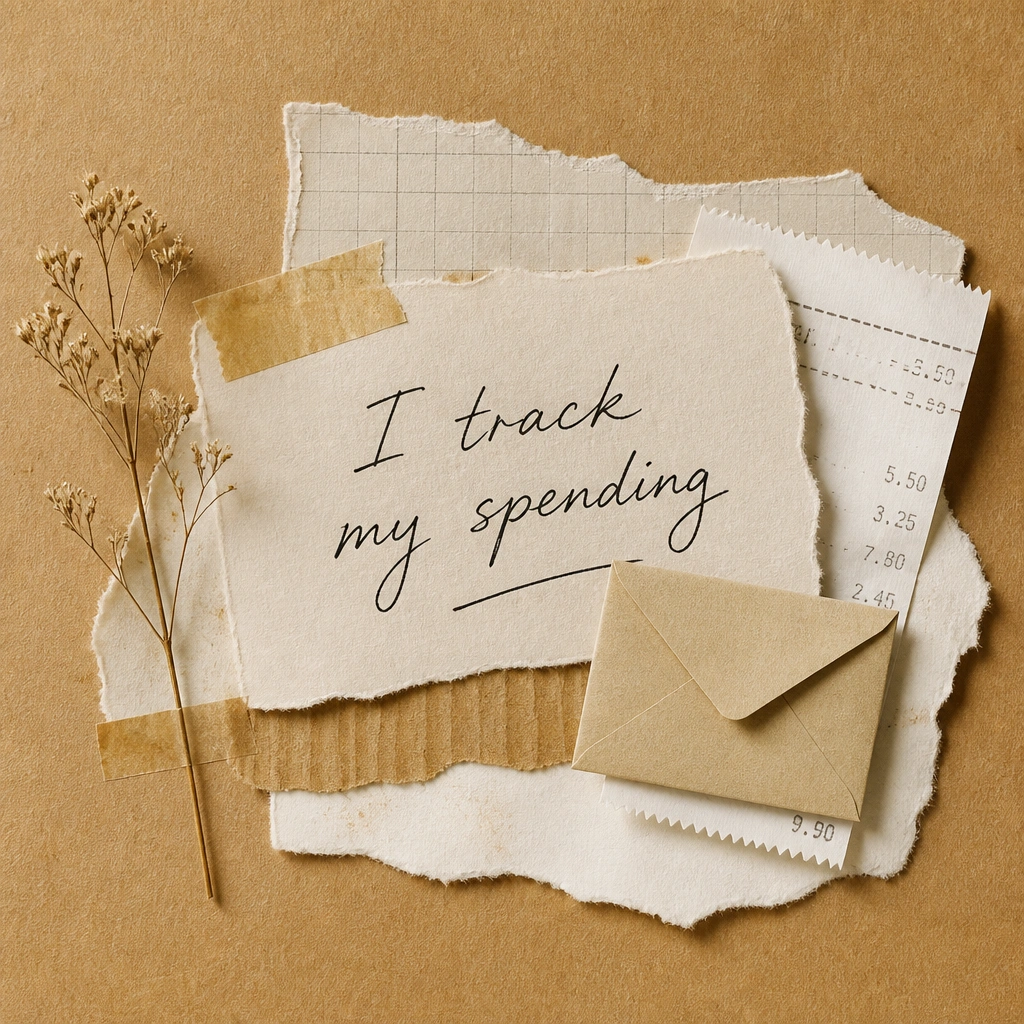
Layer torn receipt strips (or print receipt-like paper) behind a clean focal quote. Add a small envelope icon labeled “Auto-pay” or “Bills on time.” Finish with a soft paper doily or thin lace strip at the edge for an elevated look. This works because it honors the messy reality of money and converts it into a calm system.
Good to knowUse a matte glue stick and press each layer under a heavy book for 30 minutes to prevent warping.
6. Abundance Jar With Mini “Goal Notes”
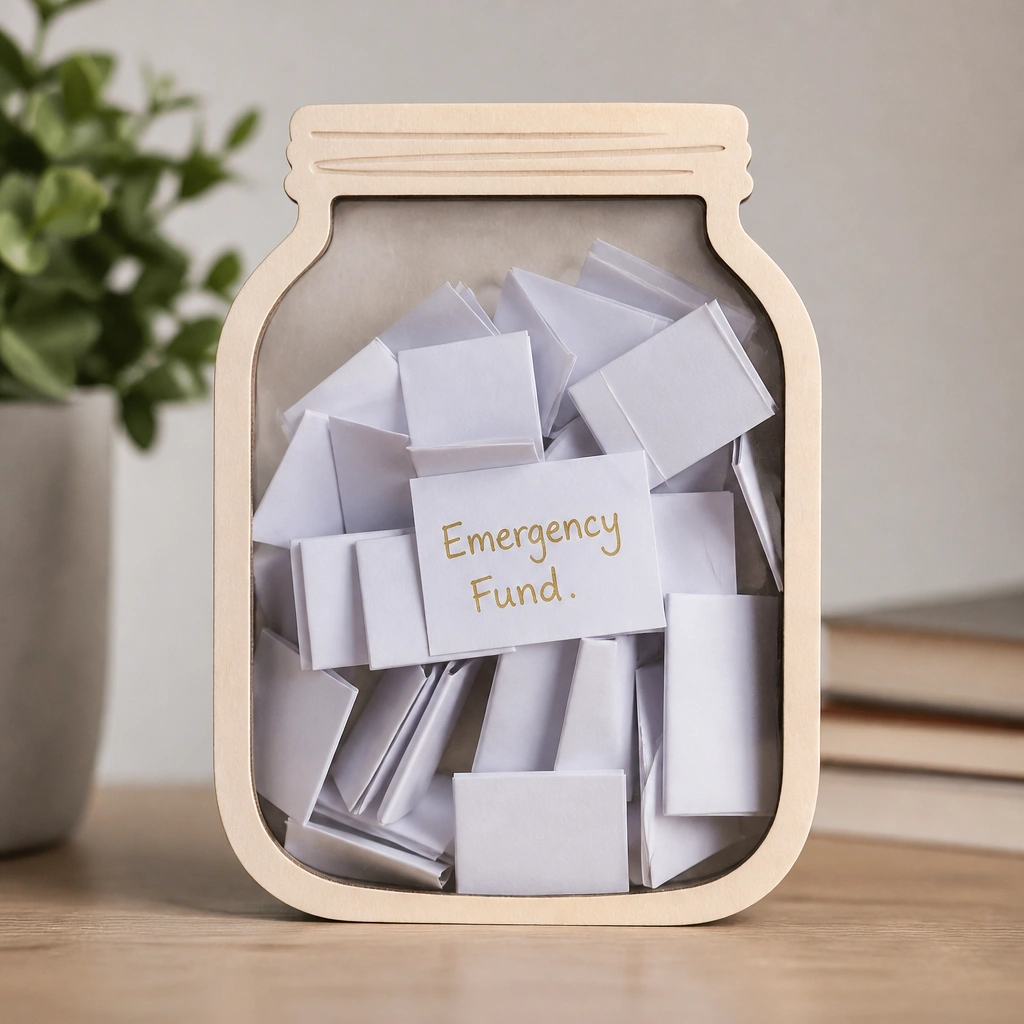
Draw or print a jar outline, then glue tiny folded note strips inside. Write 5-7 short goals on the notes (examples: “$25 weekly savings,” “Pay down $100,” “No impulse buys today”). Add a gold ribbon around the jar top. The jar format makes your money goals feel safe and collectible.
Good to knowFold notes with a small paper cutter or the edge of a credit card for consistent size.
7. Weekly Money Ritual Cards (3 Cards, 1 Repeatable Habit)
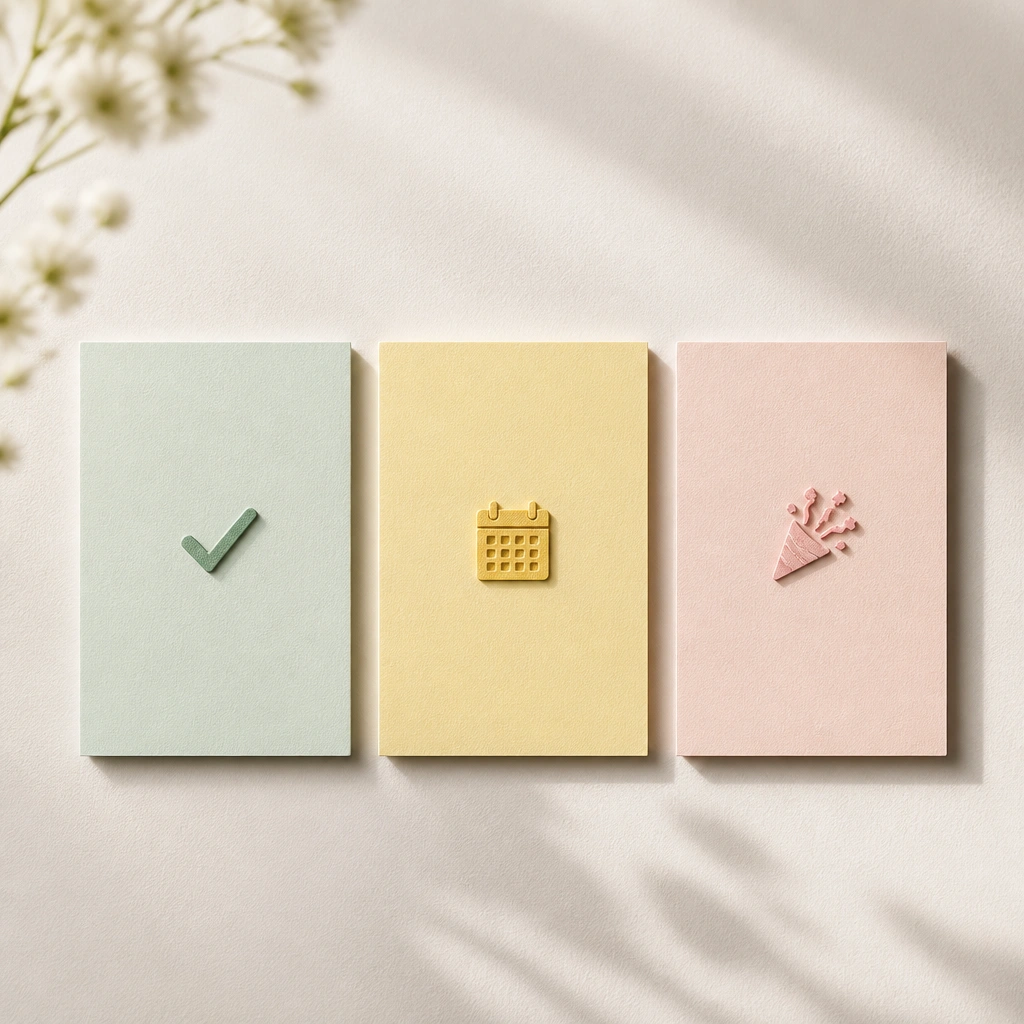
Make three mini cards and attach them with brads or tape so they look like a set. Choose icons that match the action: a magnifying glass for check, a planner for plan, and a sparkle for celebrate. This idea is aesthetic but also functional — it’s a weekly reminder to do the money behaviors that create abundance.
Good to knowLaminate the cards with clear tape (or use a laminating sheet) so you can wipe off smudges.
8. Minimal Luxury Spending List (Want-List, Not Wish-List)
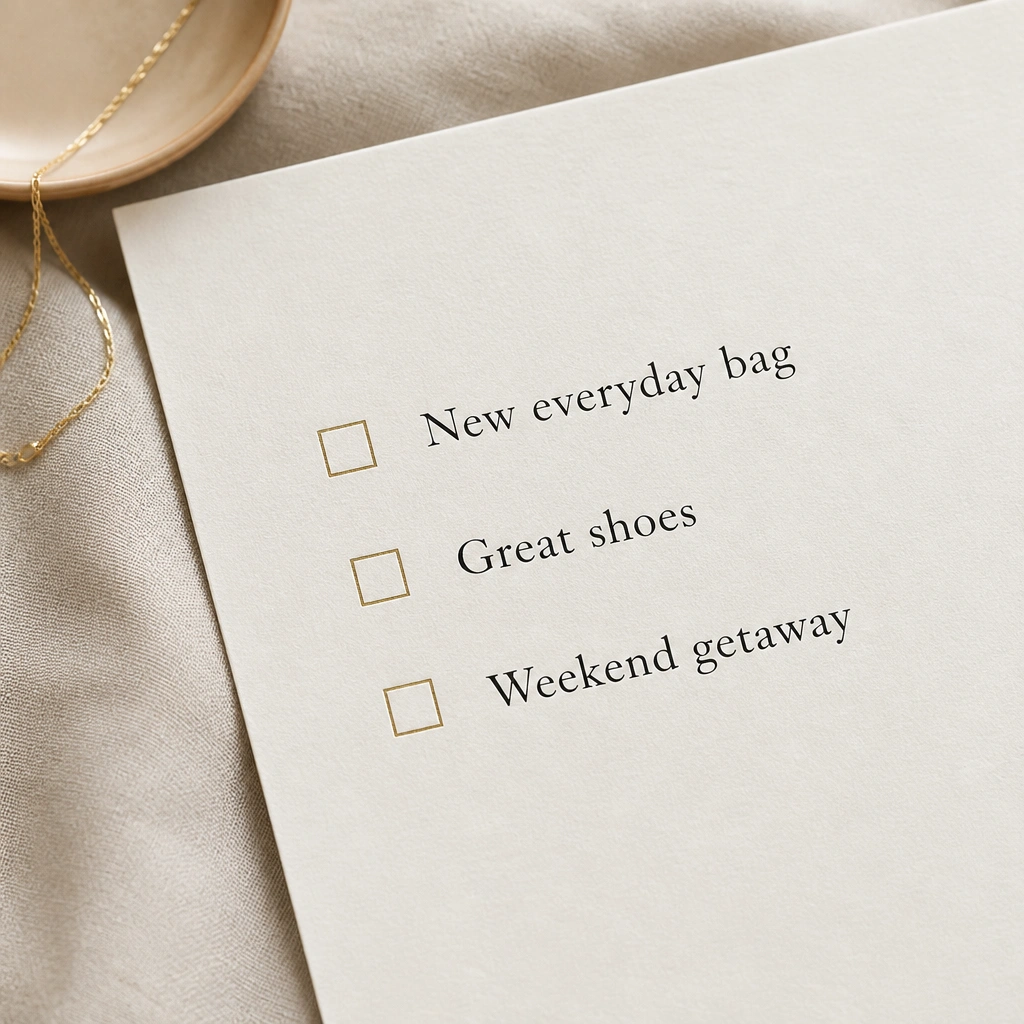
Type a short “want list” with three items max. Add gold checkbox squares next to each line and circle the one you’re saving for. Pair it with a tiny cutout photo or icon (like a bag silhouette) to keep it visually appealing. This avoids the common problem where money boards feel like fantasies without a plan.
Good to knowUnder the list, add a “Save by” date in small handwriting to force clarity.
9. Nature + Prosperity Color Blend (Teal, Sand, Warm Gold)

Use a watercolor wash or printed gradient paper in teal and sand tones, then add one gold leaf sticker or gold paint fleck. Keep the text minimal, centered, and readable. Nature colors tend to feel calming and grounded, which helps when you’re building a consistent money habit.
Good to knowAdd texture by dabbing a sponge lightly around the edges for a handmade, high-end look.
10. Ticket Stub Cash Tracker (Fun, Not Fear)
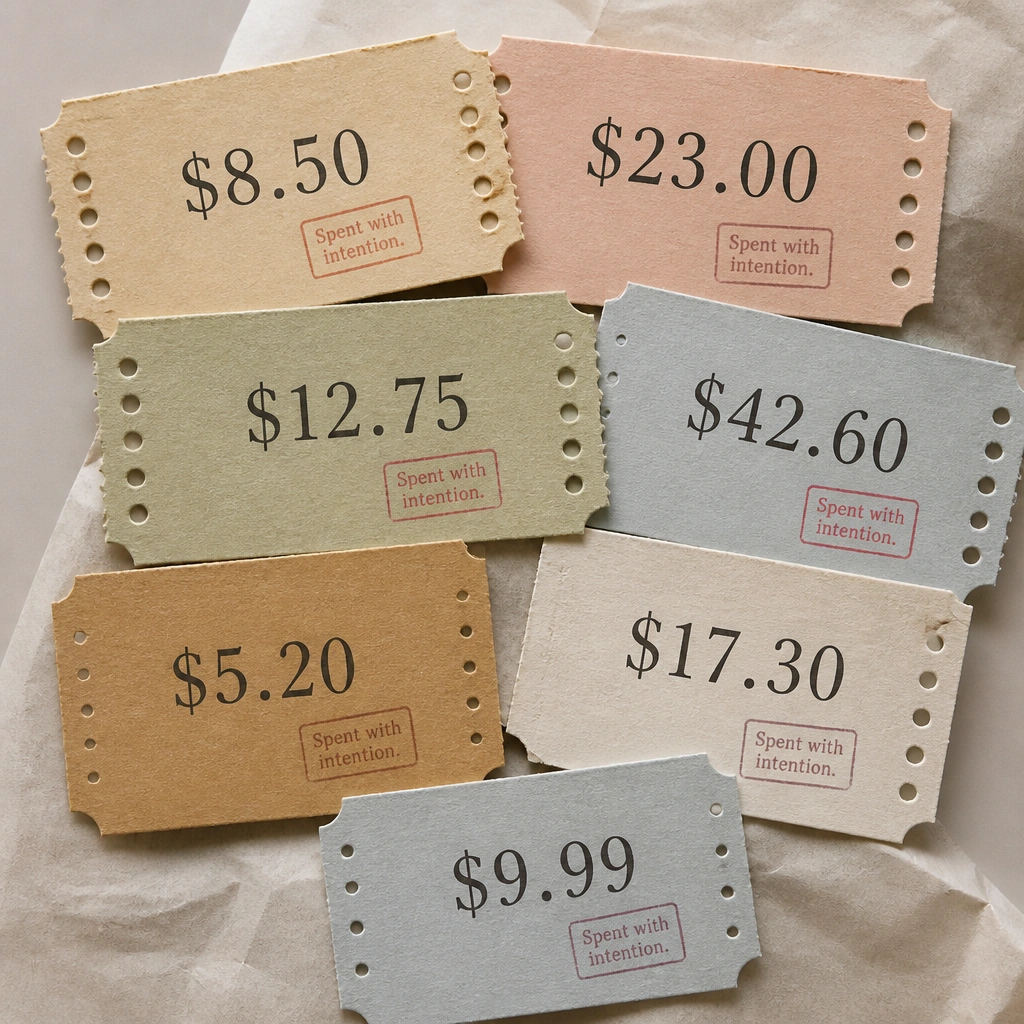
Cut ticket-shaped rectangles from scrapbook paper and punch two holes on the sides. Label each stub with a planned spending amount (for example: “$20 groceries,” “$15 self-care,” “$30 fun”). Add a stamp-like phrase: “Spent with intention.” This aesthetic format turns “money anxiety” into a playful plan that supports abundance.
Use a hole punch and tie them with a thin ribbon to make the stubs look like a collectible.