




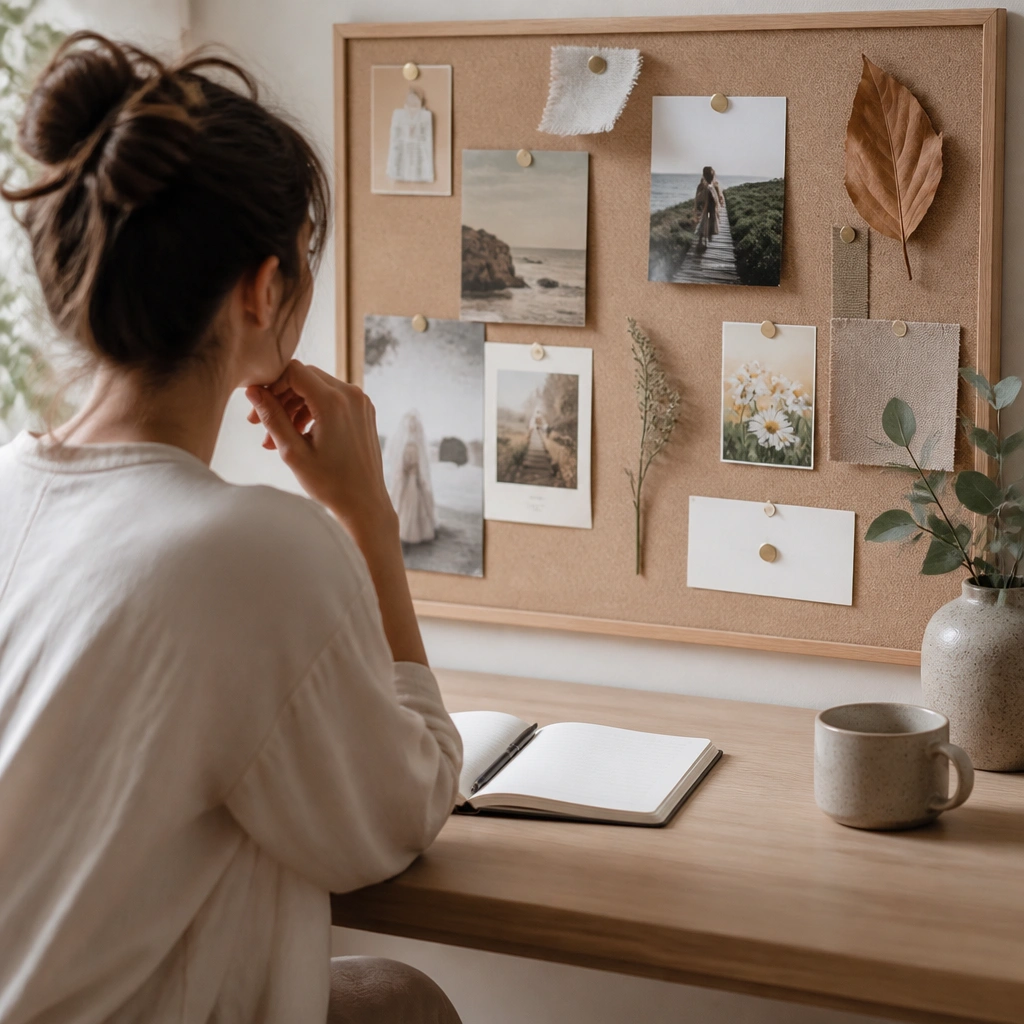
1. Sticky-Note “Today” Grid That Doesn’t Get Messy
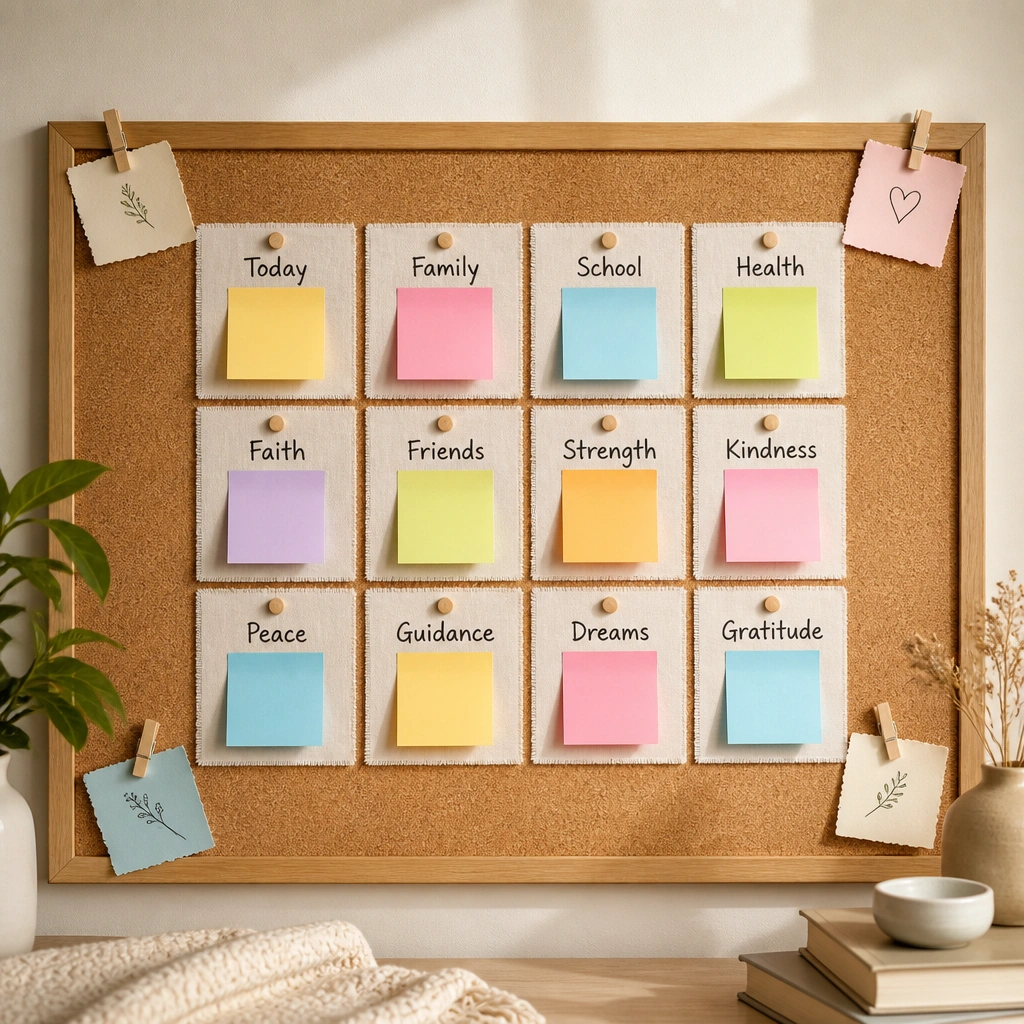
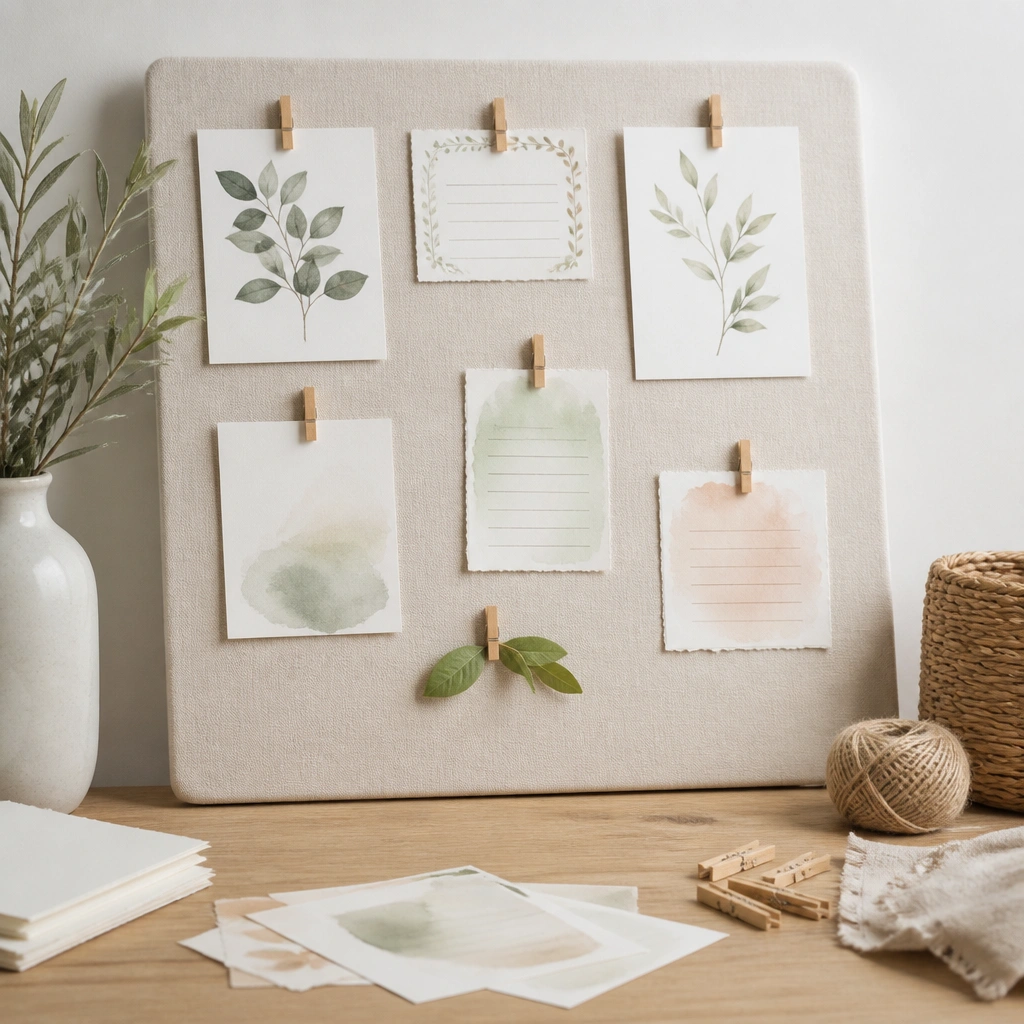
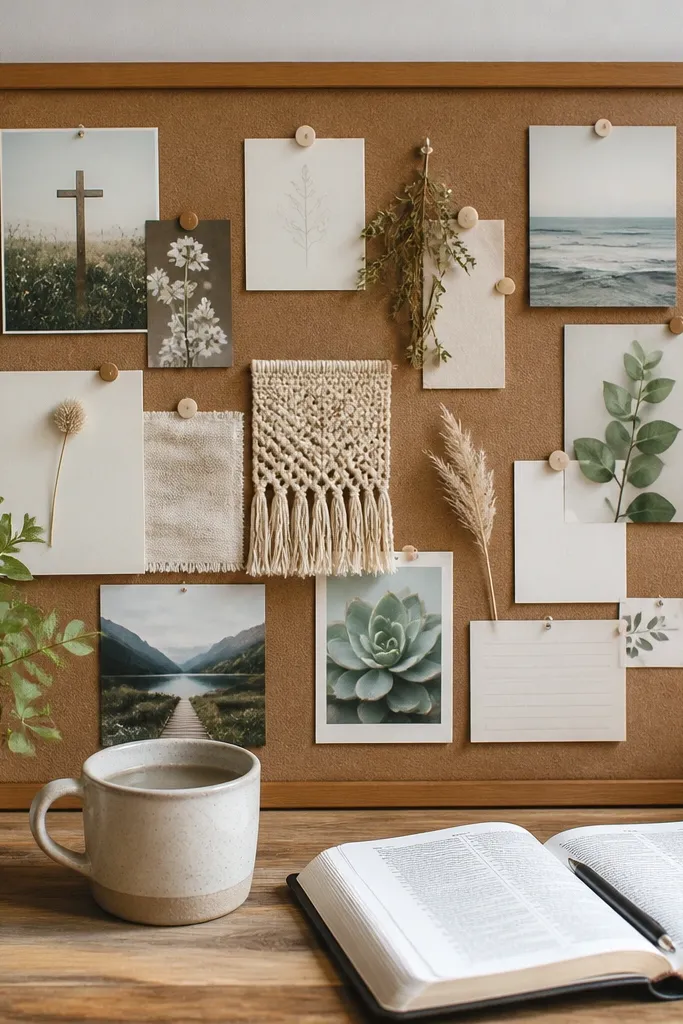
I wish I knew how quickly sticky notes multiply. This setup keeps things contained because each category has a fixed square size, so kids can add a note without turning the whole board into one big pile. Cork is forgiving, and clothespins help anchor thicker cards so nothing slides down.
Set a timer rule: one new sticky note per category per day, then move it to “Answered” when you’re done.
2. Magnetic Verse Strip on a Cheap Metal Sheet
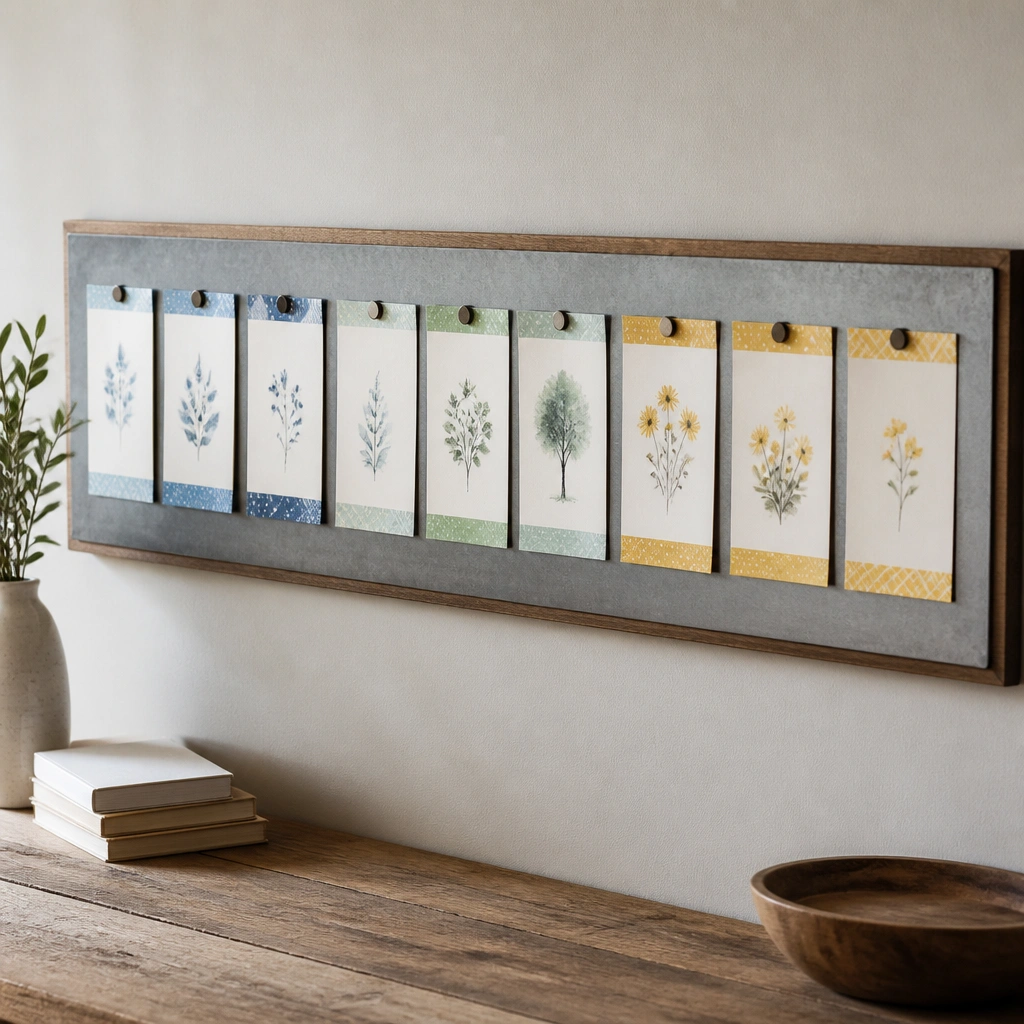
I bought foam board first and regretted it because magnets didn’t stick. A thin metal sheet (often sold as craft or bulletin board panels) gives you that satisfying magnetic hold for verse cards and prayer prompts. Color-coding makes it easier for kids to find the right card fast.
Good to knowUse binder clips or small magnets behind the cards to prevent them from slipping when the board gets bumped.
3. Framed “Prayer Windows” with Rotating Paper Cards
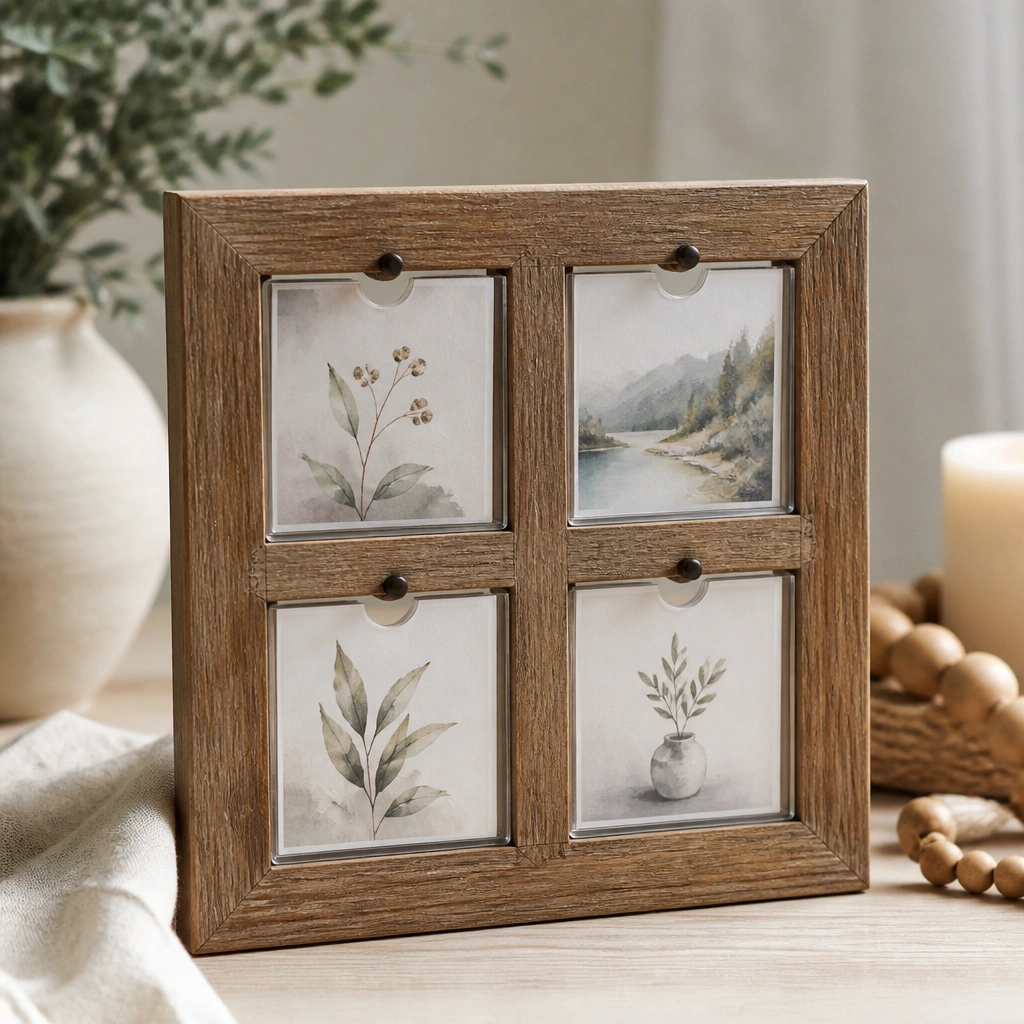
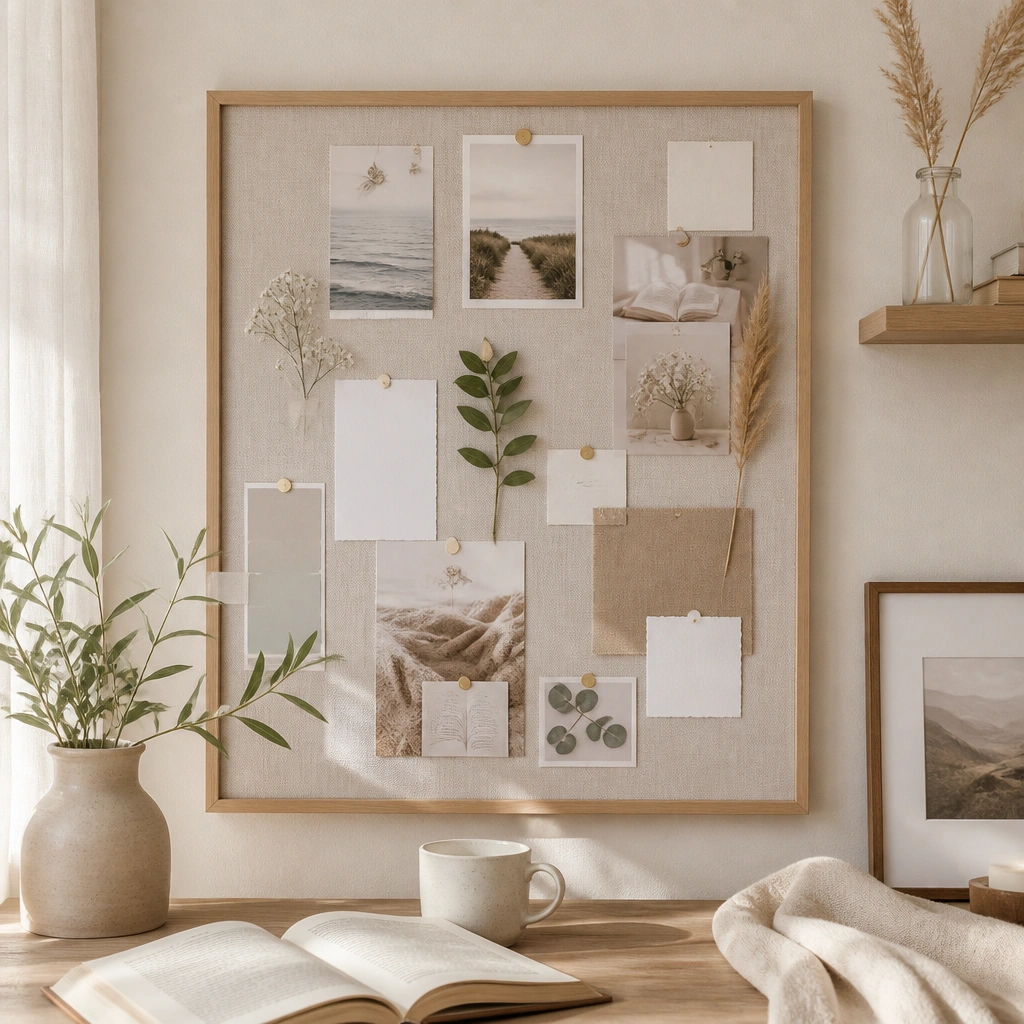
My first board was too permanent. Prayer requests change, but paper cards don’t have to mean a messy rewrite. Clear sleeves protect handwriting and make the board look clean even when you swap cards weekly.
Good to knowWrite dates on the back of each card so you can rotate and revisit without wondering what “this one” was.
4. Budget Washi Tape + Lamination Prayer Tabs
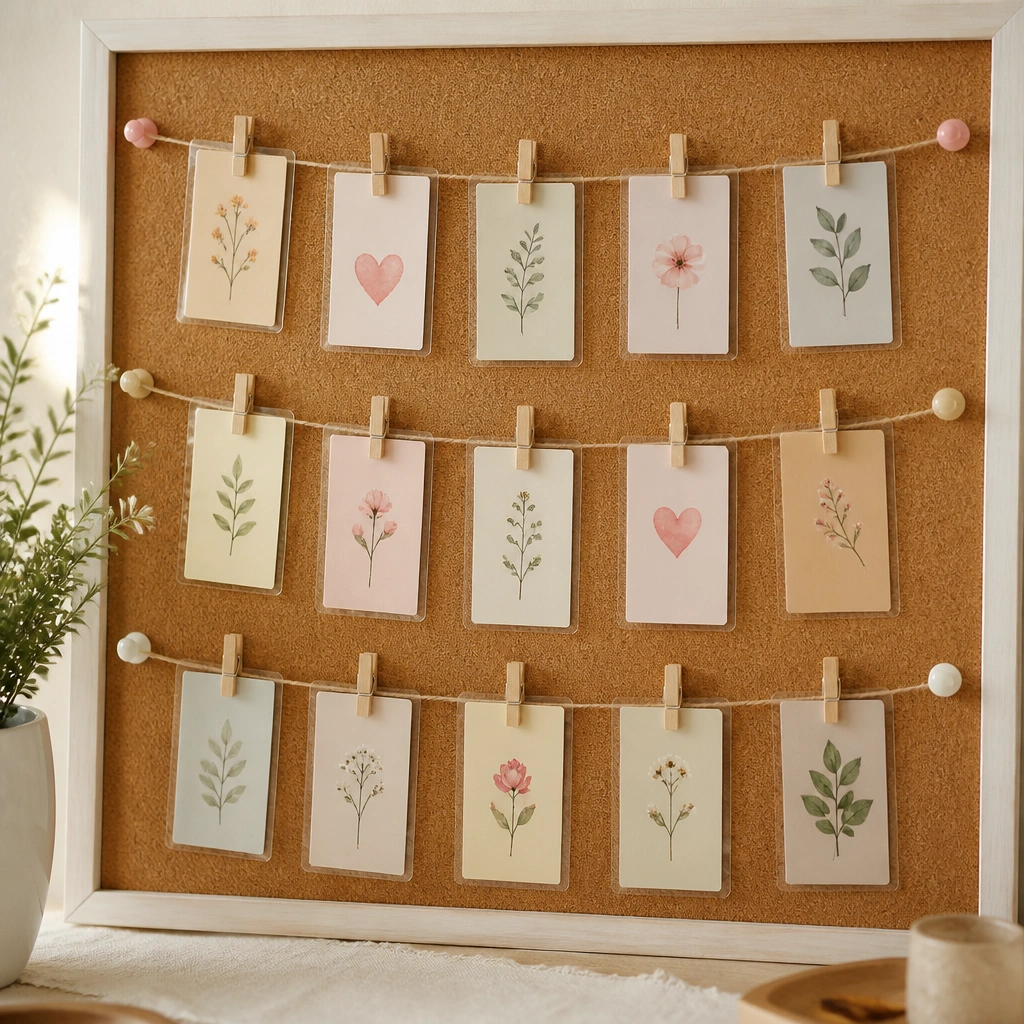
I wish I knew lamination/contact paper would save my handwriting. Laminated tabs survive sticky fingers and wipe-downs, and washi tape makes them look intentional instead of random. String lines also help you keep a “flow” from request to answer.
Use a hole punch and string so tabs can be rearranged without tearing the cork surface.
5. Kids’ Clothespin “Answered” Line
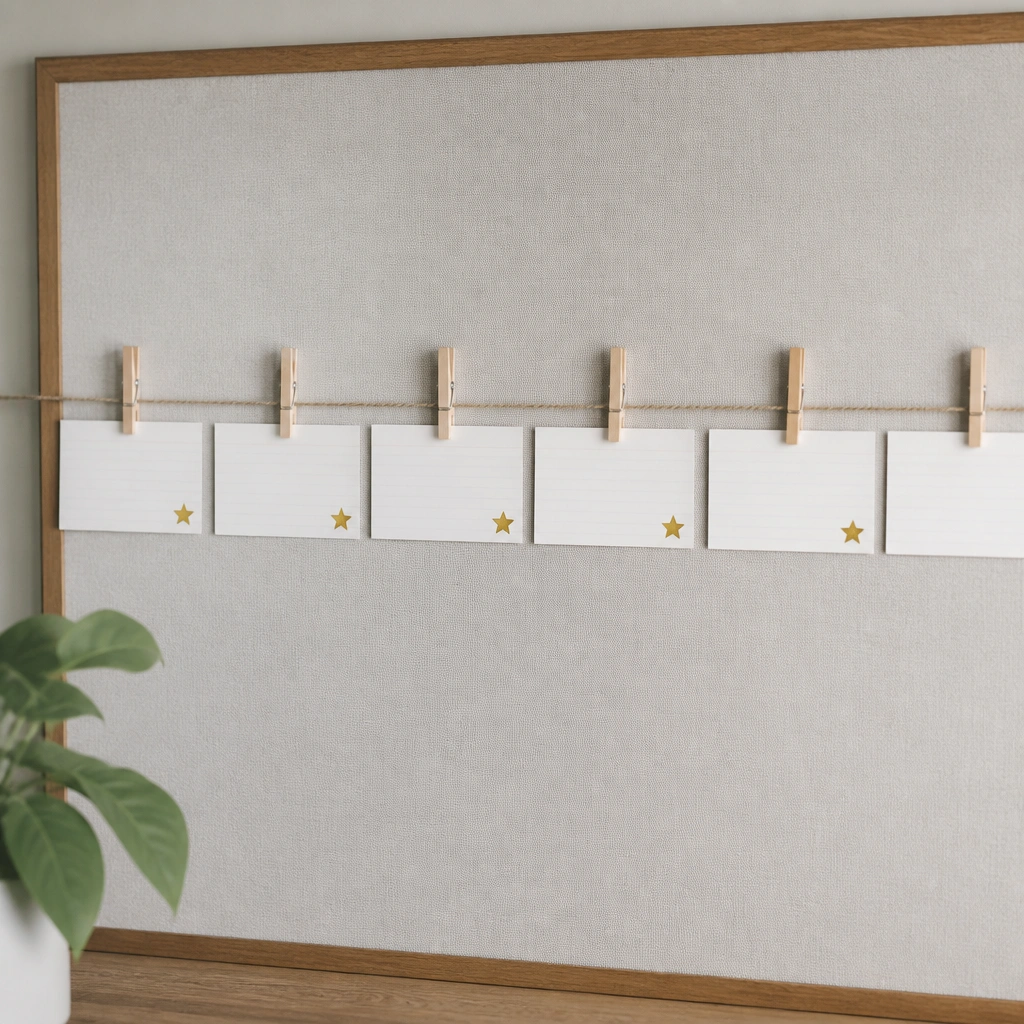
I didn’t plan for the “good news” moment, so my board felt heavy. A dedicated answered line turns prayers into a visible progress story, and kids love the physical action of clipping cards. Clothespins are also cheap and easy for small hands.
Add a tiny star sticker on the day something is answered to make it feel celebratory, not like homework.
6. Dry-Erase Corner for Quick Updates
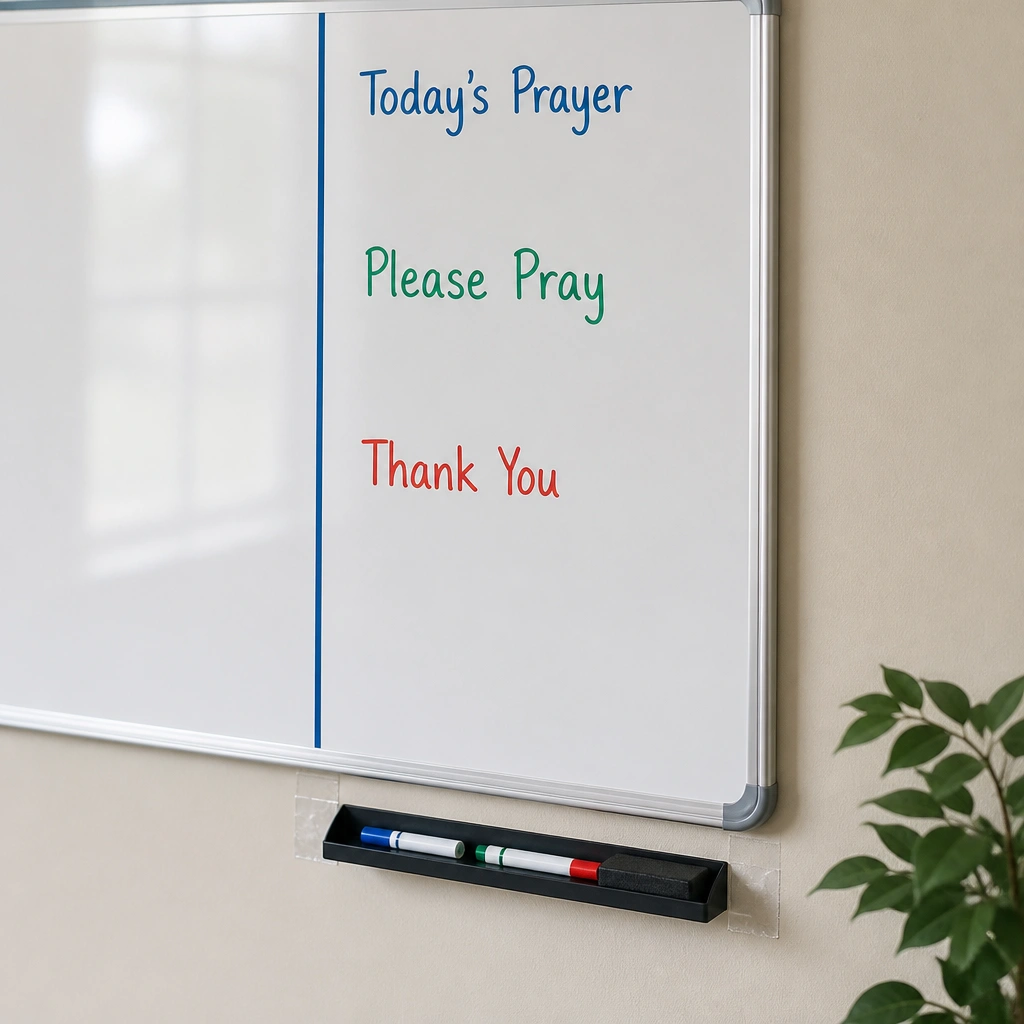
My mistake was relying only on paper, which meant rewriting constantly. A dry-erase corner gives you instant updates for urgent requests, and it’s great for households where kids talk and change their minds. You can also copy the exact headings so the board stays organized.
Keep the marker in a low-profile spot (like a taped tray) so it doesn’t disappear during playtime.
7. Fabric Wall-Panel with Pockets for “Family” Requests
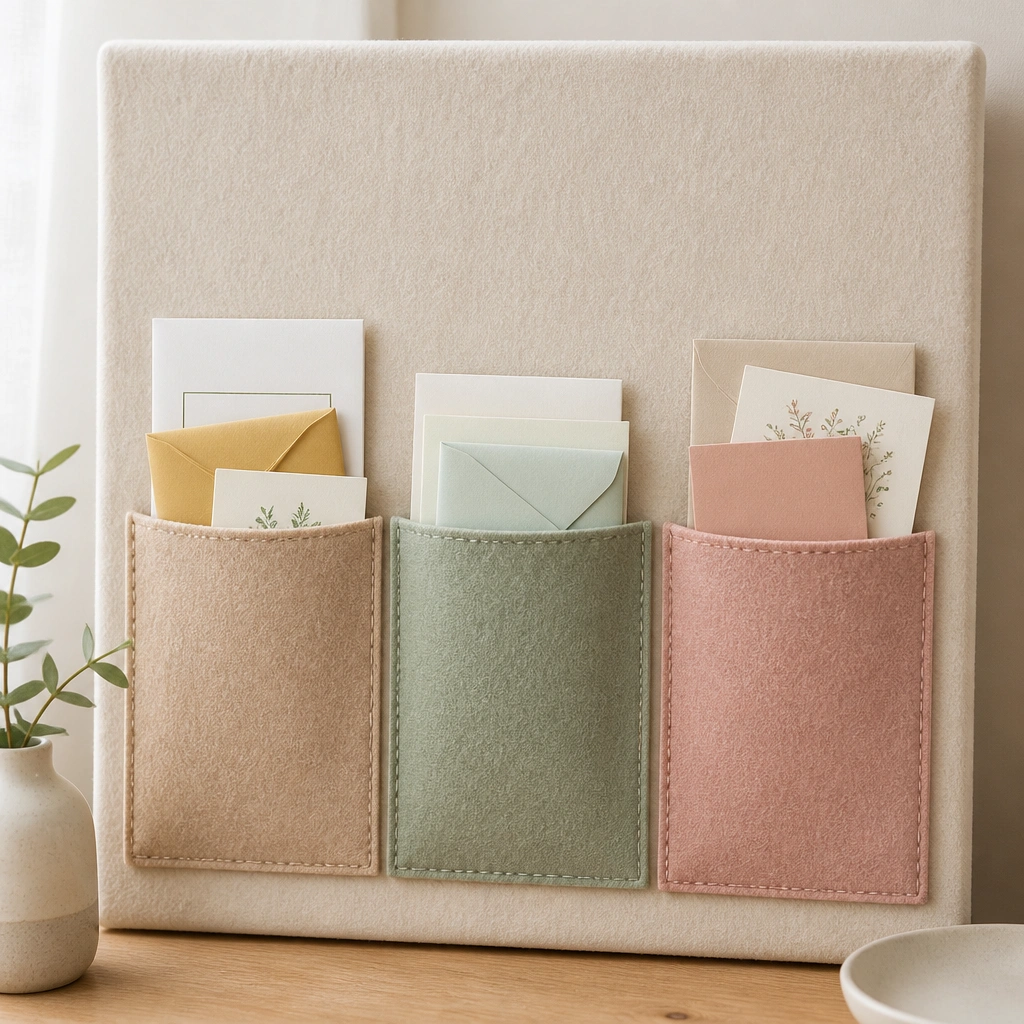
Paper cards everywhere looked chaotic in my house. Fabric pockets hide clutter and make the board feel calm, even when there are lots of requests. Felt is budget-friendly and forgiving for beginners, and the pockets give kids a clear place to put things.
Good to knowUse a thick paper backing behind the pocket labels so they don’t curl or peel after repeated handling.
8. Envelope Prayer Pouch System (No New Supplies Needed)
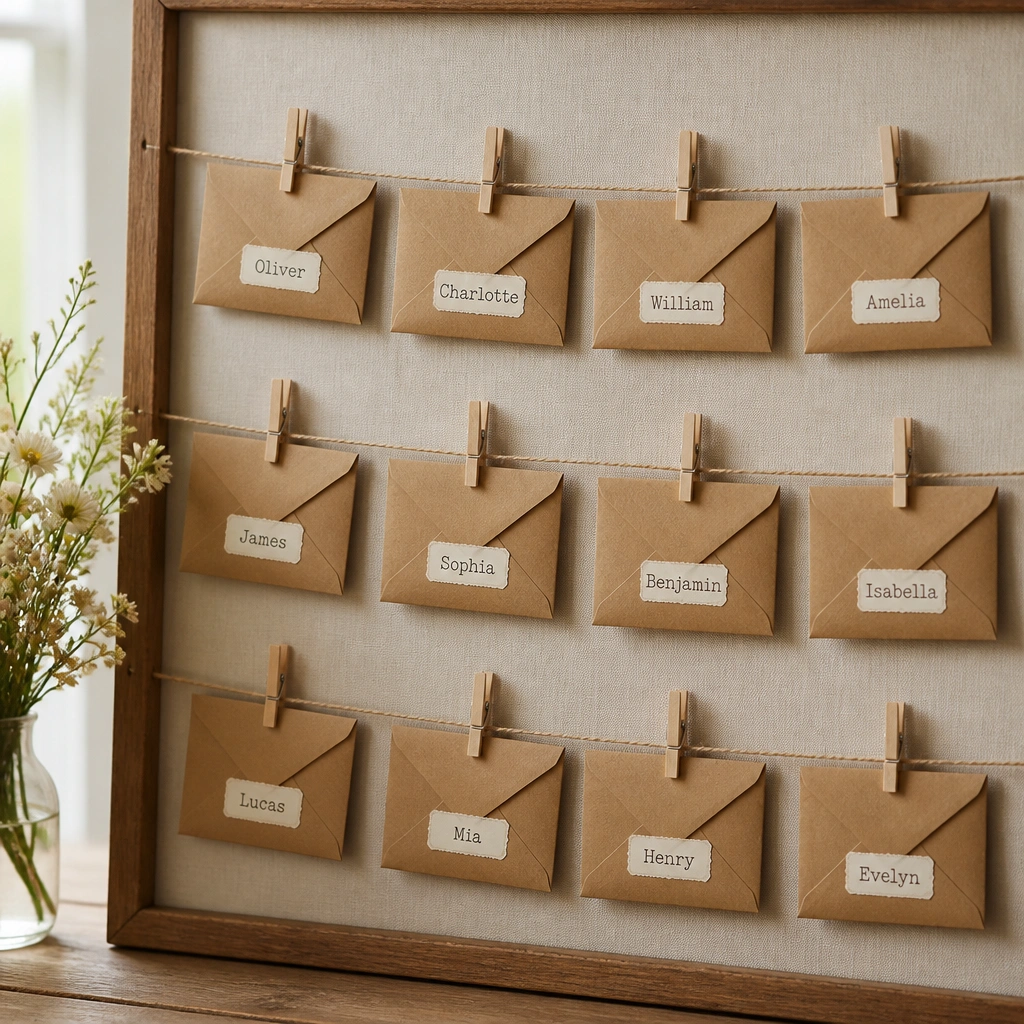
I wish I knew how much easier it is to store prayer details than to re-write everything on the spot. Envelopes let you jot a quick note, tuck it away, and pull it back later. This works especially well for kids who want to “help pray” but aren’t ready to write long sentences.
Good to knowLabel envelopes with simple icons (heart, star, book) so kids can match them even if spelling is hard.
9. Photo + Card Combo for “People We Love”
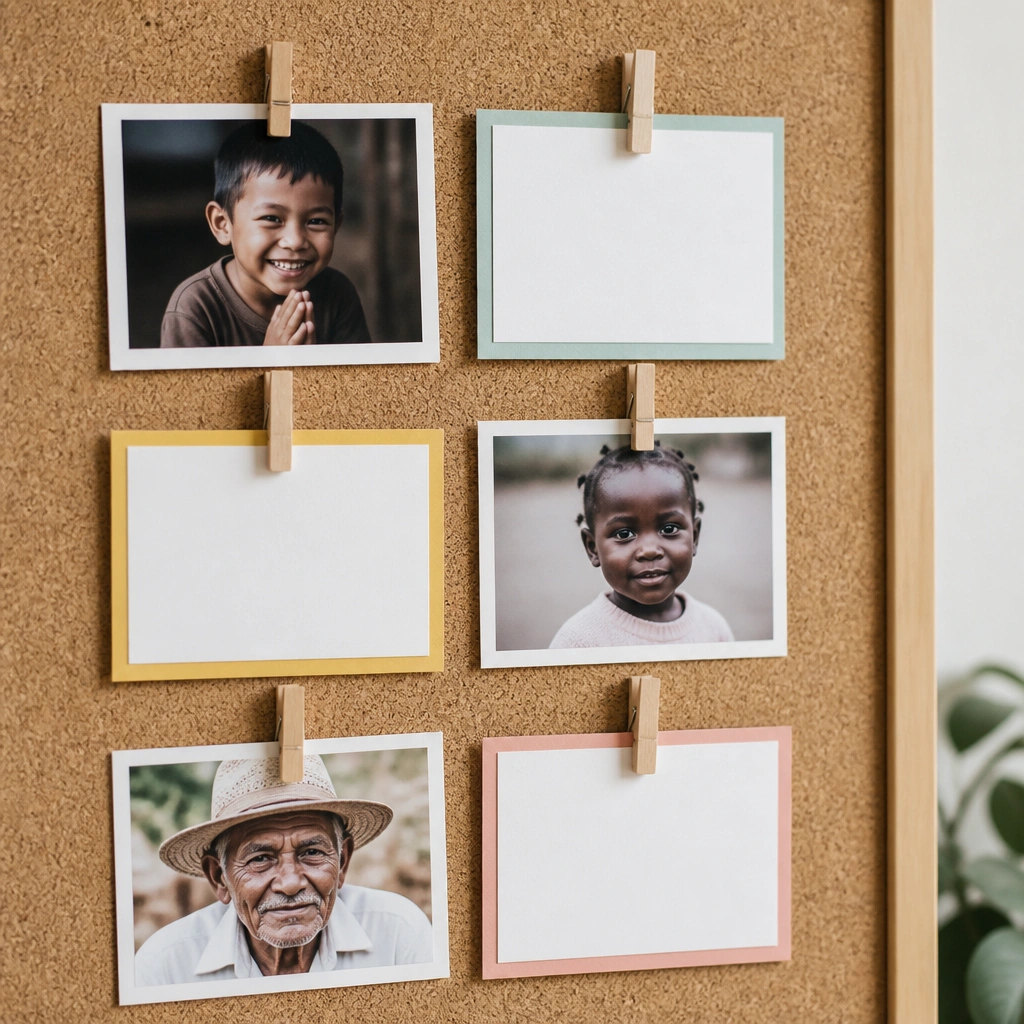
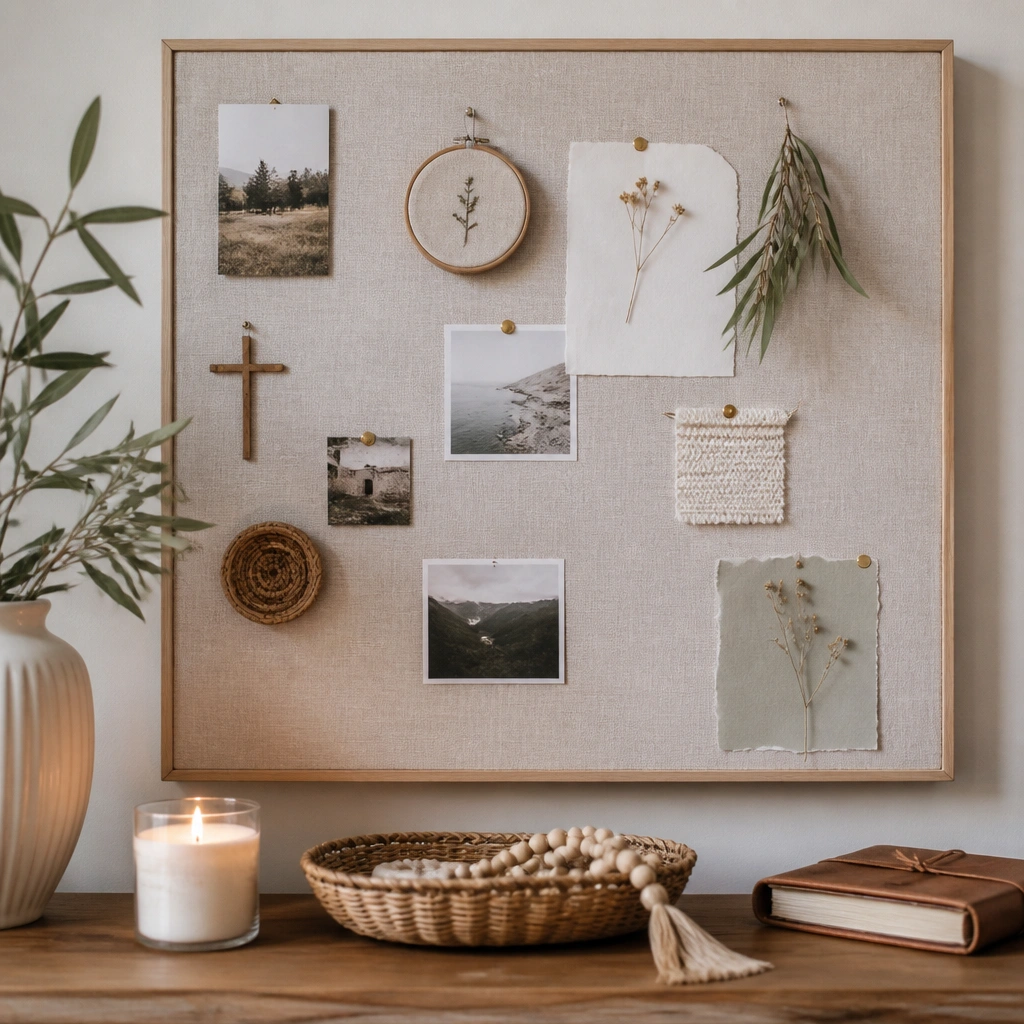
My first version had only words, and it didn’t feel personal. Adding photos makes the board emotionally sticky in a good way, and pairing each photo with a short “Please pray for...” prompt keeps it from getting vague. Mini frames also make the board look intentional, not like school supplies.
Good to knowKeep the prayer prompt the same wording for every person so kids can participate without confusion.
10. Magnetic Tacks for “Prayer Prompts” Cards
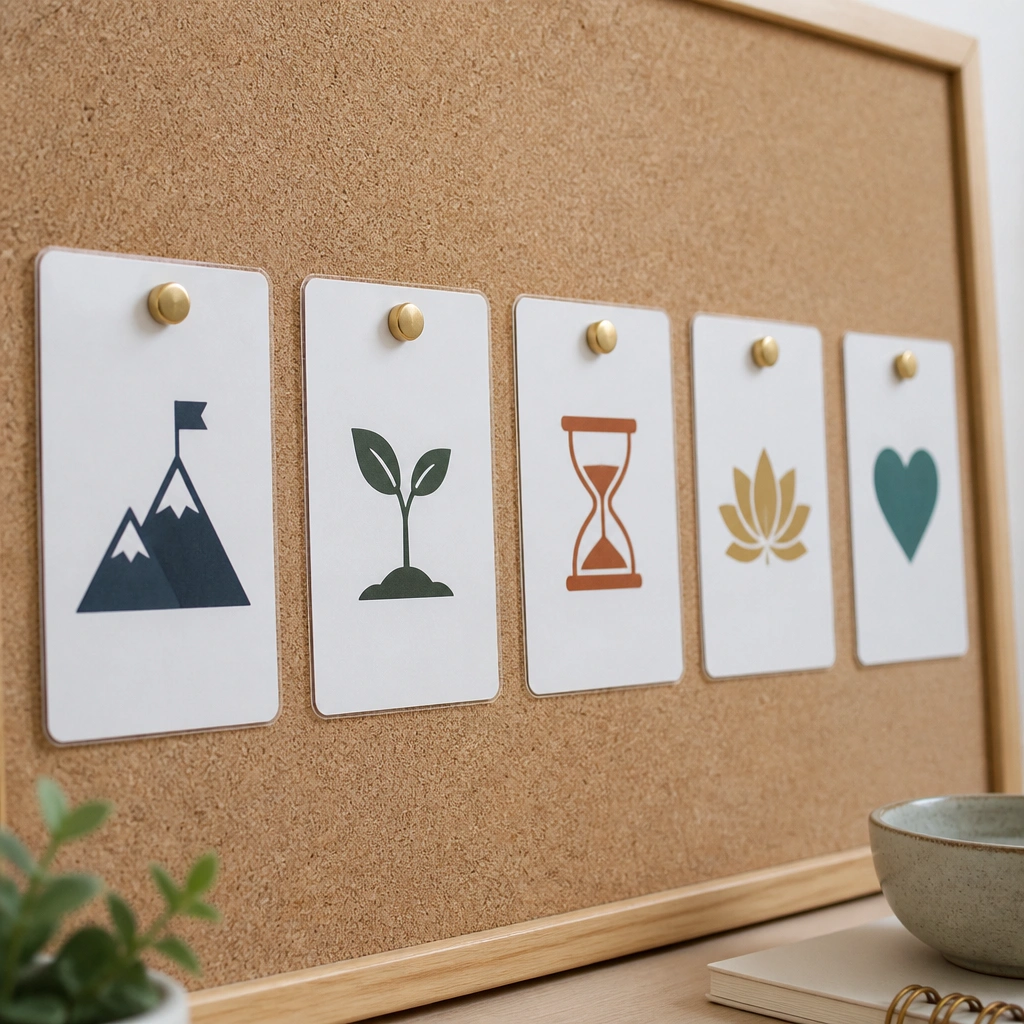
I made the mistake of using only push pins, then had to pull them out every time we changed prompts. Magnetic tacks let you swap cards quickly while still keeping everything tidy. Laminated prompts also hold up better than plain paper when kids touch them daily.
Good to knowWrite prompts in 1-2 lines maximum so you can rotate cards weekly without rewriting.