


1. Wipe-Clean Magnetic Prayer Card Board (Sheet Metal + Dry-Erase)
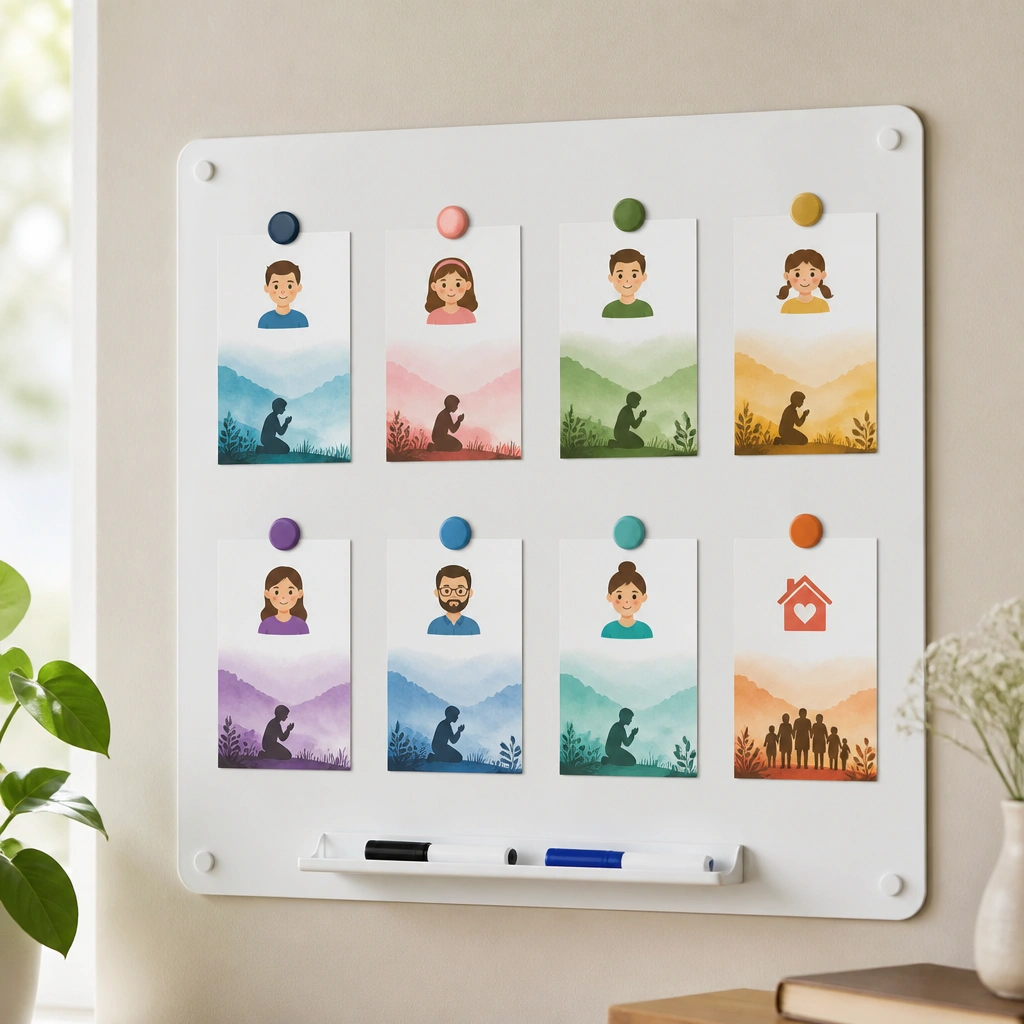
This uses thin sheet metal (often sold as craft panels or garage supply offcuts) so you can wipe smudges and keep the surface clean. Pair it with dry-erase labels or a small weekly checklist so you’re not redoing the whole board when things change. Magnetic prayer cards stay flat and don’t lose corners like paper taped to fabric.
Good to knowAdd a “weekly swap” date in dry erase at the top, then set a reminder for Sunday or Monday to replace cards.
2. Clipboard Prayer Board with Rotating Weekly Pages
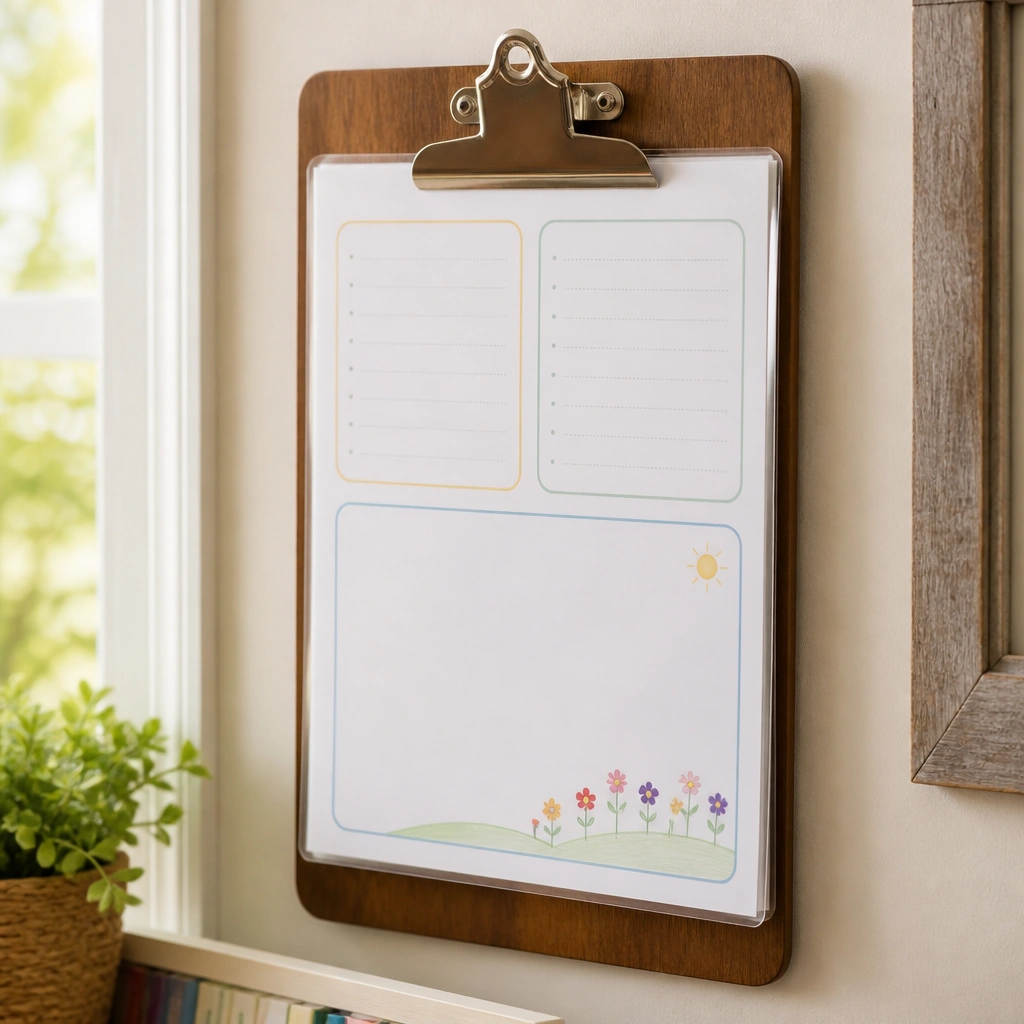
A clip board is low maintenance because the “update” is literally flipping a page. Laminate (or use clear contact paper) keeps the paper from getting bent when kids touch it. You can print identical weekly templates so you never design from scratch.
Cut the weekly pages slightly smaller than the clipboard backing so they slide in and out without jamming.
3. Fabric Pocket Prayer Board (No-Sew Velcro Pockets)
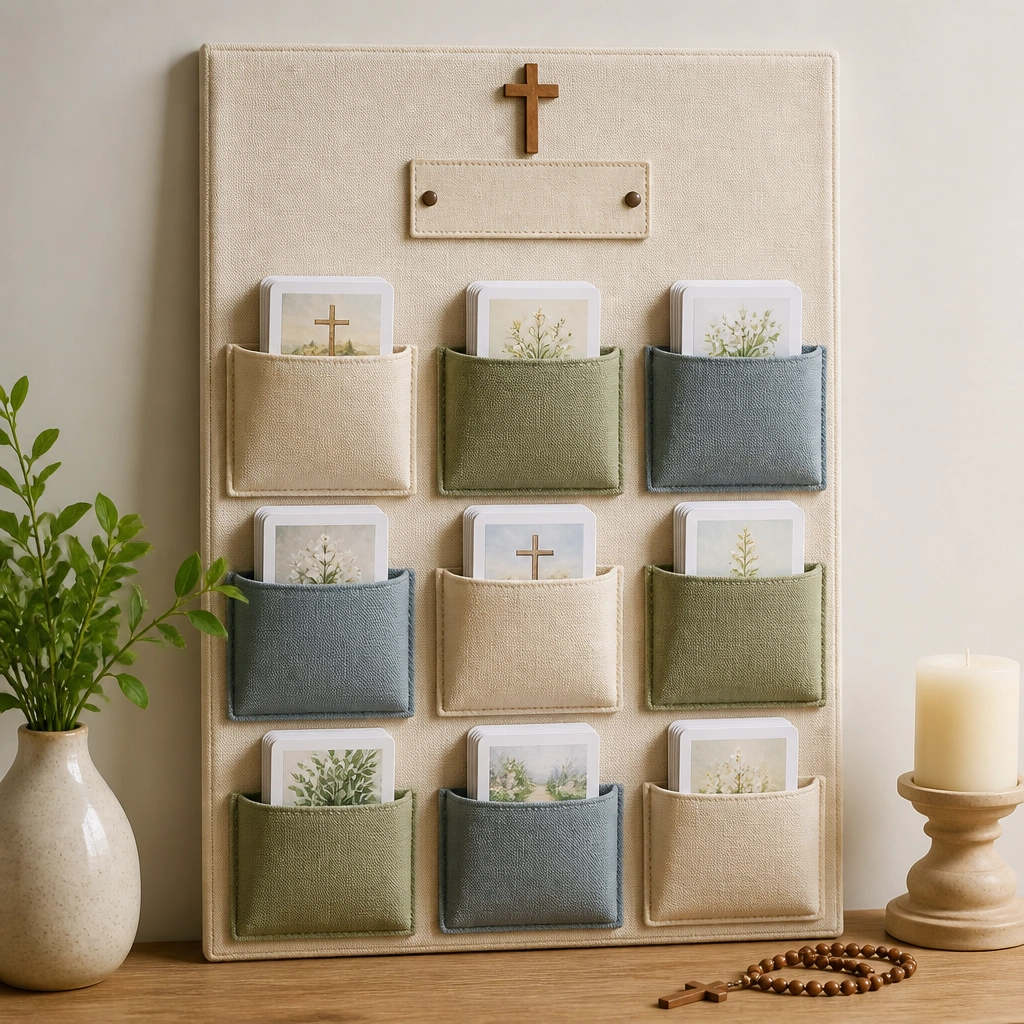
This is great for busy families because each pocket has a “home” for a specific category like family, school, health, or answered prayers. Use no-sew fabric adhesive or iron-on hem tape to attach Velcro, then keep cards folded so they don’t drift around. Felt hides minor scuffs and looks cozy even when it’s handled daily.
Good to knowMake pockets with a slightly slanted opening so kids can slide cards in with one hand.
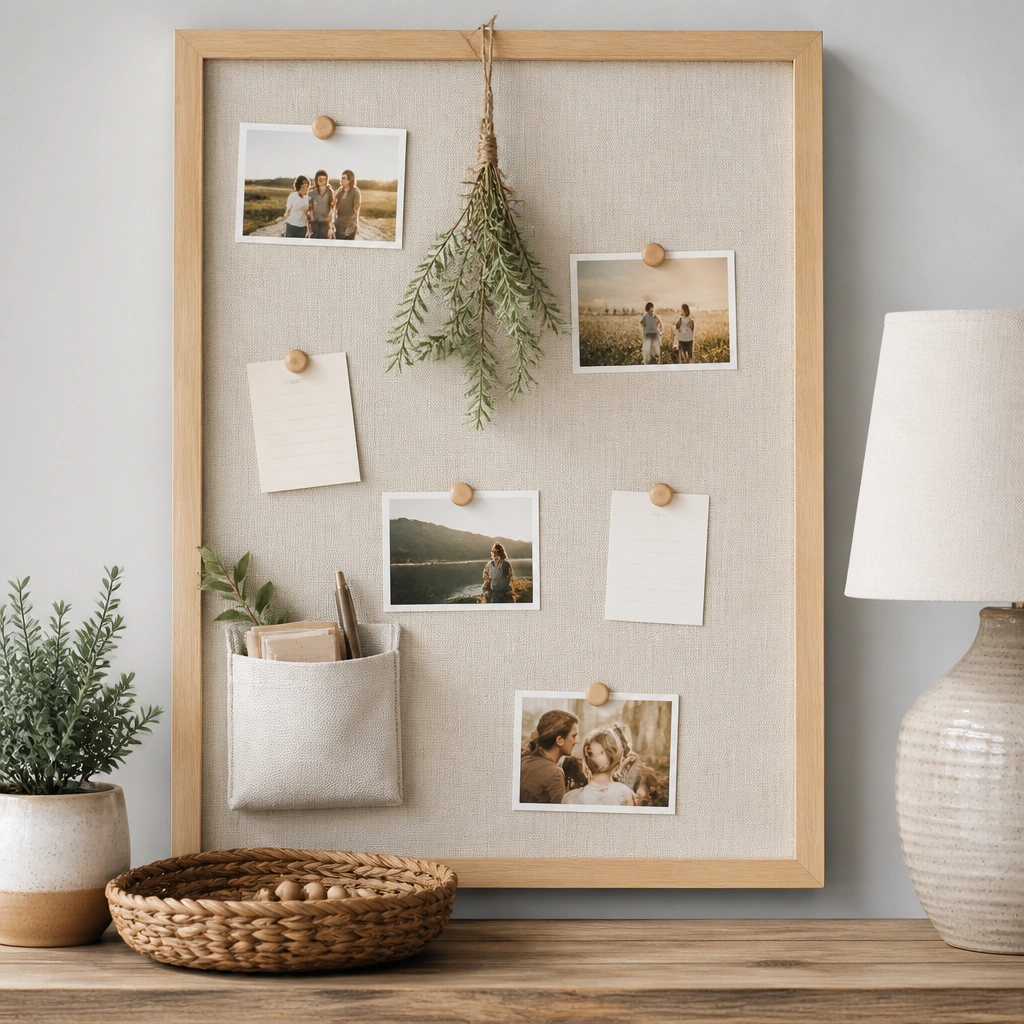
4. Framed Corkboard with Clear Sleeve Overlays
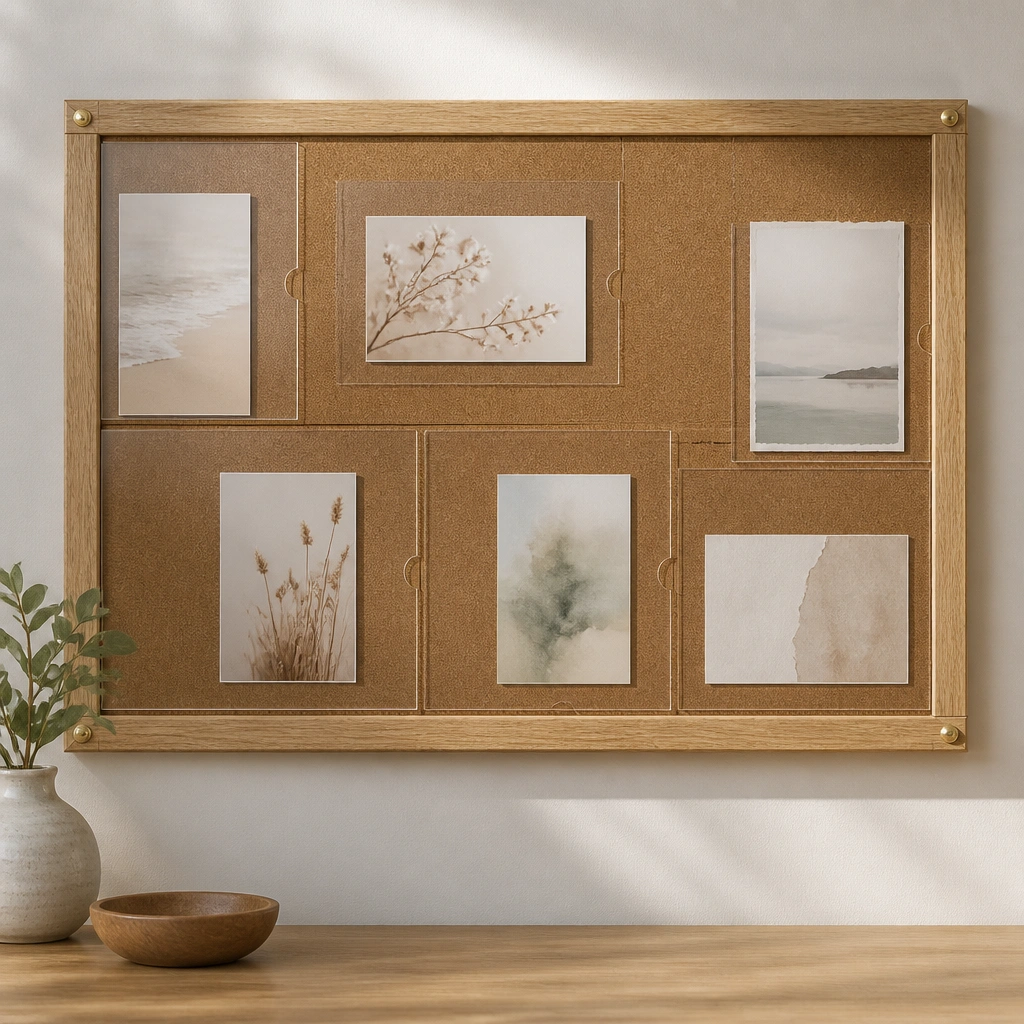
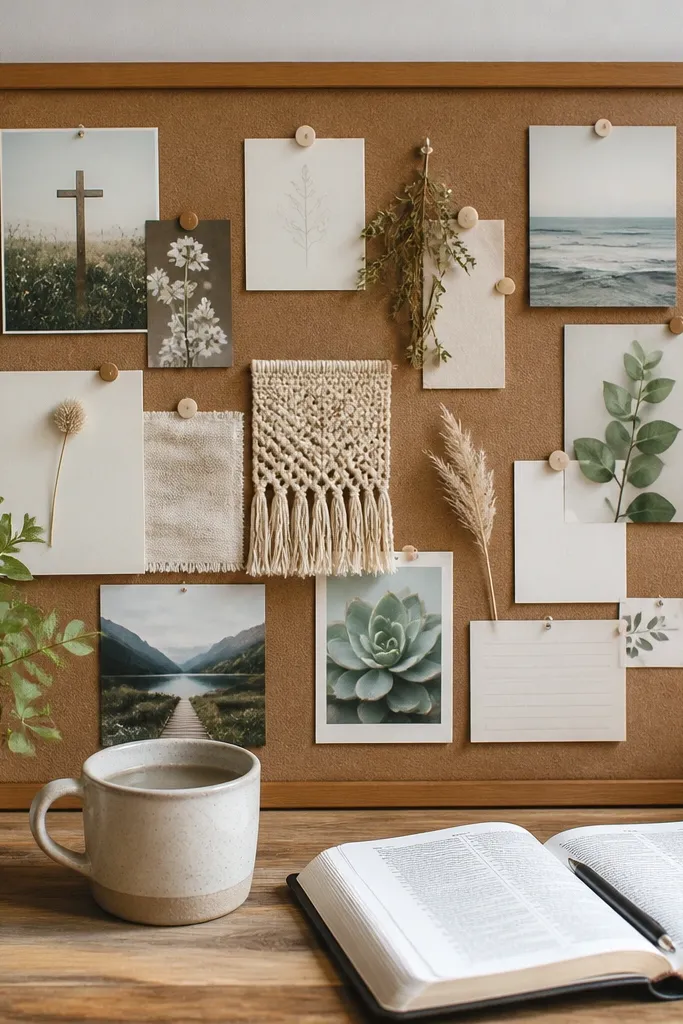
Instead of pinning paper all over, use clear sleeves to protect cards and reduce wear. Cork provides grip for any additions, but sleeves stop paper from tearing when kids change requests. You can keep a “Answered” section visible so it doesn’t get buried under new notes.
Good to knowUse binder clips or small magnets on the sleeve edges so cards can be replaced without removing the sleeve.
5. DIY Magnetic Paint Prayer Board (Rust-Proof + Easy Updates)
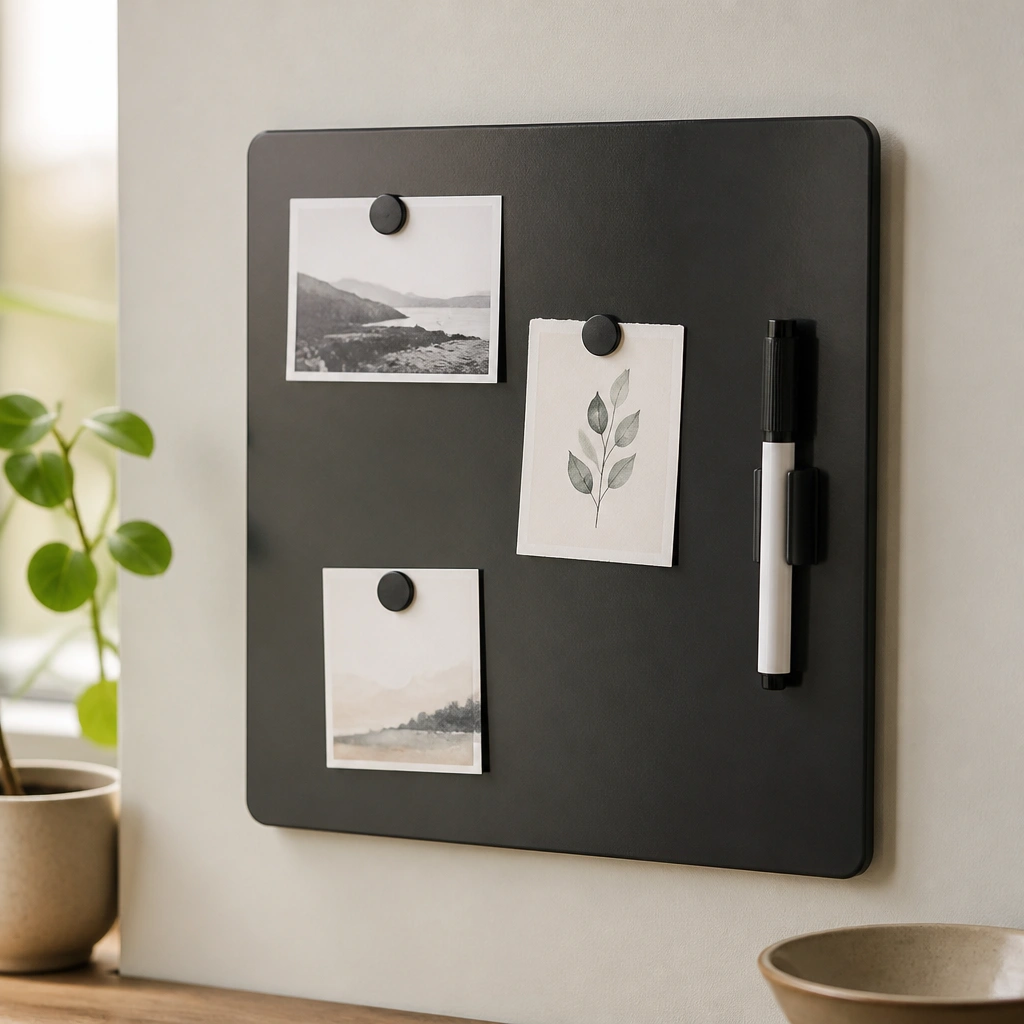
Magnetic paint creates a strong enough surface for lightweight card magnets, so you can avoid sheet metal entirely. Choose a sealed frame or primed board so it resists humidity and daily handling. The dark color makes colorful prayer cards pop and hides fingerprints better than bright wood.
Test with your exact magnets first — choose thin, flat magnets for easy placement.
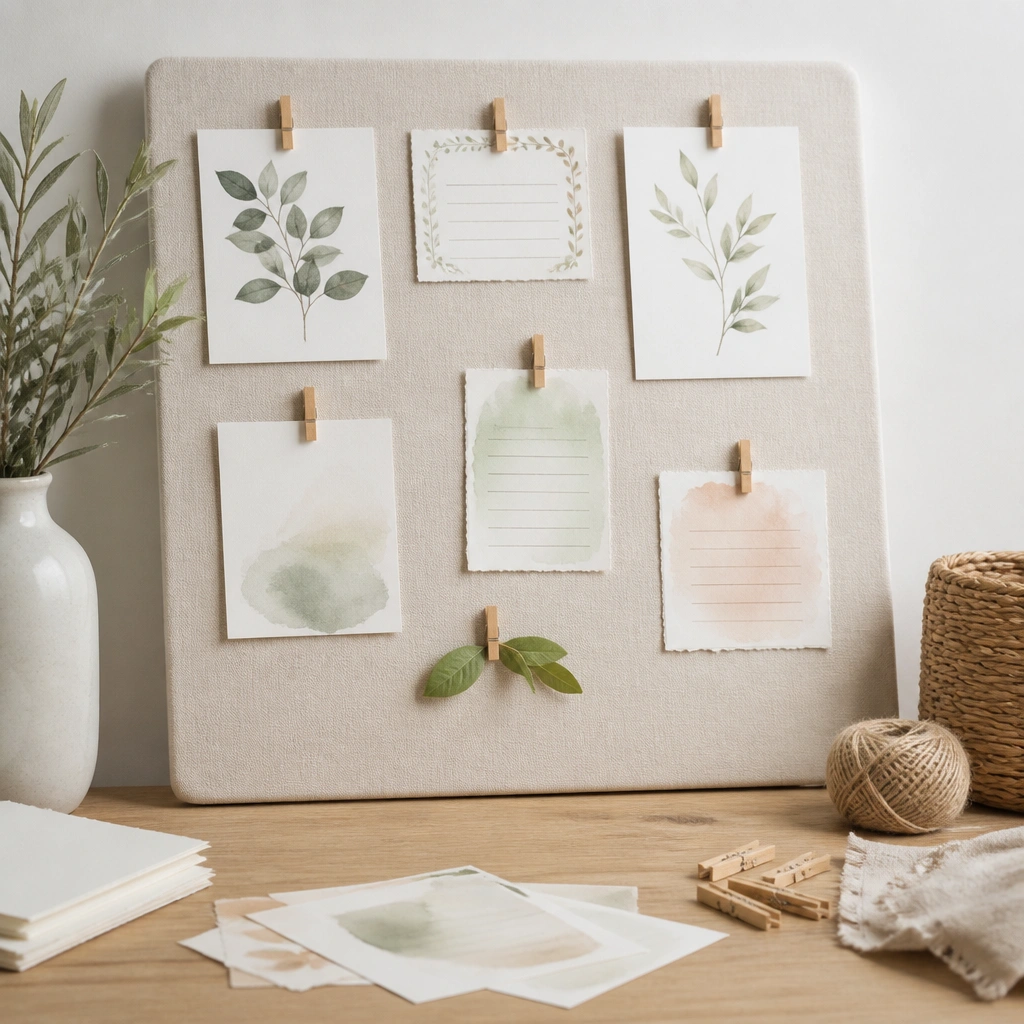
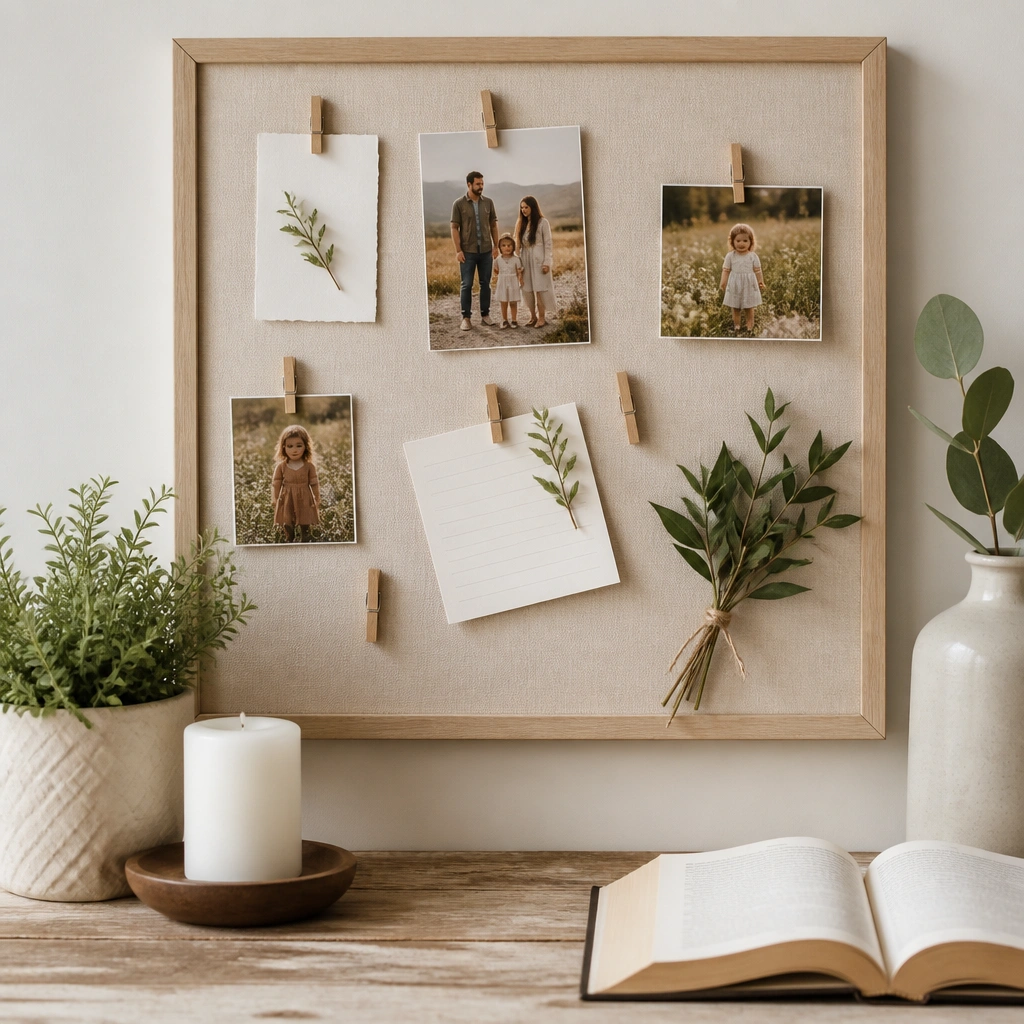
6. Laminated Prayer Cards on a Ribbon Clip Rail
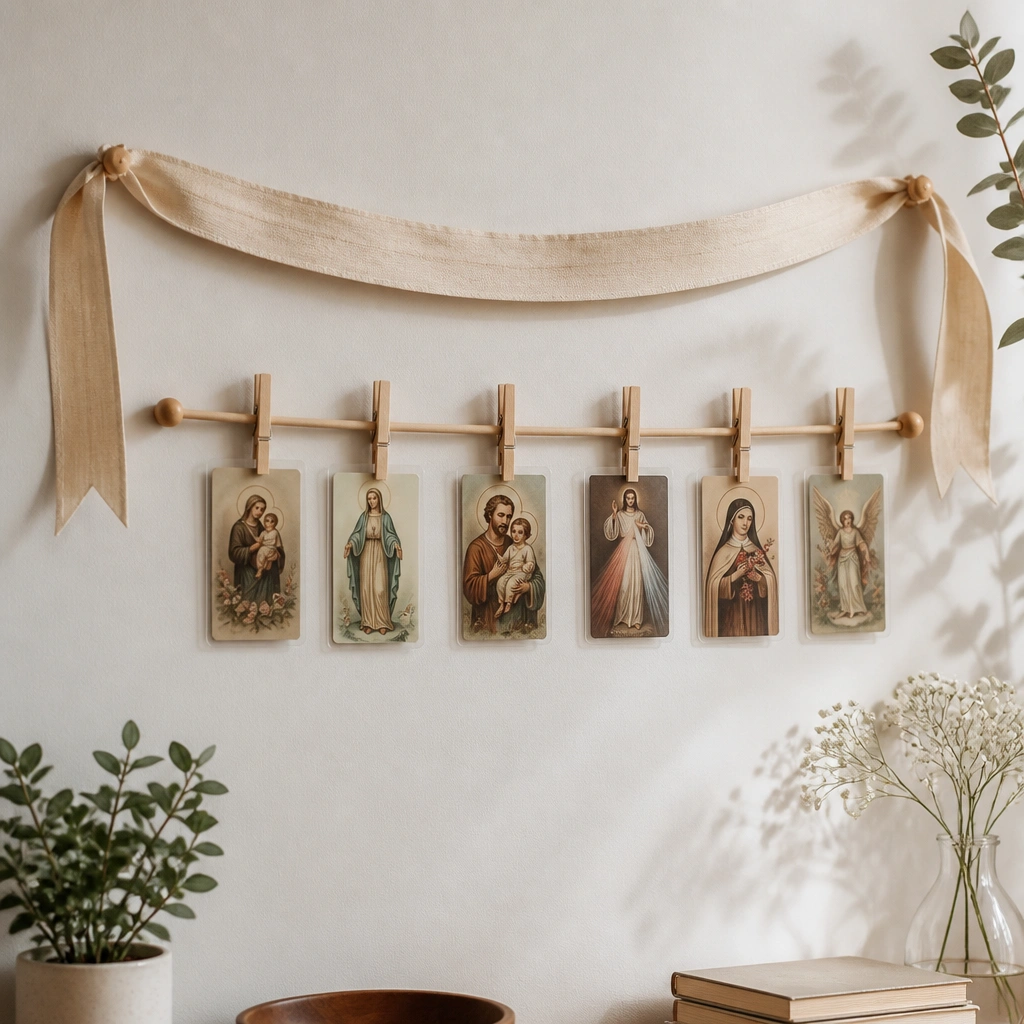
Clothespins and a ribbon rail are ultra-low maintenance because kids can attach and swap cards in seconds. Laminating prevents smears from crayons and sticky fingers. This setup also keeps cards visible without taping or thumbtacks, so the board stays clean.
Good to knowCreate two clothespin rows: “Pray For” and “Thank You For” to reduce clutter and help kids separate requests from answers.
7. Dollar-Store Photo Frame Prayer Board (Quick Categories)
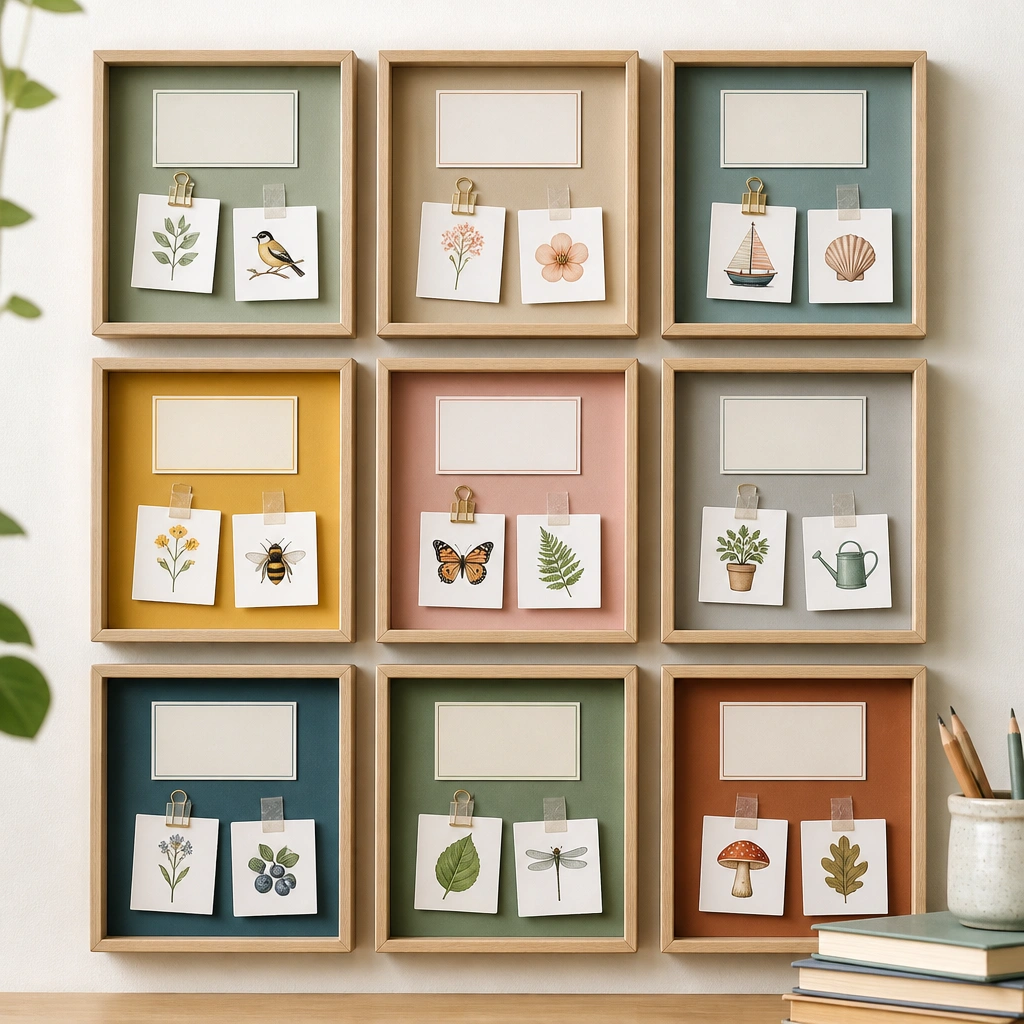
Multiple small frames are surprisingly low maintenance because each category stays contained. Use labeled mini cards and replace only the top layer when a request changes. The clear front (if your frames have it) protects the cards from bending and makes wiping easy.
Put the most-used categories at eye level for kids so they update it themselves.
8. Expandable Accordion Prayer Board (Travel-Friendly Home Version)
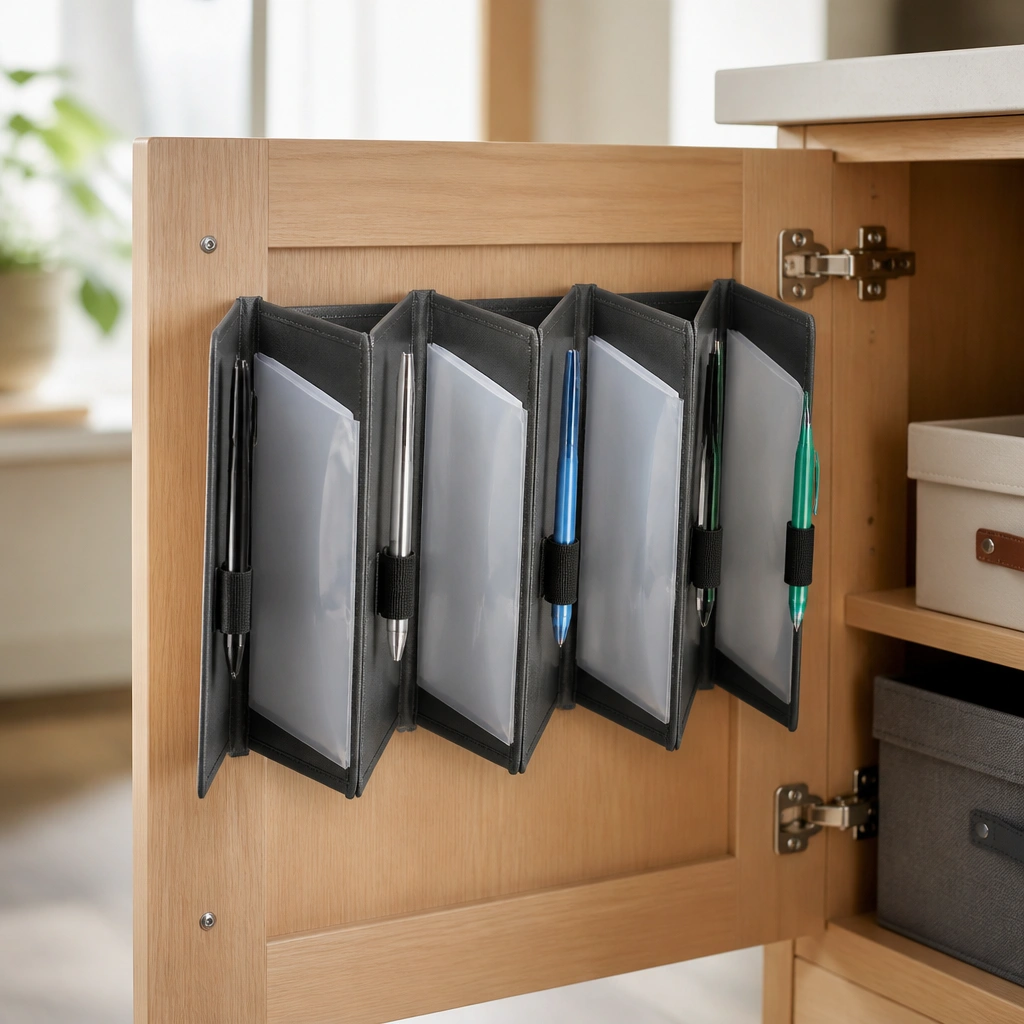
An accordion-style organizer is low maintenance because it automatically sections prayers into pages. Laminated pockets keep the pages clean and let you wipe away dust. It’s also great if you want the board out of sight during the week but ready for family prayer time.
Attach a tiny elastic loop for a marker so kids don’t misplace it during updates.
9. Command-Strip Prayer Board with Removable Sections
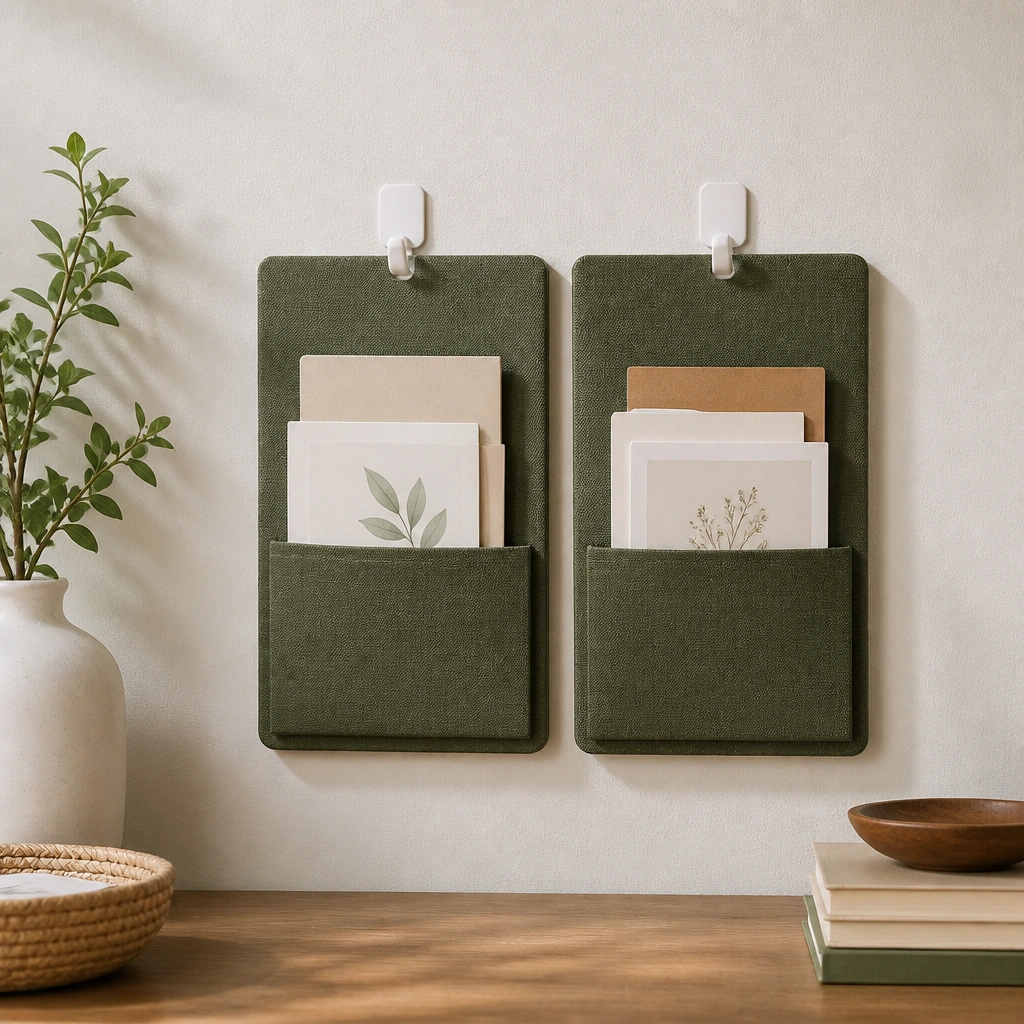
Removable sections let you keep one panel active while you store the rest flat. Using removable adhesive hardware prevents damage to walls and makes it easier to rearrange as kids grow. Because each panel is separate, you can swap out categories without disturbing the whole board.
Good to knowKeep a “refill” envelope of blank prayer cards behind the board so you’re never scrambling.
10. Chalkboard + Clear Tape Grid (No Smudgy Rewrite)
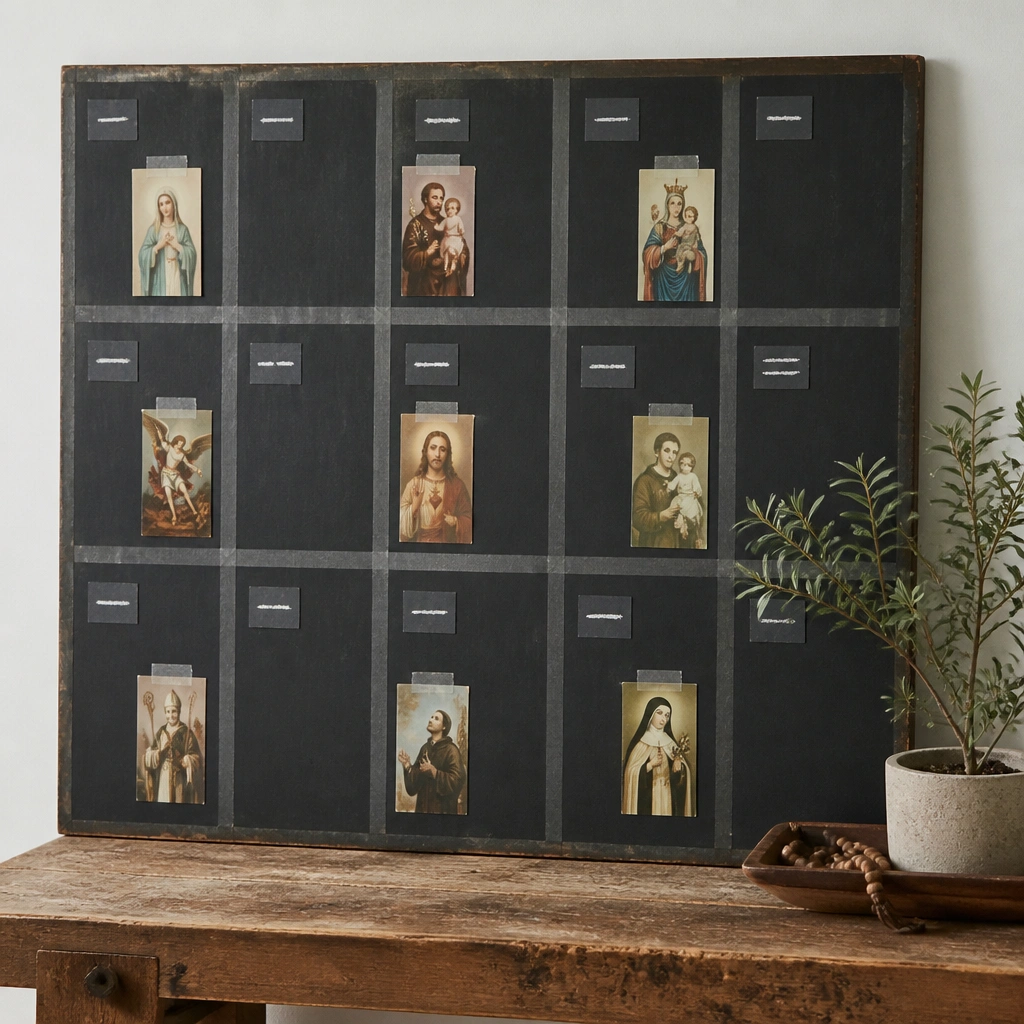
Chalkboards can get messy, but a clear tape grid makes the layout stay consistent. You can write brief labels like “Health,” “School,” and “Home” while keeping the actual requests on cards behind the grid. This reduces the urge to constantly rewrite long paragraphs and keeps everything legible.
Good to knowUse a damp cloth for quick chalk cleanup, then leave labels in place for weeks.