




1. Foam Board Prayer Prompts with Velcro Notes
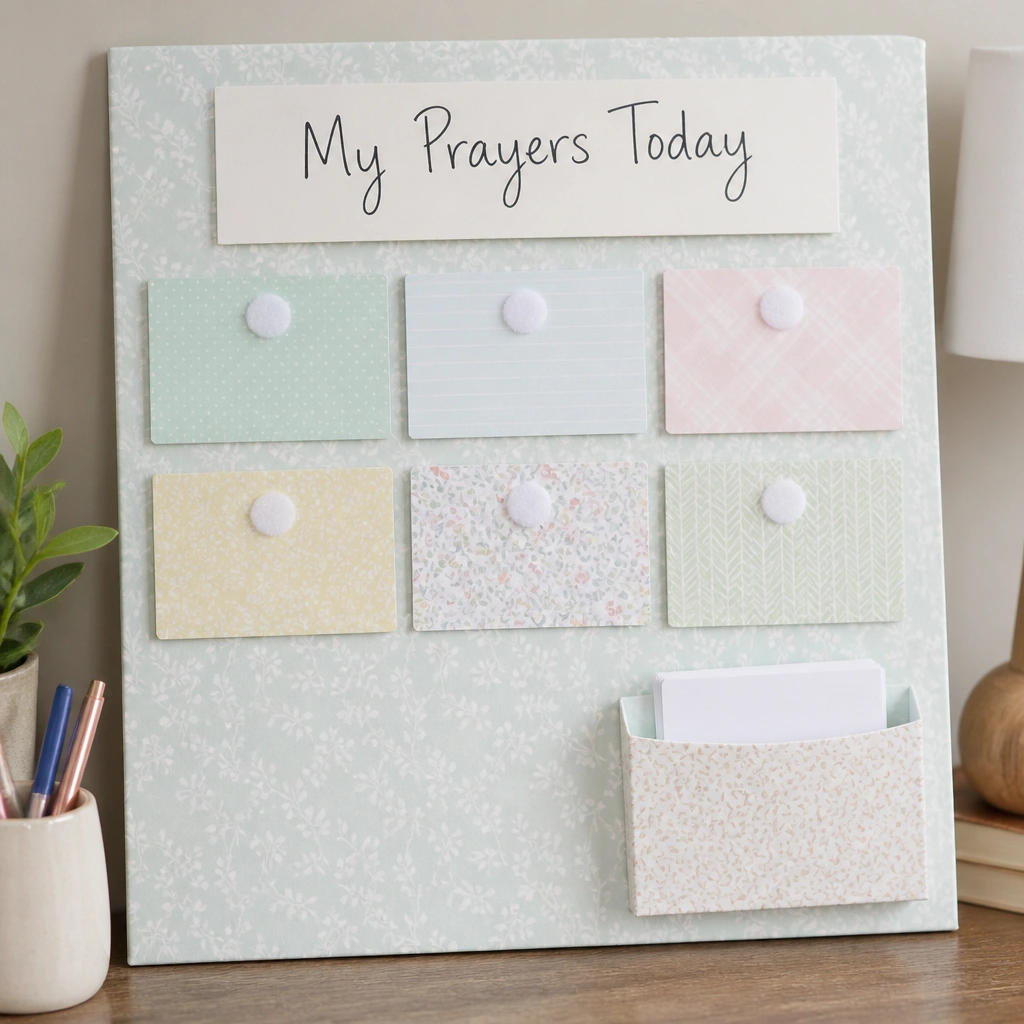
This is one of the easiest prayer board ideas because foam board is lightweight and forgiving. Add a border of decorative tape, then use Velcro dots so kids can move “Today,” “For Family,” and “Thank You” cards without tearing anything. The notes can be reused by swapping the cards each day.
Good to knowCut your prompt cards the same size (like 3x5 inches) so they line up cleanly and don’t look messy.
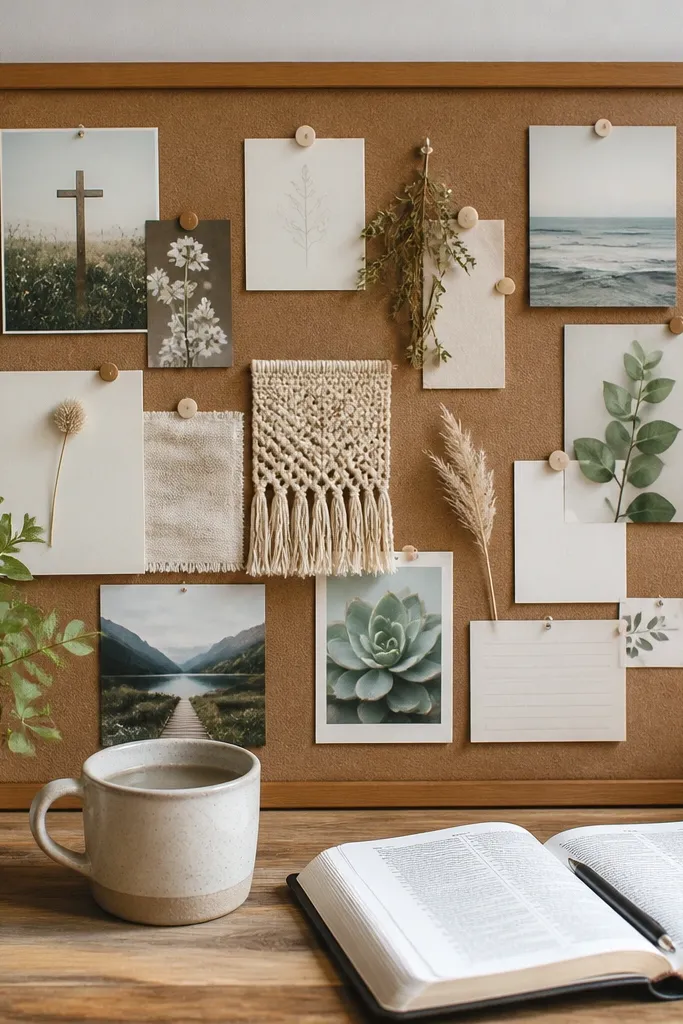
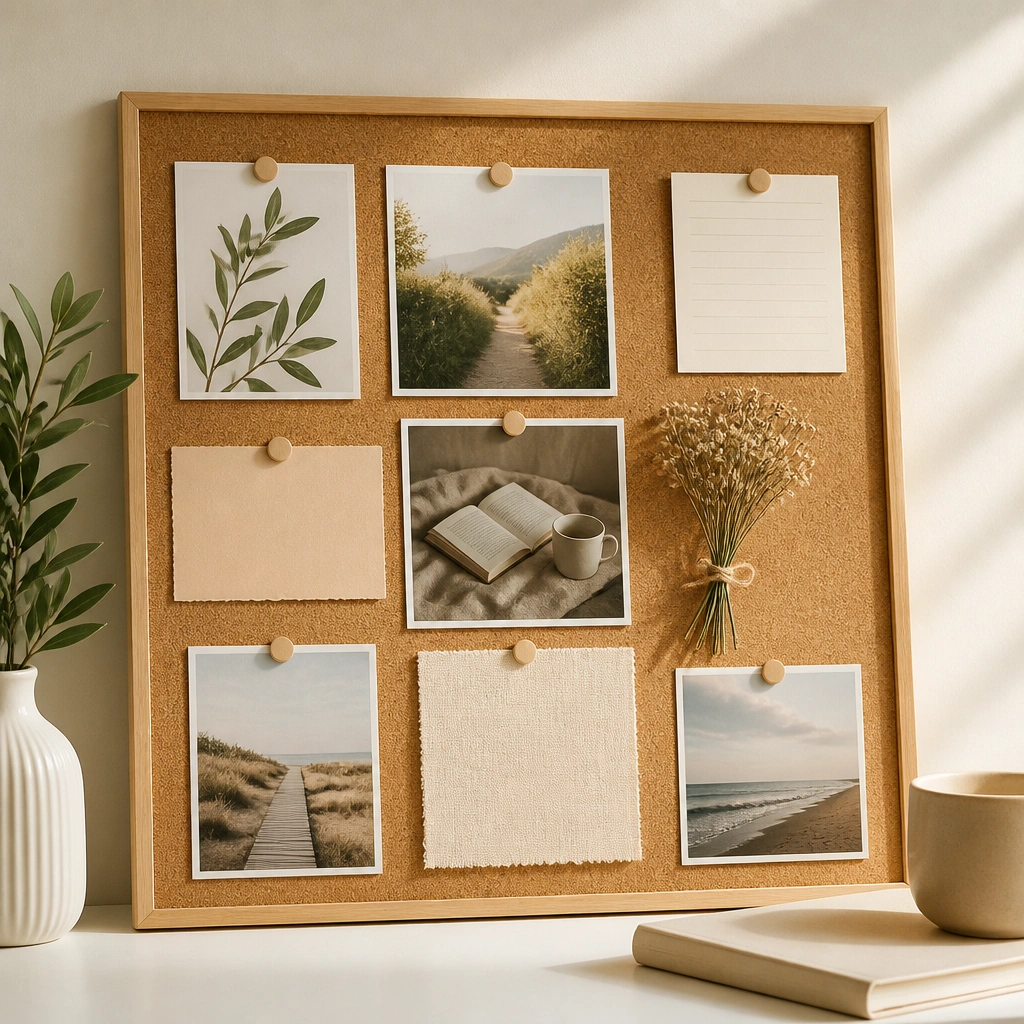
2. Corkboard Prayer Station with Mini Clip Clips
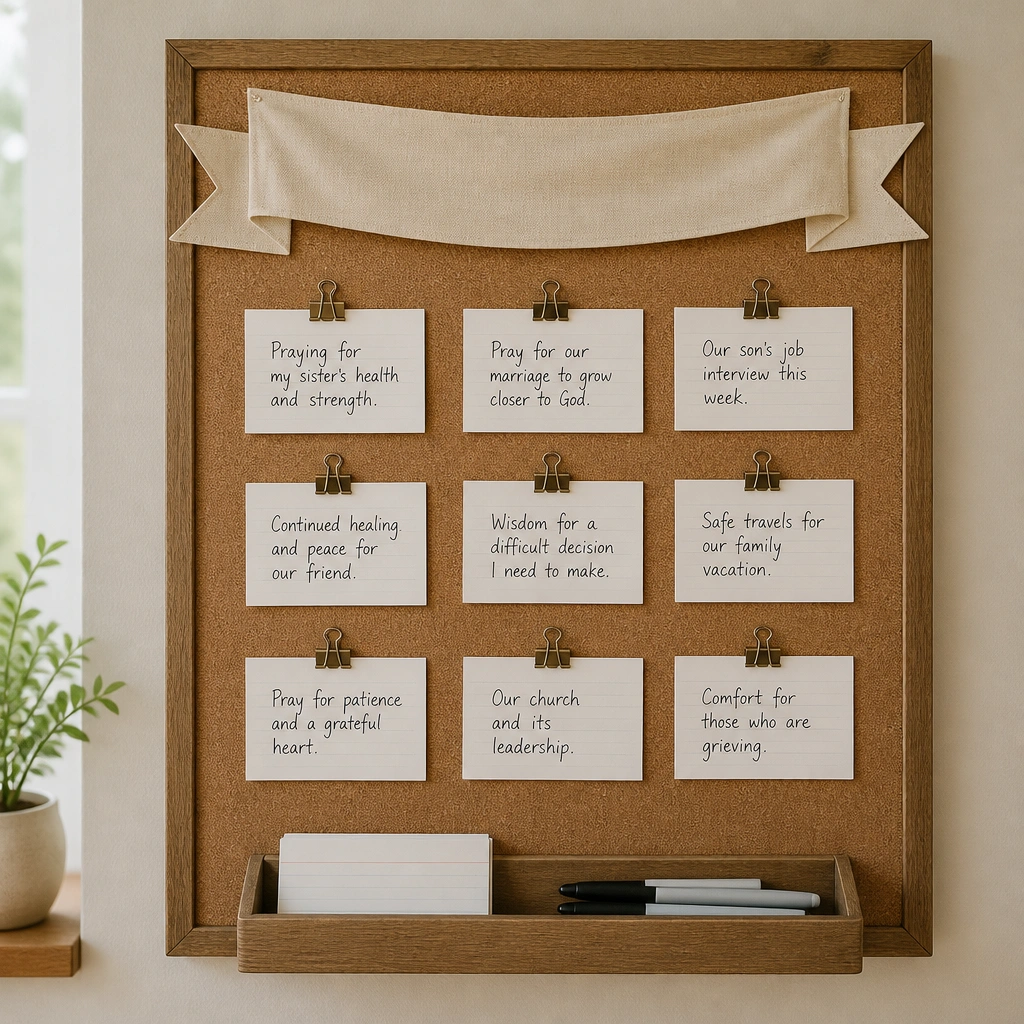
Cork is great for beginners because it naturally grips pins and clips. Use binder clips instead of pushing pins into paper — it’s faster for kids and reduces bent corners. Add a simple grid of sections so requests don’t pile up in one spot.
Good to knowLabel each section with a colored sticky tab (one color per family member or category) for quick sorting.
3. Magnetic Prayer Board on a Metal Baking Sheet
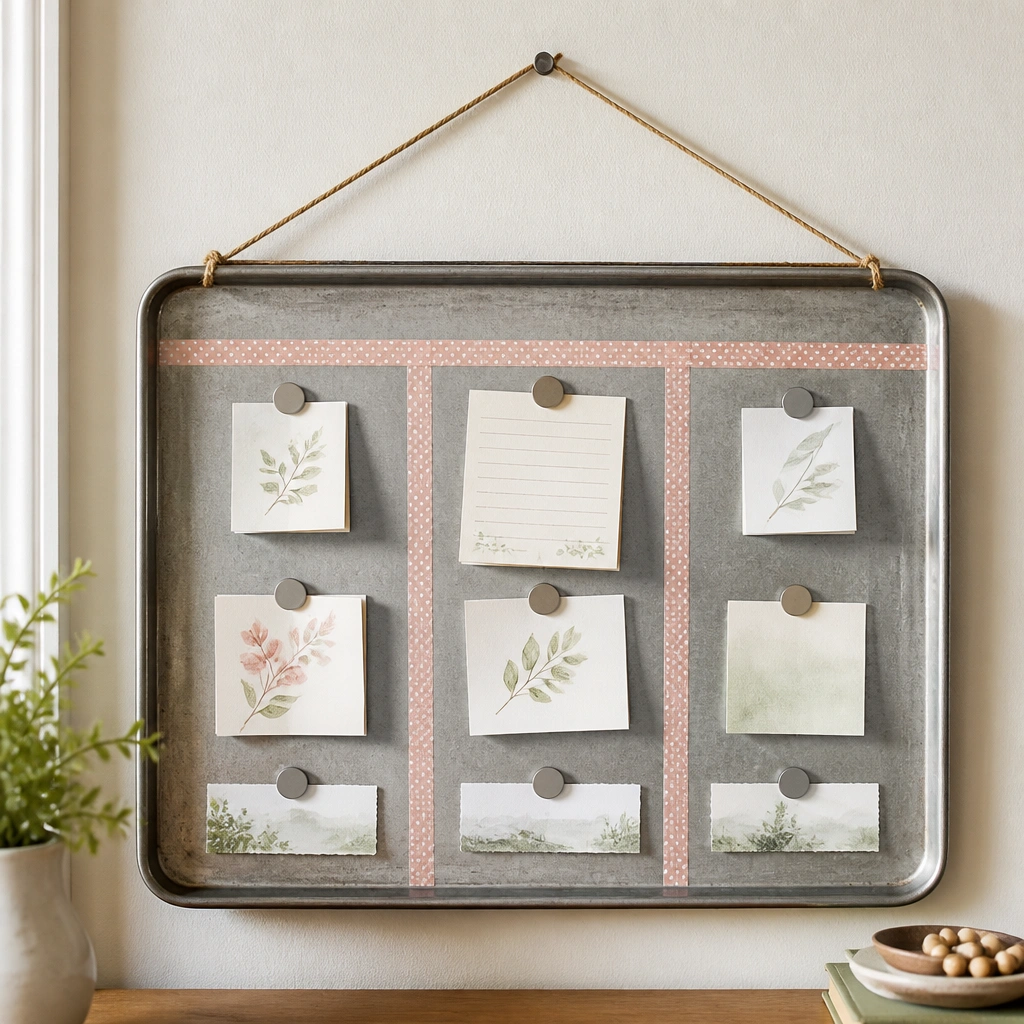
If you want easy prayer board ideas that feel modern, this one uses magnets on a baking sheet. It’s sturdy, flat, and perfect for quick changes — no pins, no glue, no mess. Fold prompts into thirds so they stand out when magnet-held.
Use strong craft magnets or magnet sheets — weak magnets slide when kids bump the board.
4. Fabric Prayer Board with Pockets for Requests
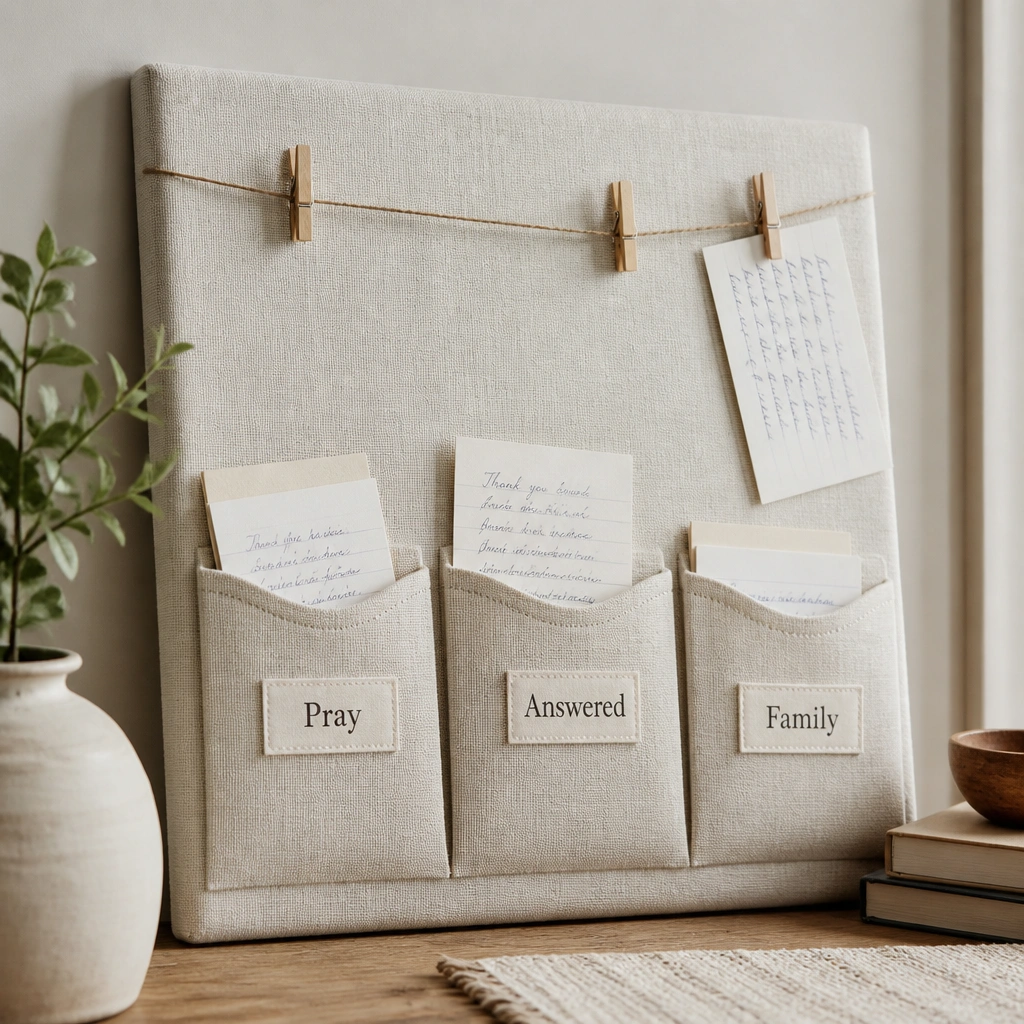
Fabric boards are cozy and kid-friendly because they don’t snag paper like cork can. Pockets keep requests contained, which is perfect for beginners who want less clutter. Use washable fabric pens or printed labels so the text stays readable.
Good to knowMake pockets slightly wider than your cards so children can slide papers in without bending them.
5. Pegboard Prayer Board with Color-Coded Hooks
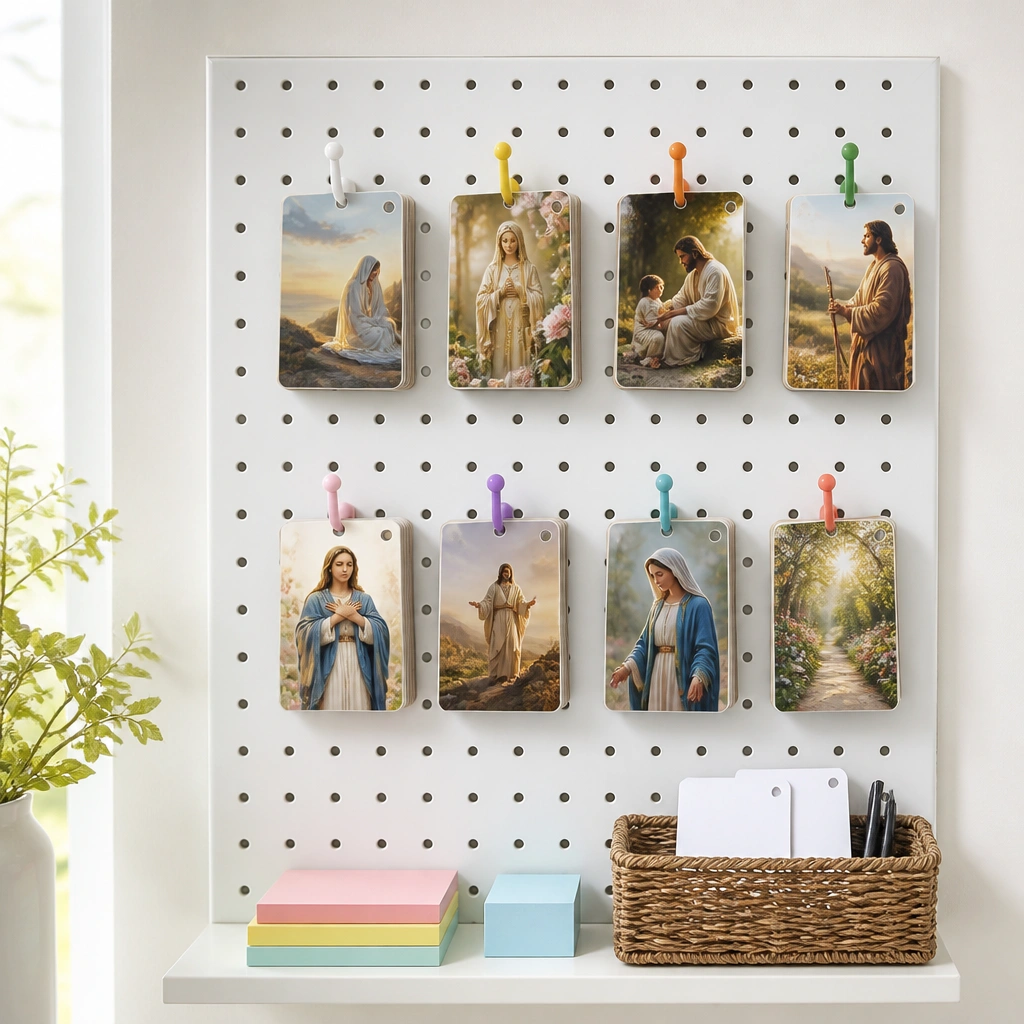
Pegboard is surprisingly beginner-friendly because it’s modular. Hooks let you reposition prompts weekly and keep cards off the surface. Color-coding by category (family, school, health, thanks) makes it easier for kids to choose where to place requests.
Good to knowLaminating cards prevents smudges from crayons and makes the board reusable year-round.
6. Laminated Scripture Strip Prayer Board
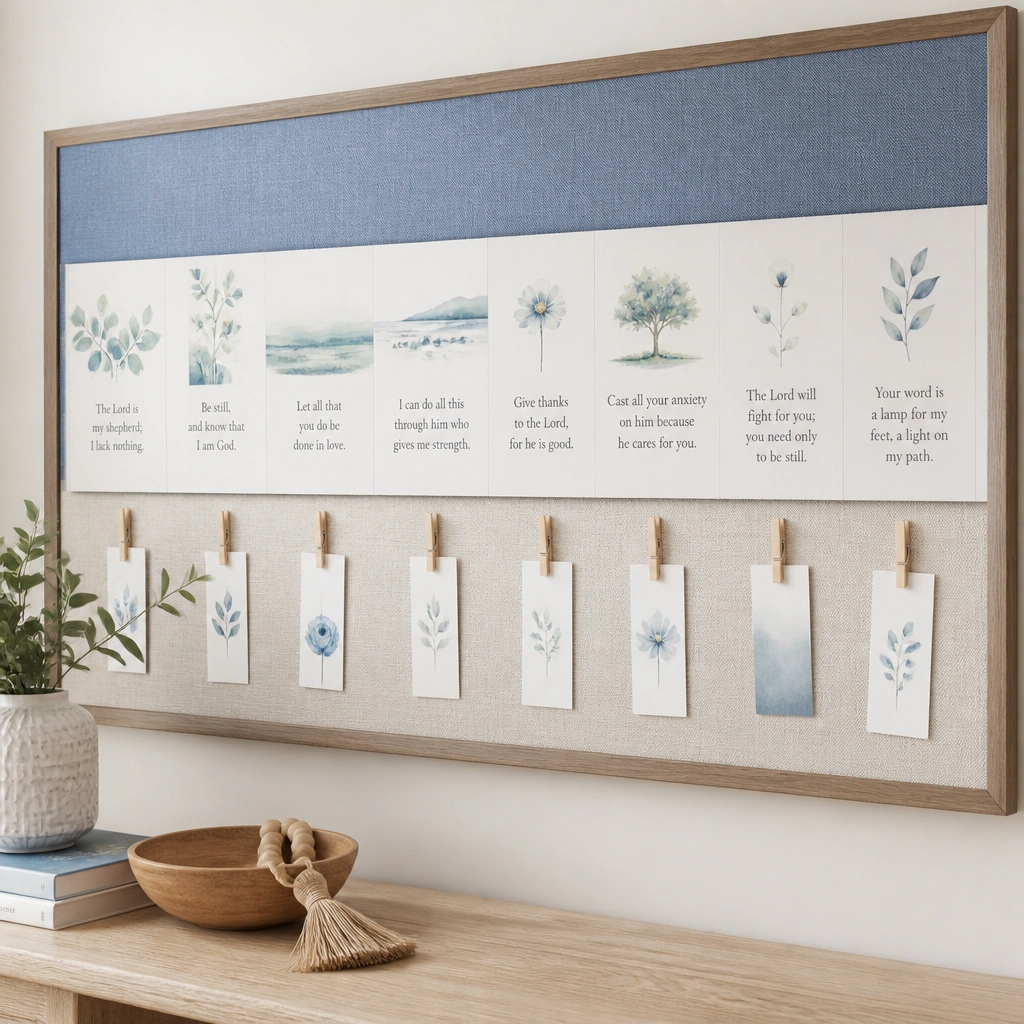
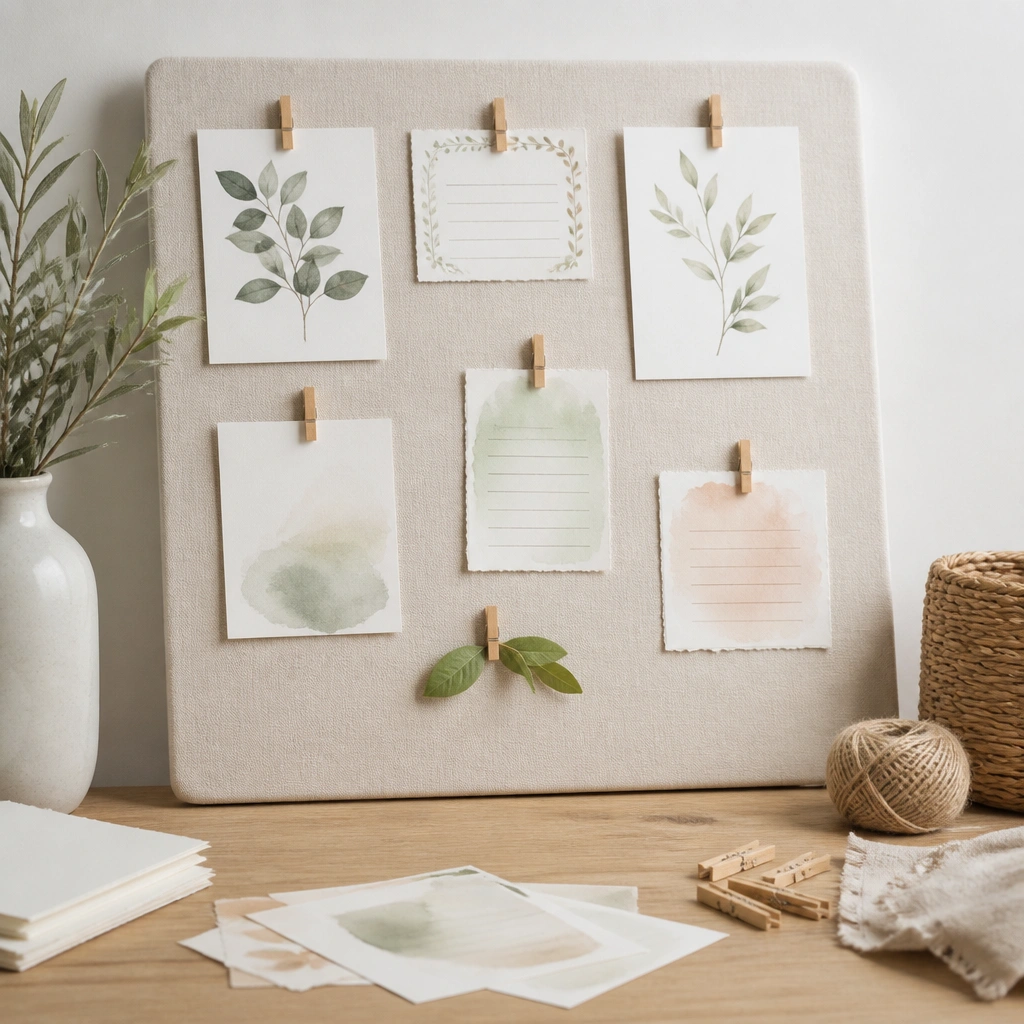
This idea focuses on consistency: one verse strip acts like an anchor for the week. Clothespins let kids hang a short response like “God, help me…” so the board grows with them. Laminating keeps everything wipeable, even if fingers get sticky.
Pick one verse per week and change only the clothespin strips — it keeps the project simple and repeatable.
7. Prayer Board on a Picture Frame with Twine Grid
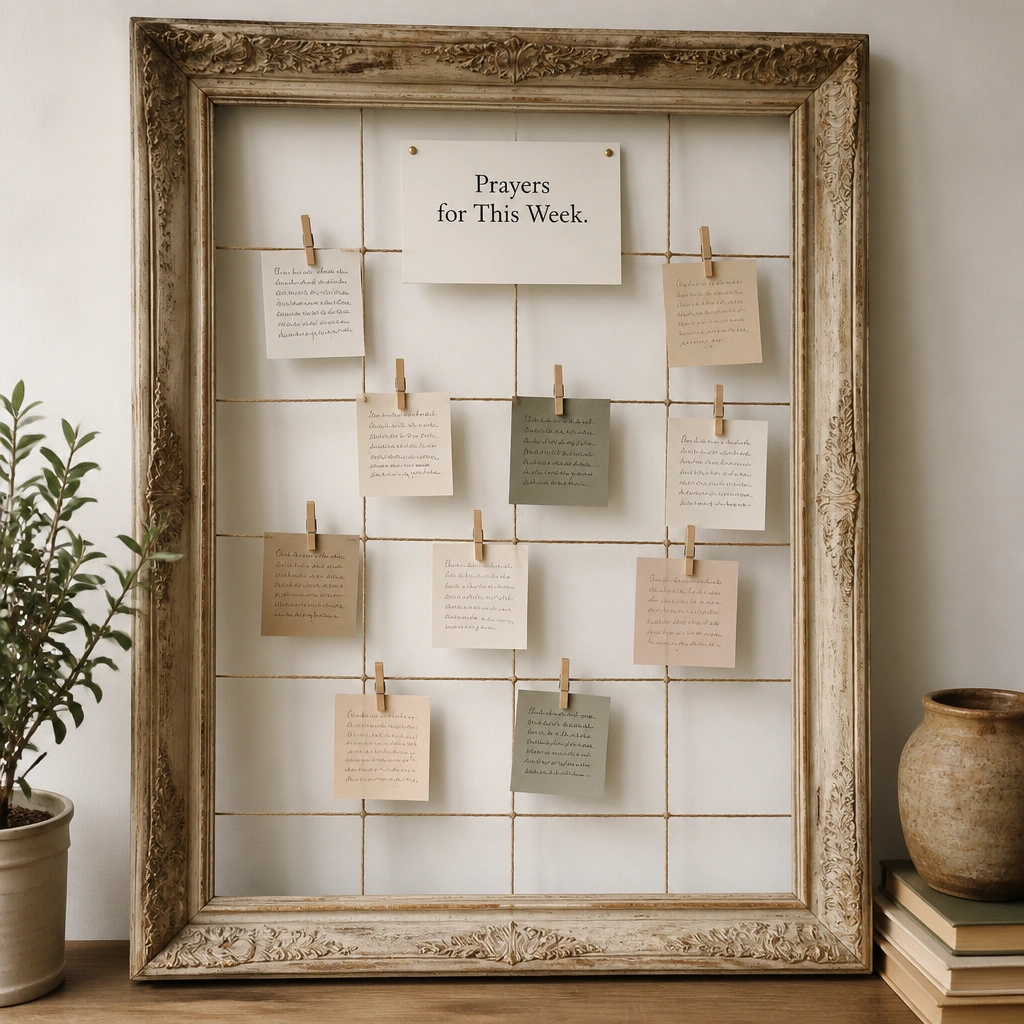
This is a budget-friendly twist on easy prayer board ideas because picture frames are easy to find and already look decorative. Twine grids create “lanes” for requests, so notes don’t slide together. It’s lightweight and works well for bedrooms and playrooms.
Use a hot glue gun to secure twine knots at the back corners for a cleaner, safer grid.
8. Reusable Sticker Prayer Prompts Board
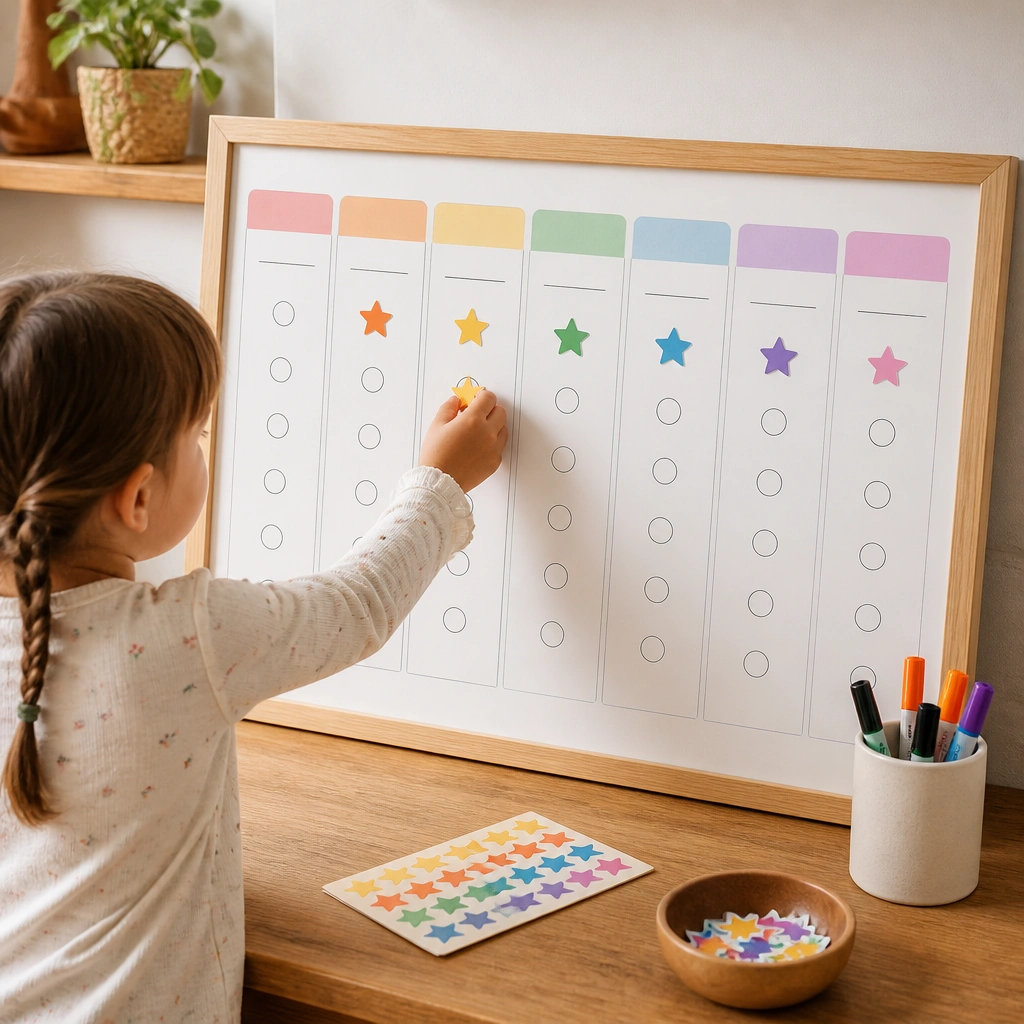
If you want minimal crafting, this board uses stickers and dry-erase marking. It’s ideal for beginners because it’s easy to update without cutting paper every day. Add simple icons (heart for family, star for gratitude, shield for protection) so kids can participate quickly.
Choose matte sticker stars so they don’t glare under indoor lighting and are easier to read.
9. Shadow Box Prayer Board for Small Treasures
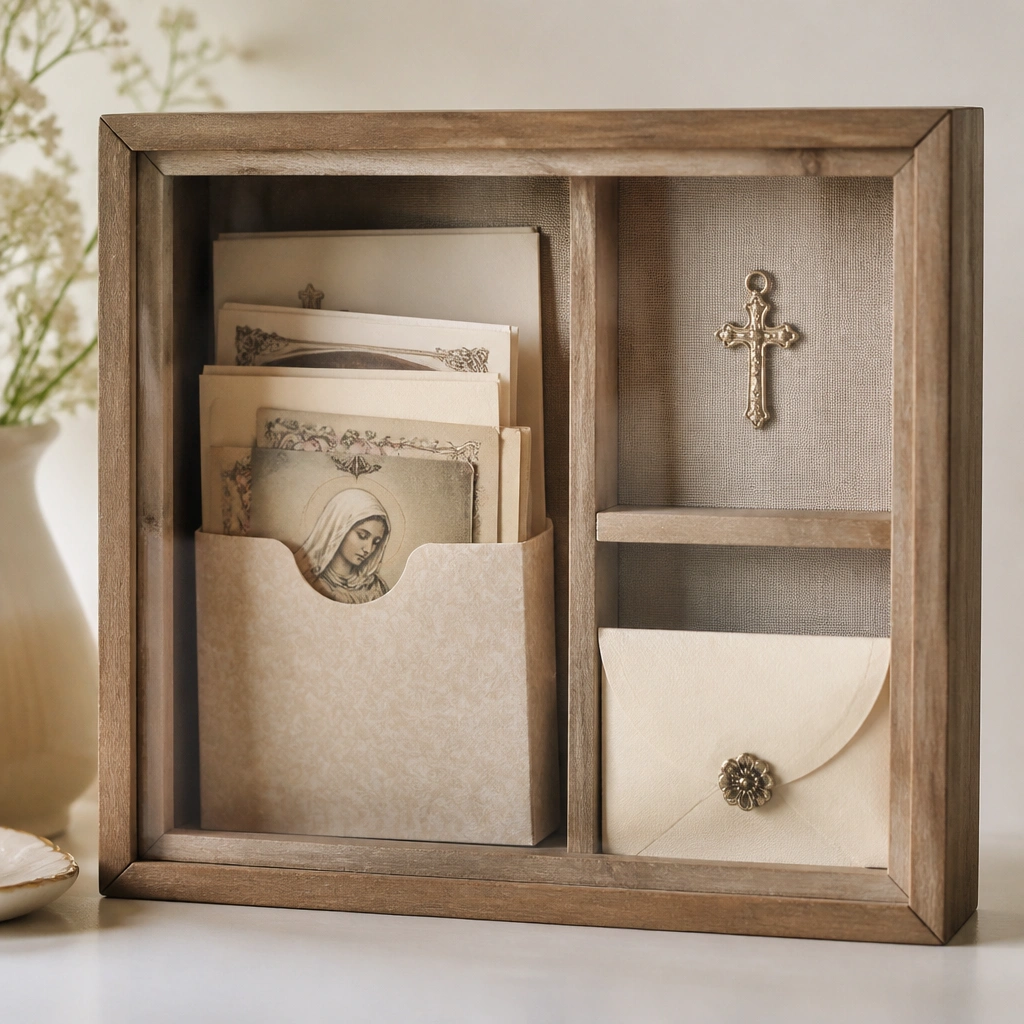
This idea is great for families who want a “keepsake feel” without complicated scrapbooking. The clear cover protects the inside from dust, and sections keep answered prayers separate from new requests. Use paper sleeves so cards can be swapped without re-gluing.
Good to knowWrite the date on the back of each answered prayer card so you can look back later.
10. Dry-Erase Prayer Board on Wood with Markers
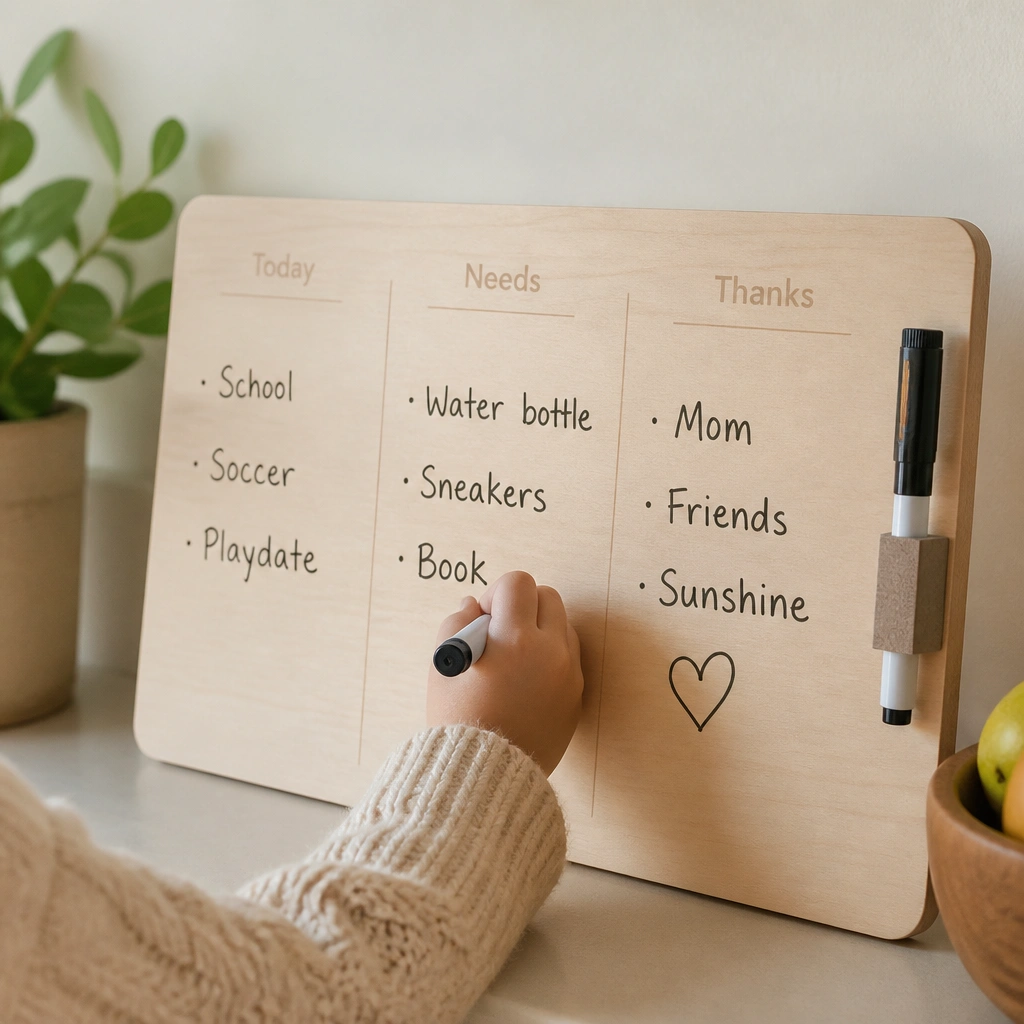
A dry-erase board is the fastest option for easy prayer board ideas when you want zero paper clutter. Wood looks warm and blends into home decor, especially with a light stain. Printed headings help kids know where to write without asking every time.
Good to knowUse a microfiber cloth for quick wipe-downs — it prevents marker streaks and keeps handwriting crisp.