




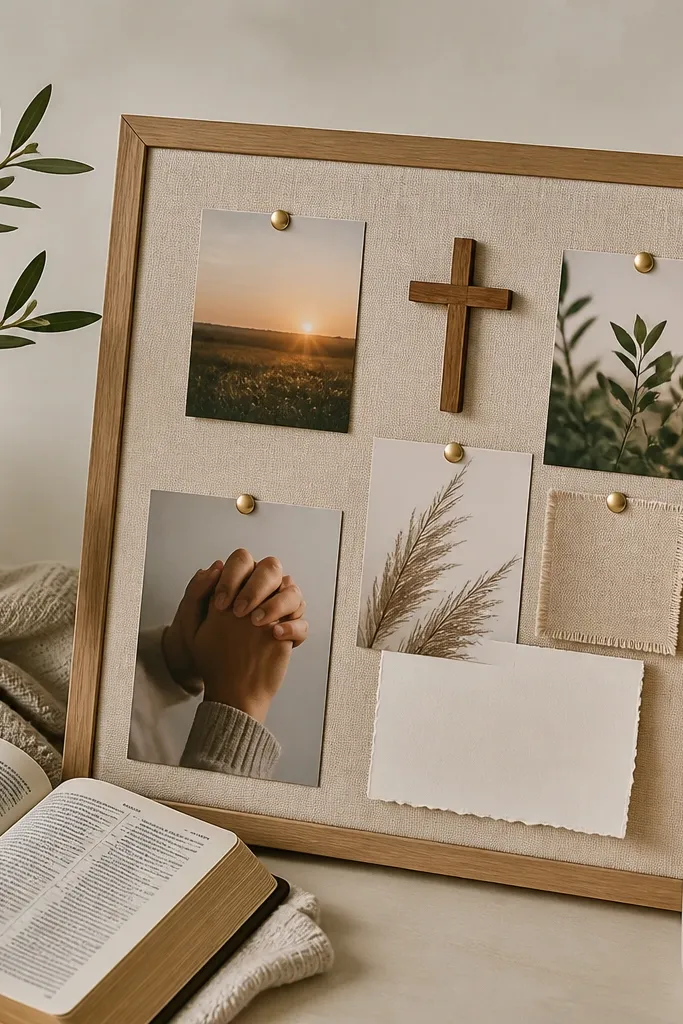
1. Dollar-Store Frame Prayer Board with Scripture Corners
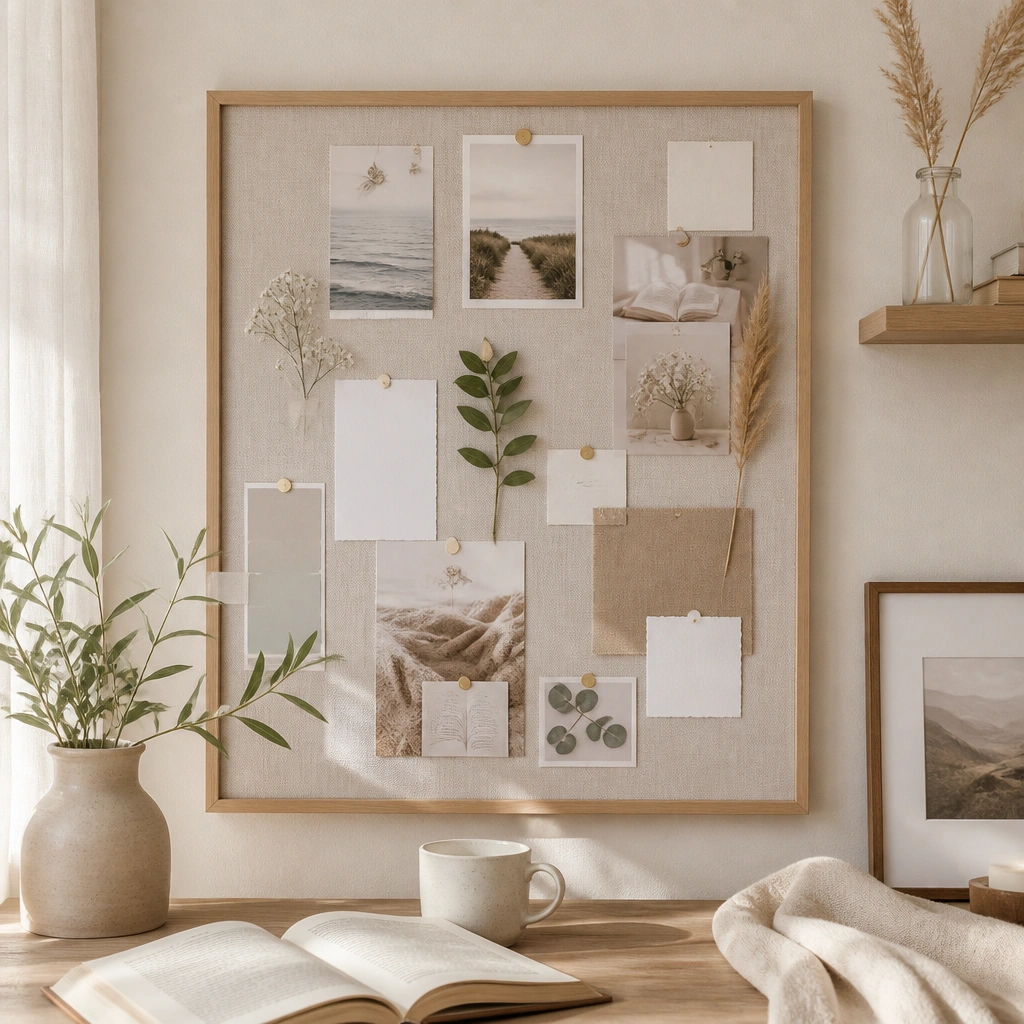
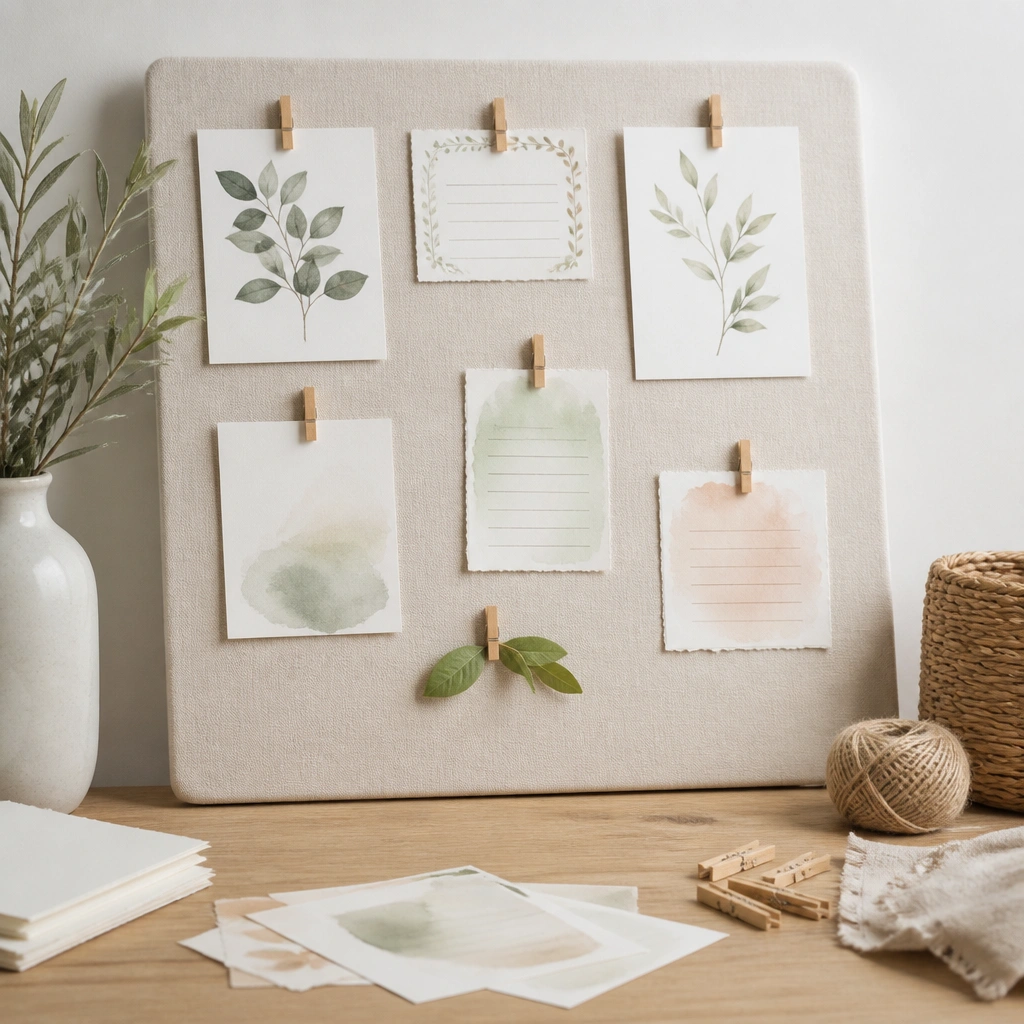
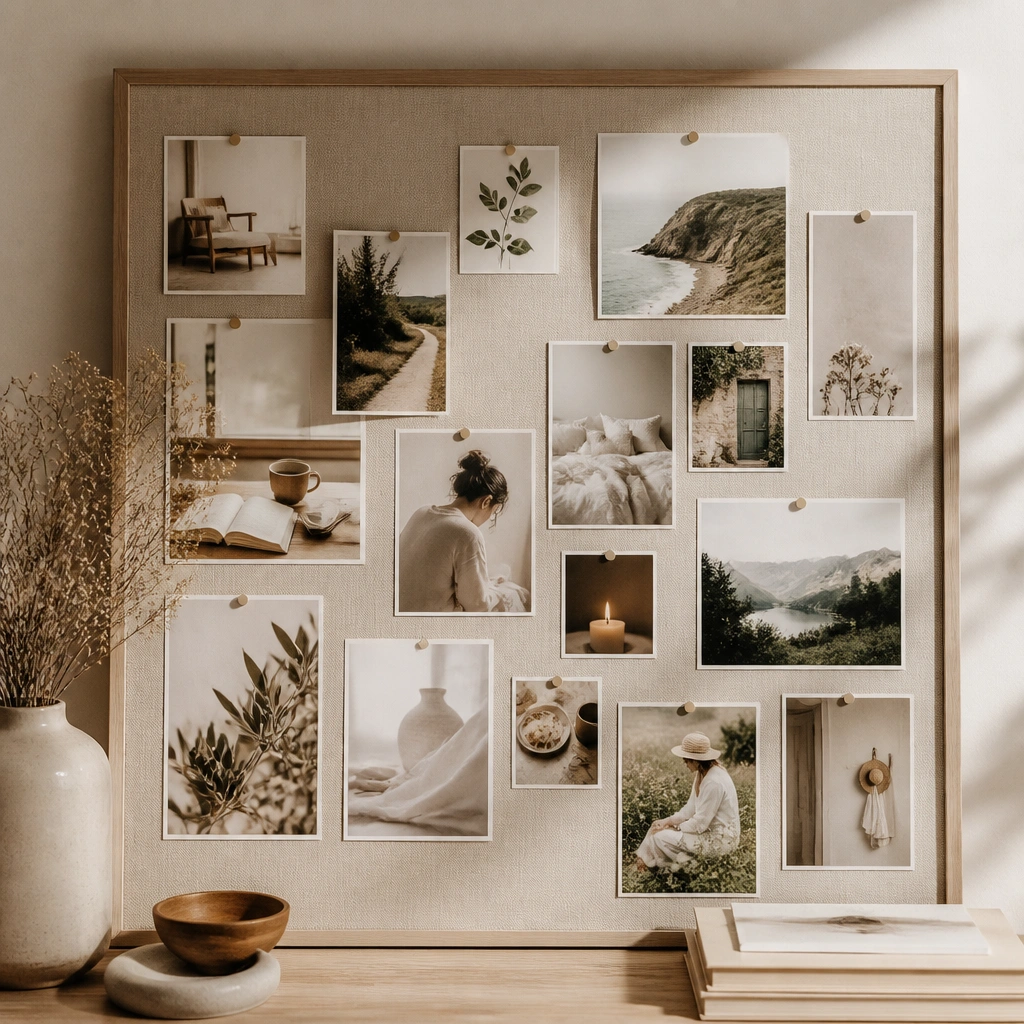
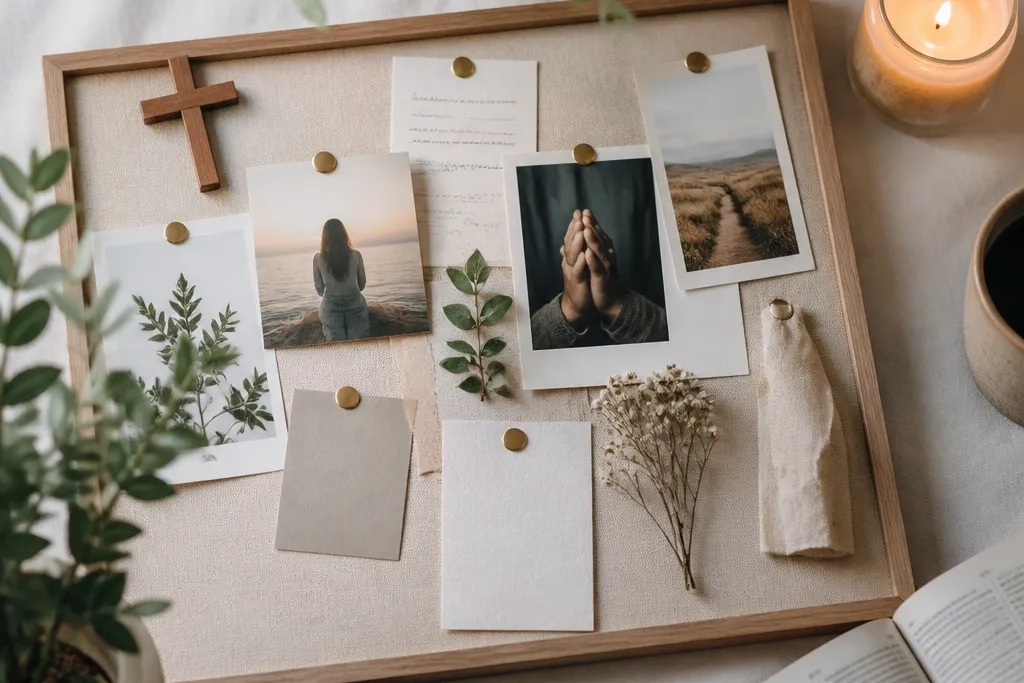
Use an inexpensive wood frame and linen or burlap stretched behind it. Add four corner pockets (felt squares folded into little envelopes) for short scripture snippets like Psalm 46:10, so the board reads like a gentle guide, not just a list. Clothespins in the center keep requests visible and easy to swap.
Good to knowWrite prayers on 2x3 inch cardstock tags, then clip them with clothespins so you can rotate new ones without rewriting everything.
2. Fabric Ribbon Grid Prayer Board (No-Cork Needed)
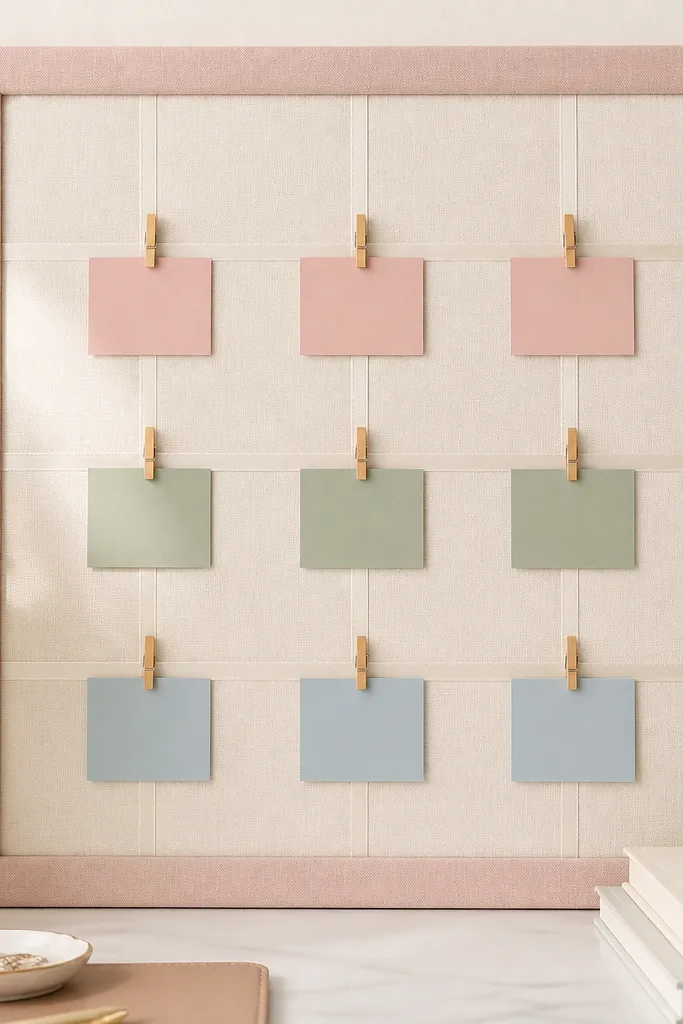
Instead of cork, cover a foam board or plywood with fabric and tack ribbons in a grid. The ribbon intersections become anchor points for clothespins, making it easy to categorize requests without bulky supplies. Color-coded cards keep it aesthetic and organized.
Good to knowUse 3 ribbon colors max (like sage, blush, and gold) so the board stays calm and cohesive.
3. Laminated Prayer Card Pocket Board for Kids
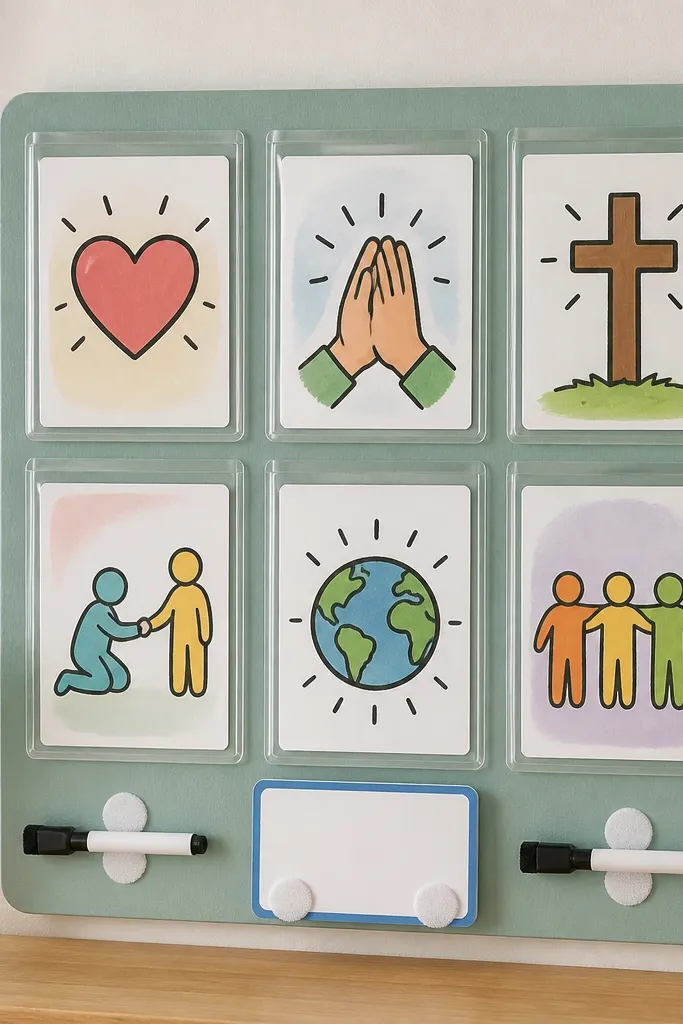
Laminate or use clear pocket sleeves so kids can handle the cards without bending or tearing. Put pockets in rows for “Me,” “My Family,” “Friends,” and “School.” Dry-erase or washable markers make daily updates simple, and laminated cards stay readable for months.
Choose 10-15 cards total and rotate them weekly, so your kids learn to pray with intention instead of seeing too many choices.
4. Washi Tape & Mini Pegs Prayer Board (Tiny Space Friendly)
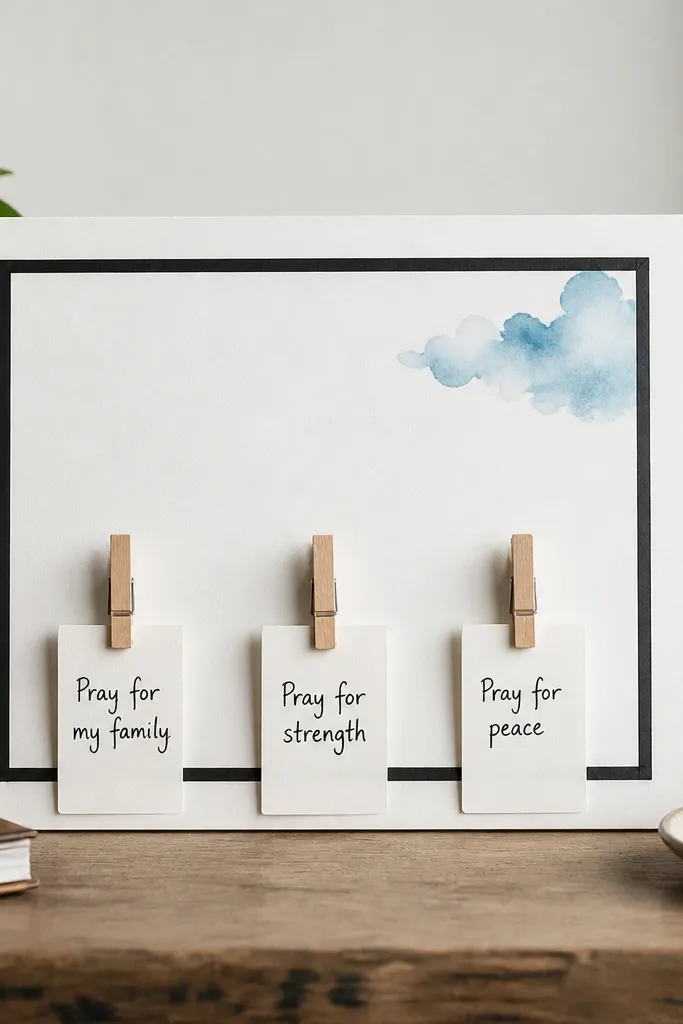
This is perfect for apartments or dorms. Use a small board, tape lines for structure, and mini pegs for hanging. Keep the design minimal: one verse at the top, three pegs for today’s focus (like “Gratitude,” “Help,” “Healing”).
Good to knowLimit it to three prayer tags at a time to reduce overwhelm and keep the board looking tidy.
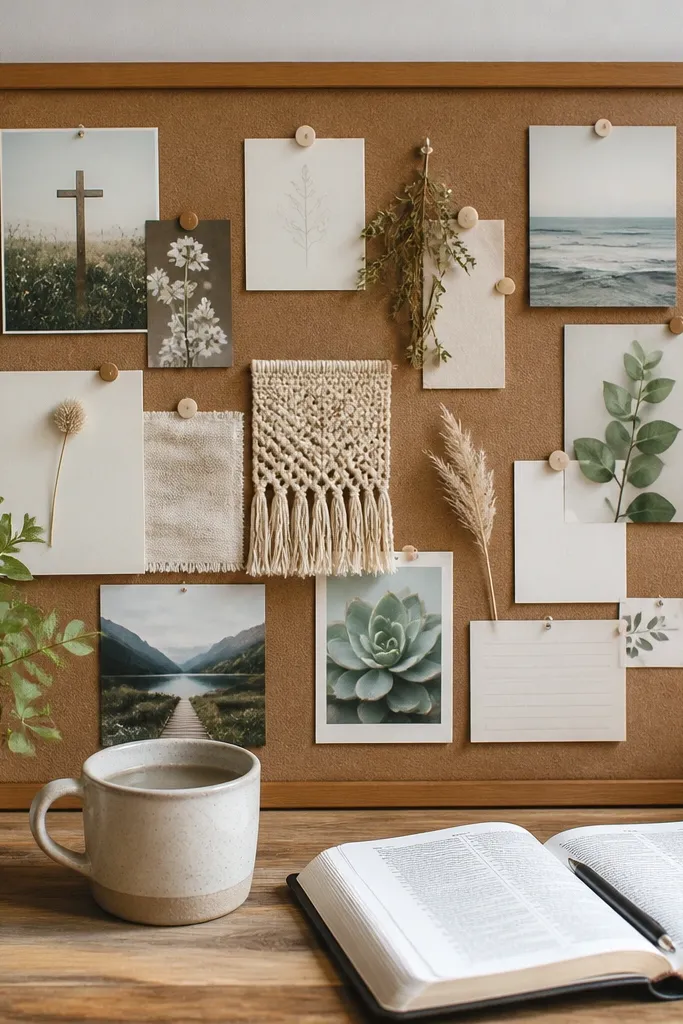
5. Corkboard Alternative: Felt + Button Prayer Board
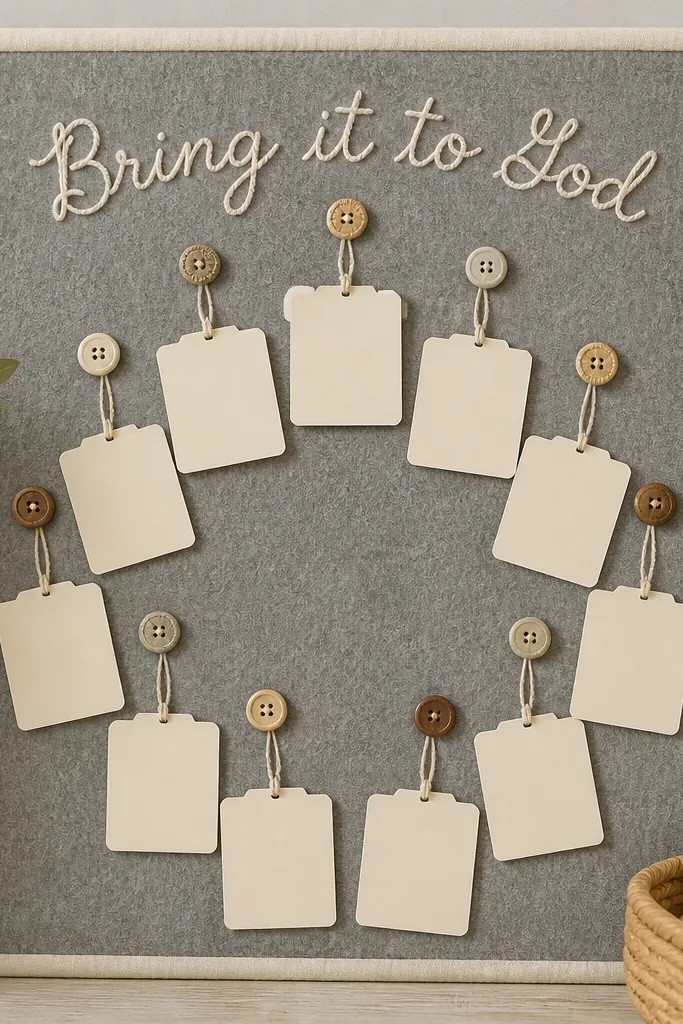
Felt is inexpensive and works like a cork board without the “pin mess.” Sew or glue buttons as anchor points, then tie prayer cards with thin twine or ribbon. The texture makes it feel cozy, and the button layout can be themed (like a circle around a central verse).
Good to knowUse self-adhesive felt squares if you don’t want to sew — press them onto a backing board for an instant fabric surface.
6. Gold Foil Verse + Photo Prayer Board (Family Focus)
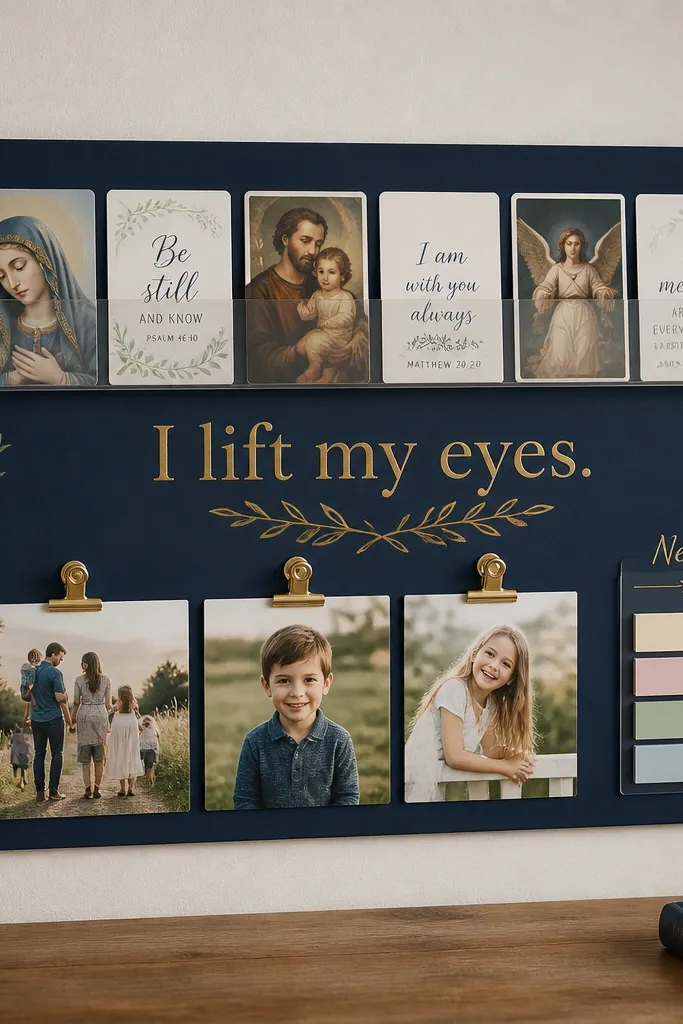
For an elevated look, paint or cover your board with navy or deep green and add gold accents. Use mini photo clips for family members, then attach prayers right next to them so you’re praying with faces, not just names. Clear acetate strips keep the cards glossy and consistent.
Good to knowPrint prayer prompts in a matching font size (3-5 prompts total) so the board looks designed, not crowded.
7. Accordion Prayer Board for Weekly Updates
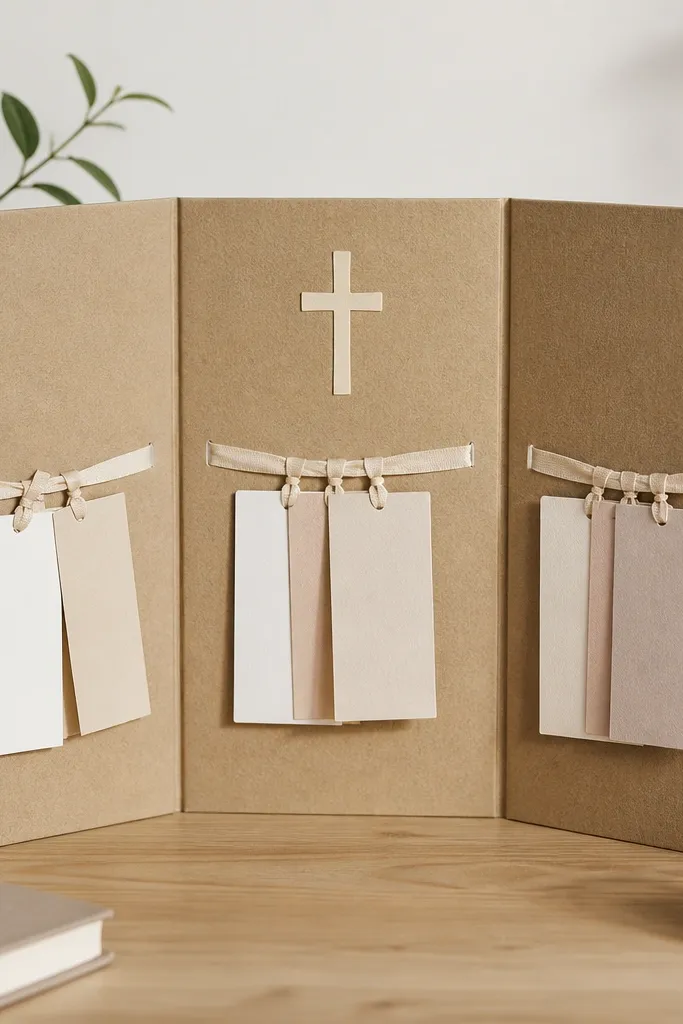
If your current prayer list feels messy, this layout solves it. Make accordion folds so each week has its own space, plus a dedicated “Answered Prayers” section. Tie cards with ribbon to keep them secure while still easy to open and swap.
Set a weekly day (Sunday evening works great) to move cards into “Answered” so the board becomes a testimony wall, not a dumping ground.
8. Magnetic Prayer Board with Color-Coded Categories
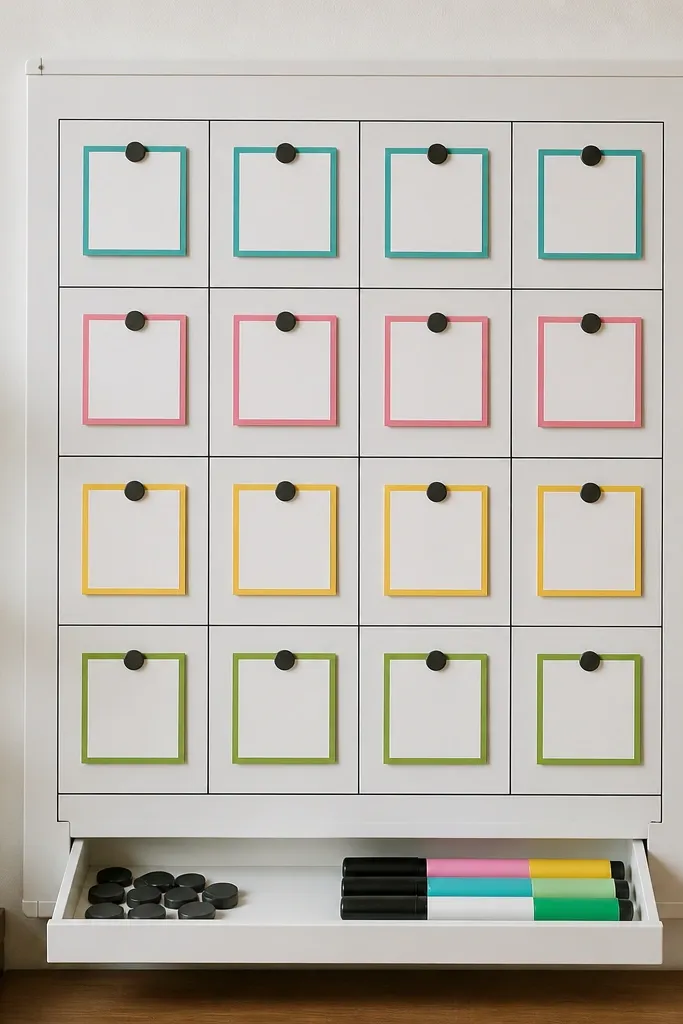
Magnetic boards are super easy to update, and they look clean when everything is aligned. Use a whiteboard panel or painted sheet, add a simple grid with paint marker, and attach magnets behind your prayer cards. Color coding makes it fast to find what you’re praying for.
Use small rare-earth magnets (or magnetic tape) and keep card sizes consistent so the board stays visually even.
9. Prayer Board with “Pray, Journal, Pray Again” Strips
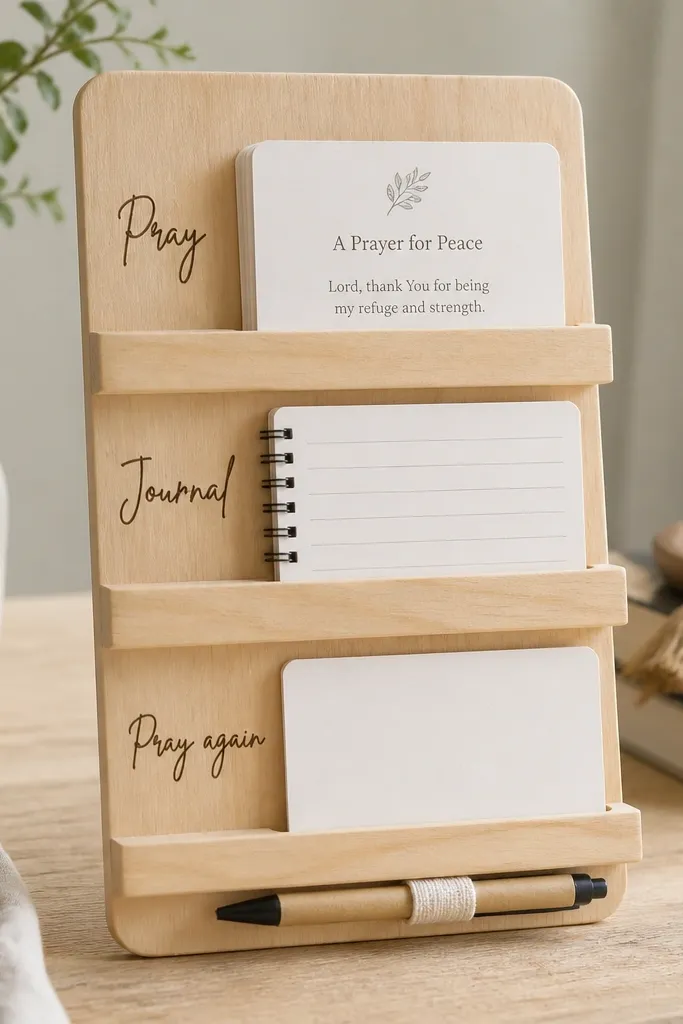
This setup guides your routine instead of just displaying requests. Keep “Pray” cards as short prompts, “Journal” strips as lined notes for what you felt or learned, and “Pray again” cards for the next step. The layered strips make it look intentional and aesthetic.
Write one sentence per day in the “Journal” strip — it’s enough to track growth without turning prayer into a project.